

Drug Emperor of Lebanon
Lebanon’s judiciary under fire as drug kingpin receives light sentence
Zaiter is reportedly implicated in nearly 1,000 legal cases, including charges of narcotics trafficking, armed robbery and attempts on the lives of military personnel.
Wednesday 04/02/2026
Drug Emperor of Lebanon
BEIRUT – The Lebanese judiciary is facing widespread public scrutiny after a court issued a seemingly lenient sentence for Nouh Zaiter, one of the country’s most notorious drug traffickers. The Permanent Military Court handed Zaiter a one-month prison term on four minor offences, along with the confiscation of military-grade weapons and radio equipment linked to him. The ruling simultaneously acquitted him on three other cases due to insufficient evidence and dismissed 33 files on the grounds of statutes of limitation.
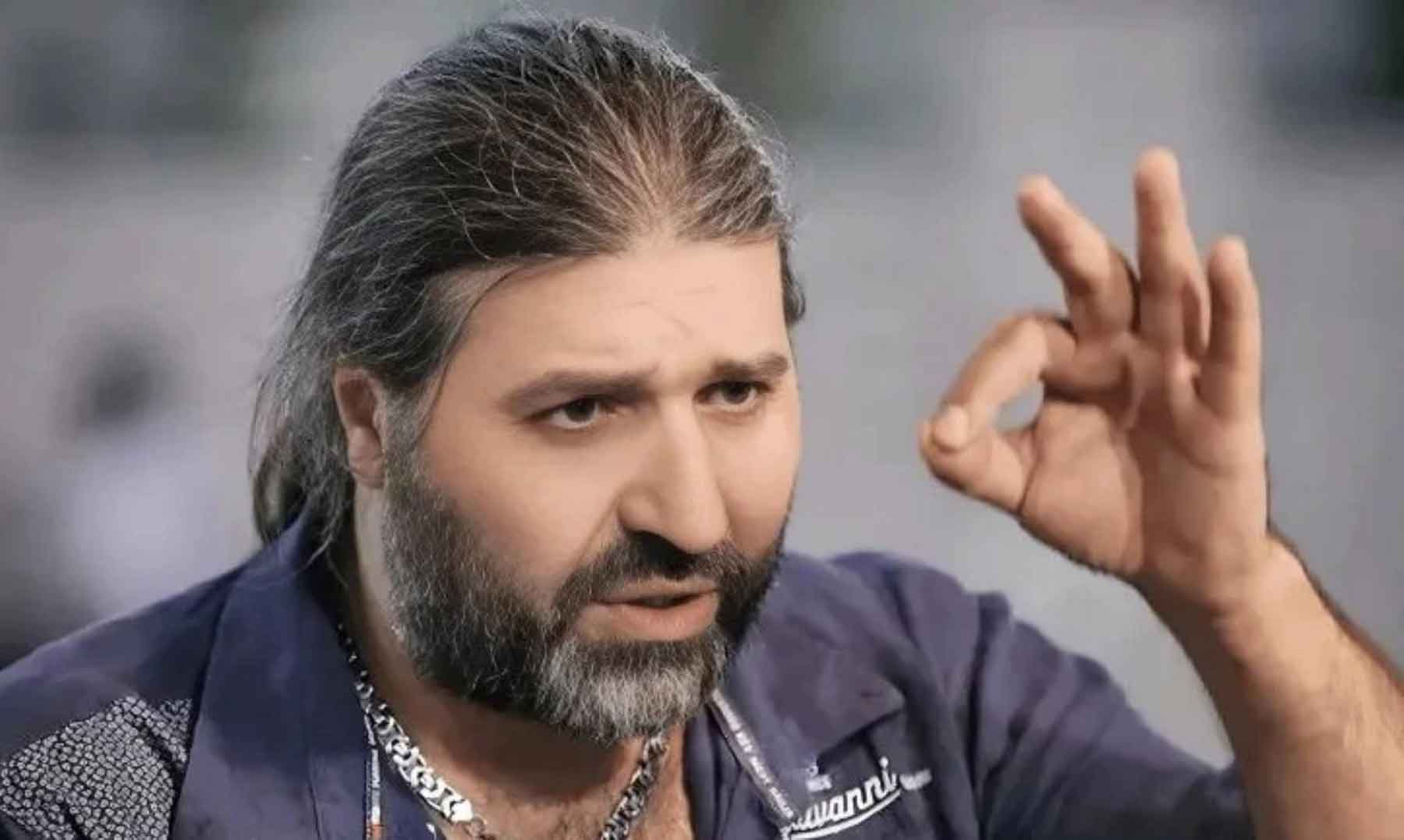
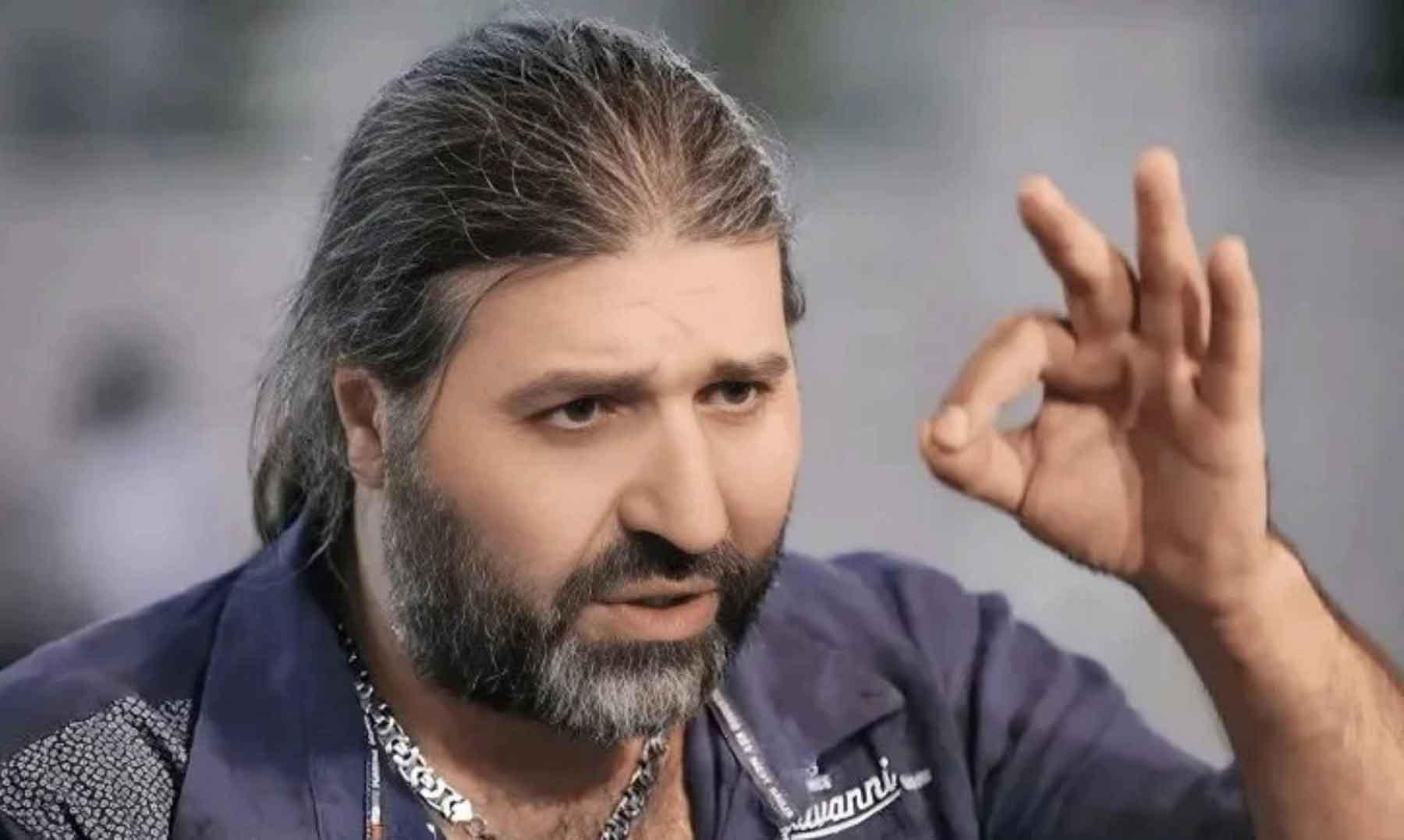
Zaiter, often referred to as the “Drug Emperor” of Lebanon, is reportedly implicated in nearly 1,000 legal cases, including charges of narcotics trafficking, armed robbery and attempts on the lives of military personnel. His perceived lenient treatment has sparked a storm of outrage on social media, with users alternating between ridicule, anger and dismay. Many observers argued that the ruling undermines the credibility of both Lebanon’s judicial and military institutions.
The Zaiter trial is set to continue on May 5, when the court will address allegations related to drug trafficking, attempted murder of soldiers and firearms offences. Last November, Zaiter was apprehended in Baalbek, eastern Lebanon, in a high-security operation described by the Lebanese Army as targeting one of the country’s most dangerous individuals. The army characterised him as the leader of organised criminal gangs involved in large-scale narcotics trafficking, weapons smuggling, production of illegal substances and violent robbery across multiple Lebanese regions.
Despite these serious accusations, the military court’s recent decision sparked widespread criticism. Many commentators highlighted how legal mechanisms such as the statute of limitations had allowed charges to lapse, questioning why prosecutors had not actively pursued high-risk cases to prevent the dismissal of serious offences. Legal analysts suggested that such delays reflect systemic inefficiencies within Lebanon’s judicial and prosecutorial systems.
Zaiter, a native of Kneisseh in Baalbek district, has long been associated with cross-border drug and arms smuggling in the Bekaa Valley. He has faced numerous warrants and multiple life sentences in absentia, including a military court ruling in 2021. His legal representation claims that more than 150 life sentences and roughly 1,000 arrest warrants exist against him, while denying allegations regarding arms trafficking and connections to Hezbollah, stressing that these claims require further verification.
The case has reignited broader debates about the Lebanese judiciary’s credibility, particularly regarding high-profile figures. Social media users compared the Zaiter case to other politically-charged trials, such as that of the singer Fadel Chaker, highlighting concerns over selective justice, delays in prosecutions and perceived political influence in judicial decisions.
Beyond Lebanon’s borders, Zaiter has been subject to multiple international sanctions, including from the United States, United Kingdom and European Union, for alleged involvement in drug trafficking networks linked to Hezbollah and Syrian authorities. Over the years, images and videos surfaced of Zaiter alongside armed groups in Syria, fuelling speculation that he maintained his own private security force and deep connections with regional power brokers.
The court’s decision also granted Zaiter limited privileges while in detention, including a temporary visit with his family and a request for relocation from the detention facility under the Information Division at Roumieh prison, pending further review.
Public reaction to the ruling underscores persistent frustrations in Lebanon over institutional corruption, ineffective law enforcement, and perceived impunity for high-profile criminals. Many critics argue that leniency in such cases not only threatens public confidence in the rule of law but also risks emboldening criminal networks that operate with transnational connections, including links to organised groups in Syria.
With the trial continuing in May, all eyes will remain on Lebanon’s judiciary to see whether the remaining charges against Zaiter will be pursued rigorously, or whether the legal system will once again face criticism for failing to bring a notorious figure to full accountability.