

Iran called external transfer "off the table"
Russia says uranium proposal for Iran is still on the table
Foreign Ministry spokeswoman says Russia once offered to export Iran's enriched uranium reserves to its territory, but only Iranians have the right to dispose of them.
Wednesday 04/02/2026
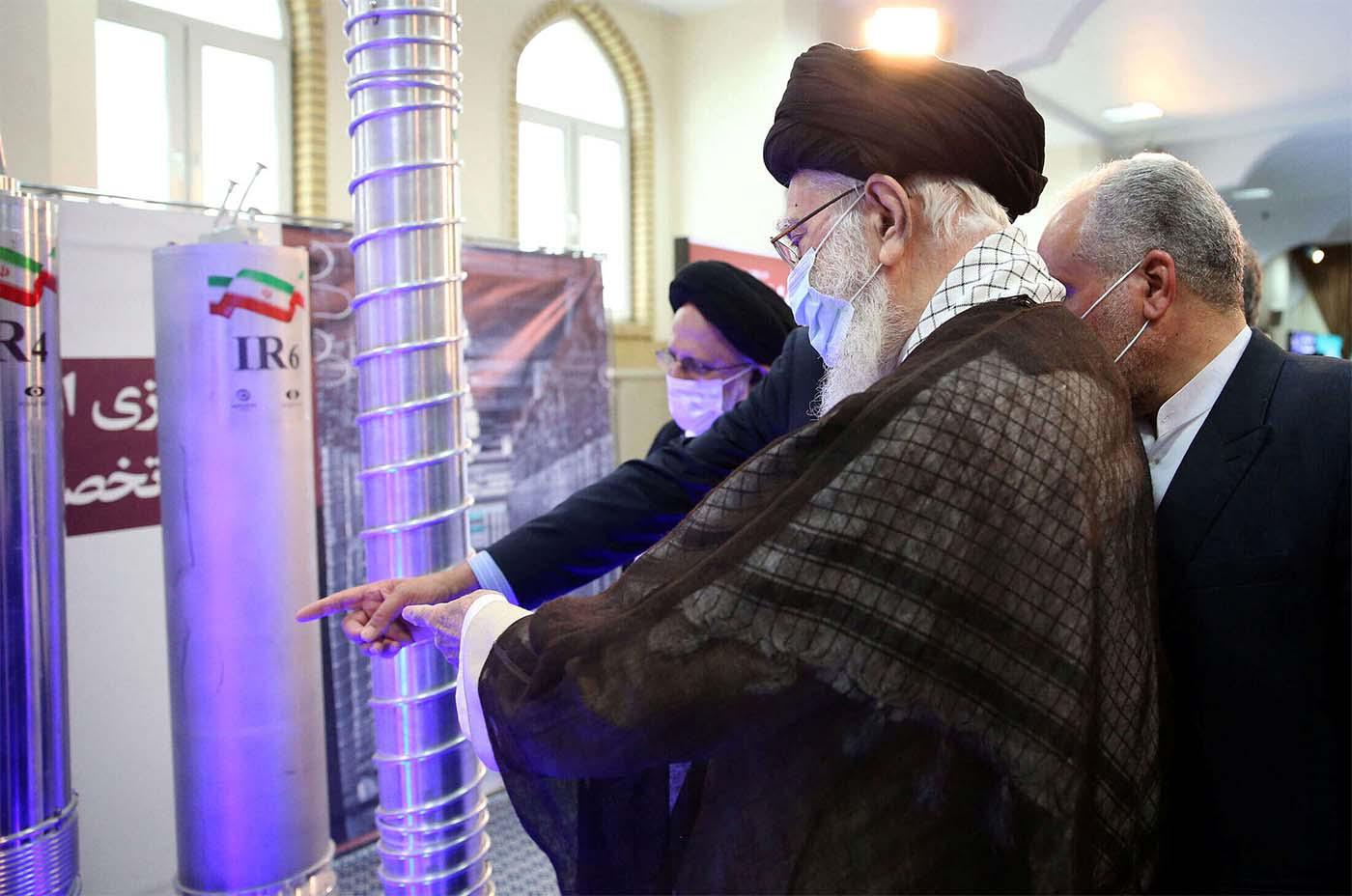
Iran called external transfer "off the table"
MOSCOW - Russia's foreign ministry said on Wednesday that a proposal to remove uranium from Iran as part of a deal to ease US concerns was still on the table, but that it was for Tehran to decide whether or not to remove it.
"Russia once offered to export Iran's enriched uranium reserves to its territory. This initiative is still on the table," Foreign Ministry spokeswoman Maria Zakharova told reporters.
"Only Iranians have the right to dispose of them, including deciding whether to export them outside the territory of Iran and, in case of a positive decision, where to export them to or not," she said.
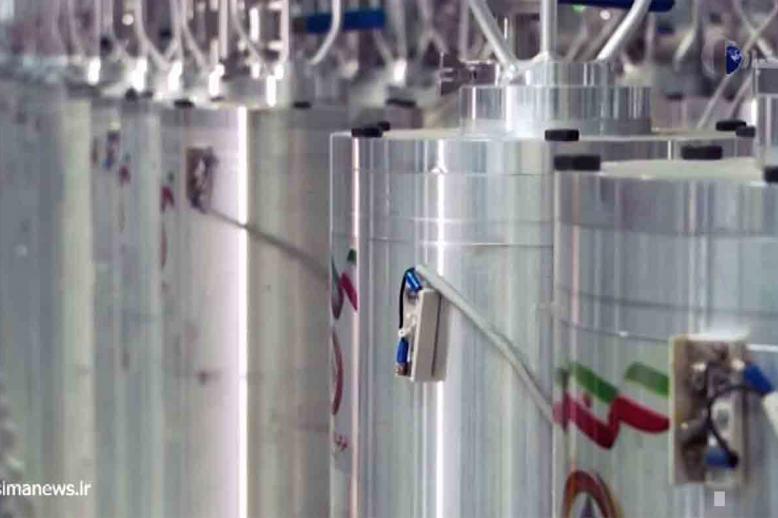
The proposal, which Moscow has revived in recent weeks, envisions Russia taking custody of Iran's surplus enriched uranium—particularly stocks enriched to higher levels, such as around 60% purity—and potentially processing or storing it. This move is framed by Russian officials as a practical way to address concerns from the United States and other parties about Iran's nuclear activities, reducing what the Kremlin has called "irritants" in the standoff.
The offer echoes elements of the 2015 Joint Comprehensive Plan of Action (JCPOA), under which Russia previously accepted and stored portions of Iran's enriched uranium in exchange for natural uranium supplies to support Tehran's civilian nuclear program. Kremlin spokesman Dmitry Peskov reiterated earlier this month that the topic has "been on the agenda for a long time," with Russia positioning itself as a mediator willing to facilitate de-escalation between Washington and Tehran.
This comes at a delicate moment in US-Iran relations.
The Trump administration has signaled a preference for diplomacy over military action but has maintained firm demands, including the permanent halt of uranium enrichment in Iran, constraints on ballistic missiles, and an end to support for regional proxies. Iran, for its part, has rejected what it describes as ultimatums and insisted its program is peaceful.
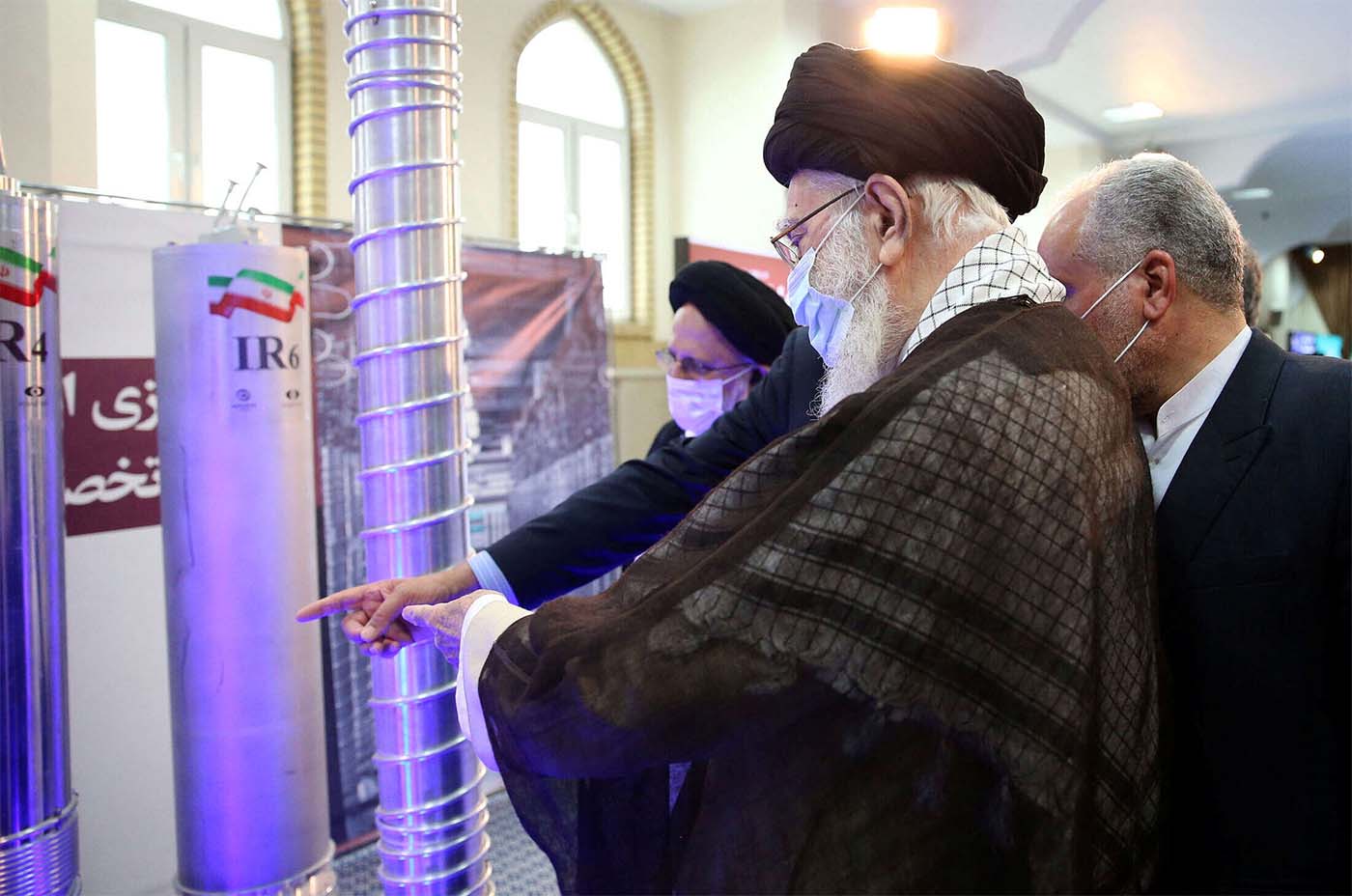
Senior adviser to Supreme Leader Ayatollah Ali Khamenei, Ali Shamkhani, recently dismissed the need to transfer enriched uranium abroad, arguing there is "no reason" for such a step and that Tehran could reduce enrichment levels domestically if needed.
Despite Iran's public resistance—Shamkhani called external transfer "off the table" in early February—some reports suggest internal discussions within Tehran have explored flexibility on the uranium issue as a way to ease immediate pressures, including threats of US or Israeli strikes. Diplomatic channels remain active, with indirect talks reportedly planned and regional players involved in mediation efforts.
Russia's renewed emphasis on the proposal underscores Moscow's strategic interests in the Middle East. As a key partner to Iran—through civilian nuclear cooperation, including ongoing work at Bushehr and plans for additional reactors—Russia seeks to play a constructive role in any potential deal. By offering to handle excess material, Moscow could help bridge gaps in negotiations while reinforcing its influence in global non-proliferation efforts.