


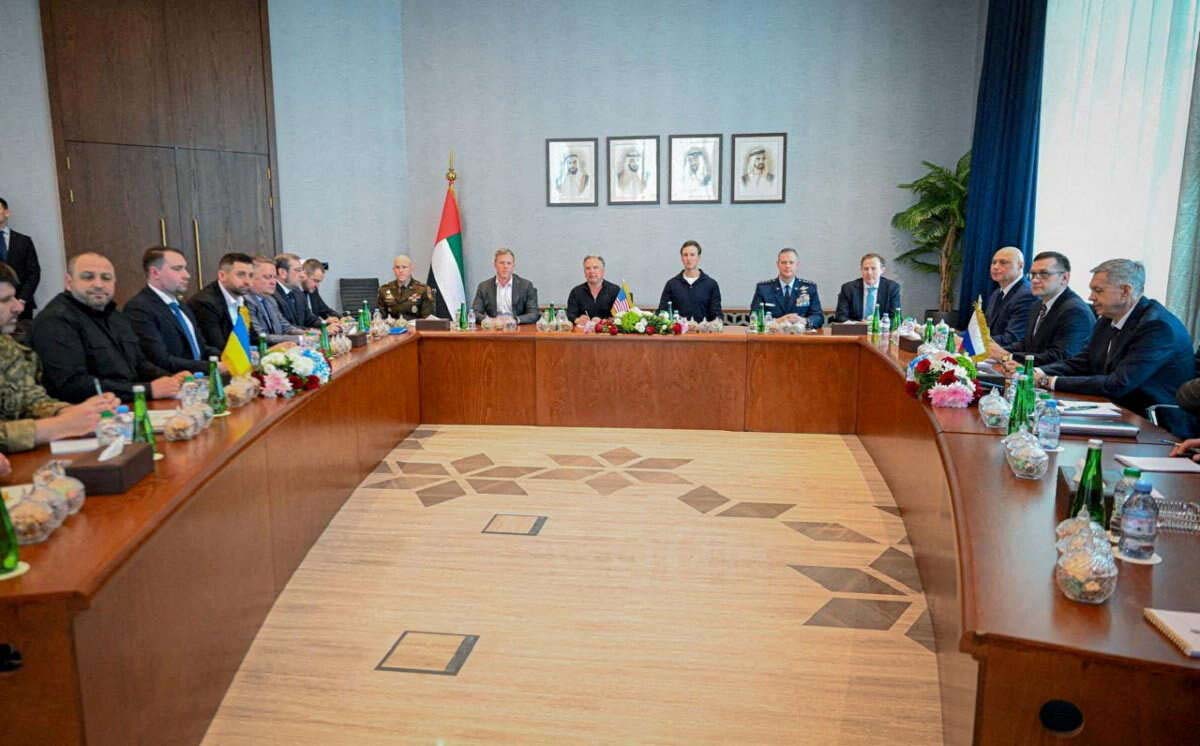
The choice of Abu Dhabi as a venue highlights the UAE's role as a neutral host facilitating dialogue
Ukraine describes Abu Dhabi talks with Russia as 'substantive and productive'
Secretary of Ukraine's National Security and Defence Council says the trilateral discussions centered on tangible progress rather than broad declarations.
Thursday 05/02/2026
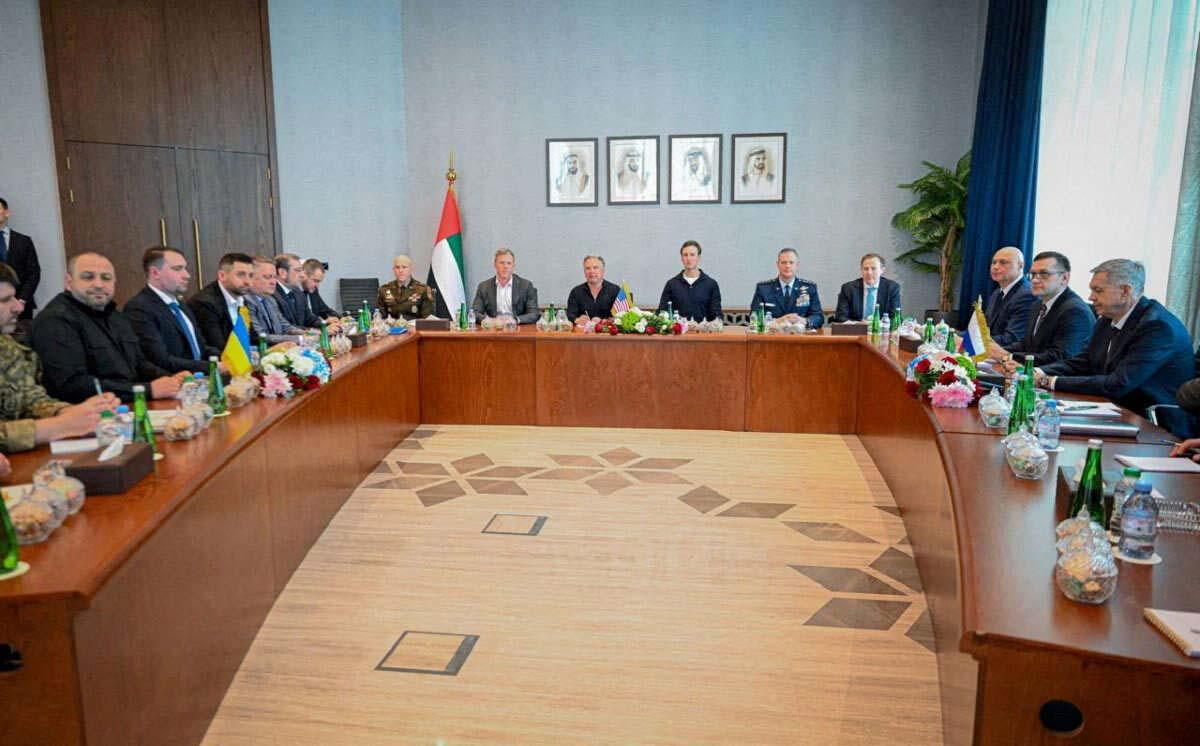
The choice of Abu Dhabi as a venue highlights the UAE's role as a neutral host facilitating dialogue
ABU DHABI - Ukrainian officials characterized the first day of renewed trilateral peace negotiations with Russia - mediated by the United States - in Abu Dhabi as "substantive and productive."
The talks, which resumed on Wednesday in the United Arab Emirates, represent the second round of this format following an initial session last month.
Rustem Umerov, Secretary of Ukraine's National Security and Defence Council and Kyiv's lead negotiator, shared the positive evaluation on social media platforms including X.
"The work was substantive and productive, focused on concrete steps and practical solutions," Umerov stated.
He emphasized that discussions centered on tangible progress rather than broad declarations, though no specific breakthroughs were publicly detailed at the close of the day's sessions.
The negotiations involve delegations from Ukraine, Russia, and the United States, with participation from high-level figures on the American side, including US Special Envoy Steve Witkoff, former advisor Jared Kushner, Secretary of the Army Dan Driscoll, and military representatives such as General Alexus Grynkewich.
A US official, speaking anonymously, echoed the assessment, describing the exchanges as productive and confirming that talks would continue into a second day on February 5.
Ukrainian President Volodymyr Zelenskyy addressed the developments in his nightly video address, stressing the importance of achieving genuine peace rather than providing Russia with opportunities to regroup and prolong the conflict.
He expressed hope that the current round could soon facilitate another prisoner-of-war exchange, building on previous swaps that have repatriated hundreds of Ukrainian personnel. Zelenskyy also called for continued pressure from Ukraine's international partners on Moscow to ensure meaningful concessions.
The talks occur against a backdrop of intensified Russian military actions. In the days leading up to and during the negotiations, Russia launched large-scale attacks on Ukraine's energy infrastructure, leaving parts of the country—including the capital Kyiv—without power amid winter conditions.
Reports also emerged of a Russian strike using cluster munitions on a market in Druzhkivka, eastern Ukraine, resulting in civilian casualties. These developments underscored the challenges facing diplomats, as fighting continues unabated on the ground despite diplomatic engagement.
The core issues dividing the parties remain deeply entrenched. Russia has consistently demanded that any settlement include Ukraine's recognition of its annexation of Crimea and control over occupied territories in Donetsk, Luhansk, Zaporizhzhia, and Kherson regions—demands Kyiv has firmly rejected as unacceptable violations of sovereignty.
Discussions have reportedly touched on territorial questions, the status of the Zaporizhzhia nuclear plant, and potential postwar security arrangements for Ukraine, including any role for Western guarantees or forces.
Despite the optimistic tone from the Ukrainian side, analysts note that significant gaps persist.
US Secretary of State Marco Rubio has indicated that negotiations hinge on particularly difficult matters, with little public detail expected until a genuine breakthrough emerges.
Russian officials, including Foreign Ministry spokespeople, have reiterated their hardline positions, rejecting any postwar Western military presence in Ukraine and insisting on addressing Moscow's stated "root causes" of the conflict—often interpreted as demands for NATO rollback, Ukrainian demilitarization, and political changes in Kyiv.
The choice of Abu Dhabi as a venue highlights the UAE's role as a neutral host facilitating dialogue in a region increasingly involved in global mediation efforts.
The trilateral format, initiated under the current US administration, marks a shift toward direct engagement between the three parties, though previous rounds of diplomacy have yet to yield a comprehensive ceasefire or lasting agreement.