

Caught between a rock and a hard place
US delivers new warning to Iraq over Maliki, threatens punitive measures
Maliki’s return to the premiership could trigger severe consequences, including a complete suspension of US assistance and a broader reassessment of political and economic support.
Friday 06/02/2026
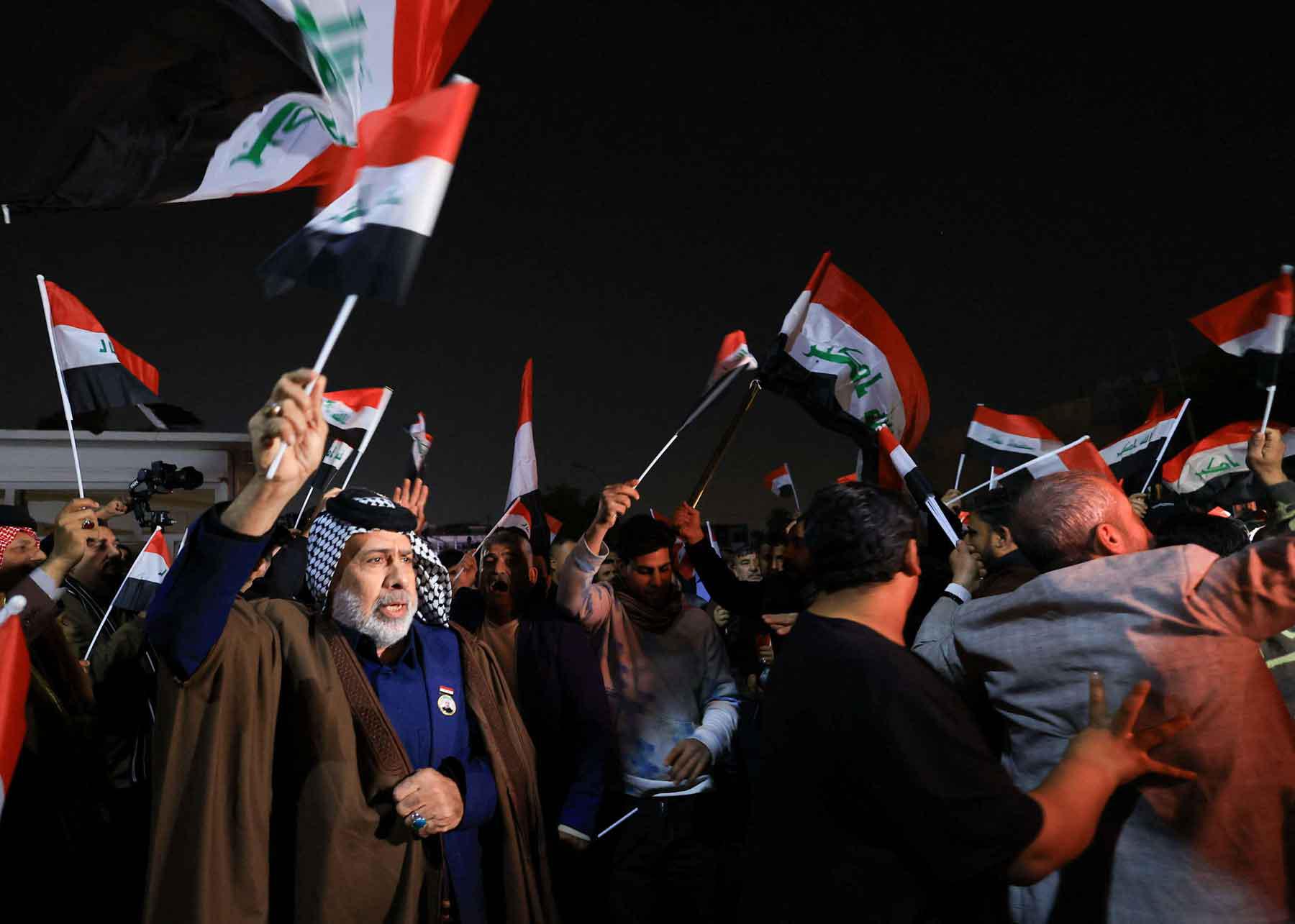
Caught between a rock and a hard place
BAGHDAD – The United States threatened again to impose sweeping political and economic pressure on Iraq if powerful Shia factions proceed with nominating former prime minister Nouri al-Maliki to lead the next government, signalling an unusually forceful American intervention in Baghdad’s political transition.
The US State Department said Washington would not remain passive in the face of what it described as a potential return to failed governing models, warning Iraqi leaders that the formation of the next government would directly shape the future of bilateral relations.
A State Department spokesperson told the Kurdish Iraqi outlet Shafaq News that the current phase requires Iraqi leadership capable of building a “practical and stable partnership” with the United States, cautioning that any political trajectory that undermines this objective would be met with firm responses.
The spokesperson said US messages to Iraqi leaders had been explicit, rejecting any attempt to reproduce political arrangements that, in Washington’s view, contributed to deteriorating living conditions and widespread political and security instability. The warning echoed remarks attributed to President Donald Trump, who described Maliki’s previous tenure as a period that marked a dangerous decline for Iraq, stressing that allowing a repeat of that experience would constitute a strategic mistake.
According to the US position, Maliki’s return to the premiership could trigger severe consequences, including a complete suspension of American assistance and a broader reassessment of political and economic support. Washington warned that losing such backing could expose Iraq to serious challenges, undermining its prospects for stability, economic recovery, and political independence.
The State Department stressed that the warnings reflected official policy rather than media rhetoric, backed by a readiness to use various tools of pressure to influence the government formation process. The spokesperson said US officials had communicated these concerns directly to Iraqi political actors and would act to prevent any outcome perceived as threatening shared interests or Iraq’s stability.
Maliki, who leads the State of Law coalition, has called on Iraqi leaders to resist what he described as American interference while signalling openness to cooperation with Washington. His recent remarks suggesting he could withdraw his candidacy under certain conditions, including agreement within the Coordination Framework alliance, have fuelled speculation about possible compromises.
The Coordination Framework, Iraq’s most influential Shia political bloc, formally nominated Maliki for prime minister on January 24 following parliamentary elections held in November 2025. The alliance plays a decisive role in selecting the prime minister and shaping the government.
However, Maliki’s nomination has drawn sharp domestic and international criticism, with political rivals warning of severe economic and diplomatic repercussions.
Mohammed al-Halbousi, leader of the Taqaddum party and former speaker of parliament, issued a stark warning that Iraq could face economic instability and international isolation if Maliki returns to power.
“We have a previous experience under Mr Maliki’s leadership, and it was bitter for all Iraqis,” Halbousi said in an interview with Dijlah TV. “We lived through displacement, destruction, and the loss of a third of Iraq’s territory.”
He urged Shia political factions to nominate a figure capable of commanding broad national acceptance, warning against selecting a leader who could deepen internal divisions and strain international partnerships.
Halbousi also revealed what he described as firm Western and American messages opposing Maliki’s return, saying Washington’s current policy leaves little room for ambiguity. “The messages were clear: protect Iraq’s stability, safeguard Iraqi-American relations and avoid returning to failed experiences,” he said.
He warned that Iraq’s economic stability could be directly affected, noting the country’s reliance on oil revenues and financial reserves held in the United States.
“Let us be realistic,” Halbousi said. “Our oil revenues and funds are in the Federal Reserve in New York. If a government is formed that Washington considers hostile, restrictions on dollar access could tighten, and the state would struggle to pay salaries or manage the economy.”
He added that choosing Maliki could expose Iraq to economic hardship until it manages to rebuild its international relationships.
Analysts say the escalating warnings reflect a broader geopolitical struggle over Iraq’s future alignment, with Washington seeking to maintain influence and prevent a shift toward figures perceived as closer to Tehran.
Observers also view Halbousi’s remarks as a turning point in Iraq’s political debate, transforming behind-the-scenes manoeuvring into a stark public confrontation. His warnings effectively present Iraq’s ruling alliance with a stark choice: proceed with Maliki’s nomination and risk financial and diplomatic fallout, or reconsider in order to preserve international support and economic stability.
As negotiations continue, Iraq’s government formation process has become entangled in regional rivalries and global strategic calculations, underscoring the fragile balance between domestic political sovereignty and external economic dependence.