

Senator Lindsey Graham: Hezbollah has American blood on its hands
US senator ends talks with Lebanon’s army chief over Hezbollah stance
Graham warned that positions such as those expressed by Haykal raise serious doubts in Washington about the reliability of Lebanon’s military establishment as a partner.
Friday 06/02/2026
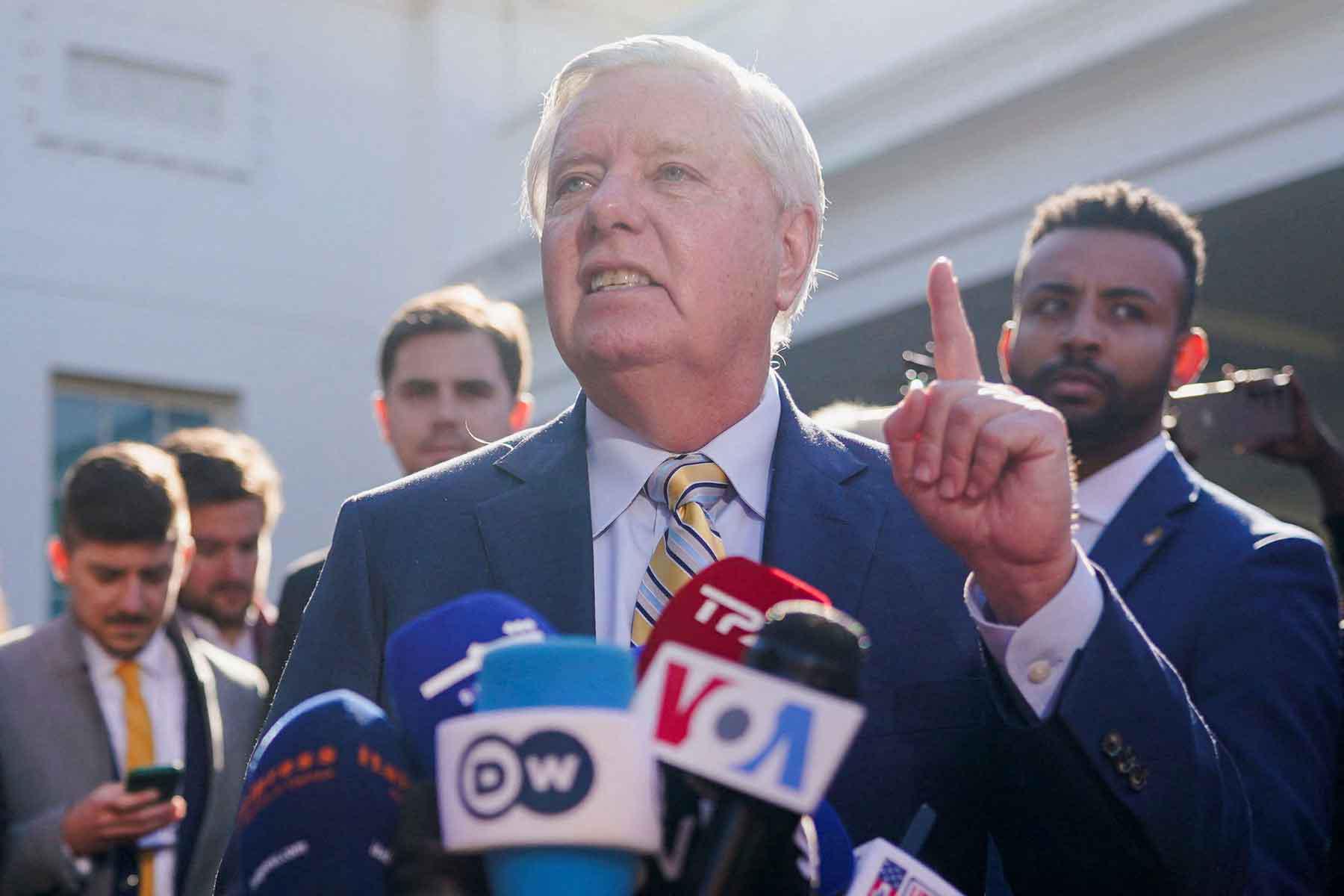
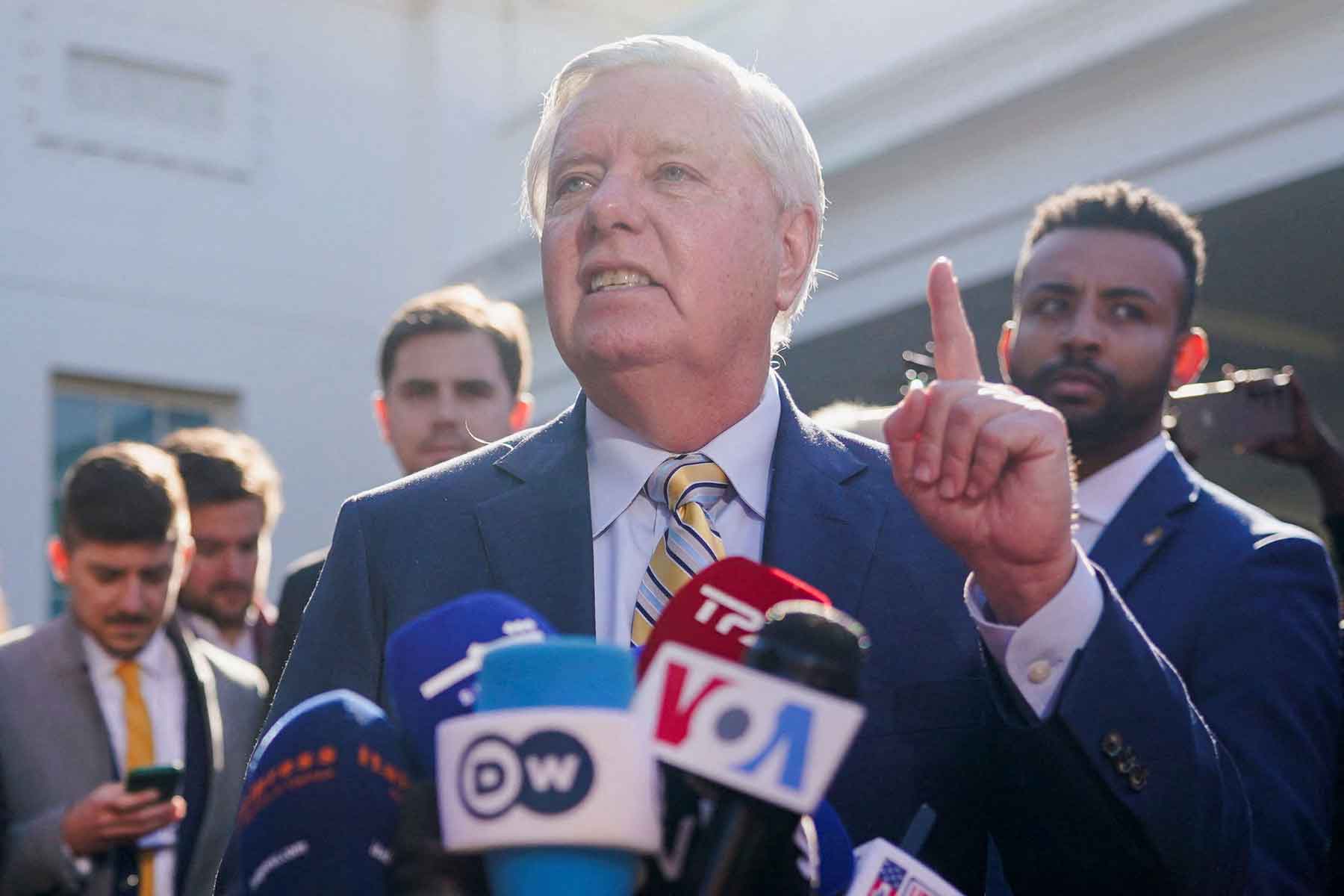
Senator Lindsey Graham: Hezbollah has American blood on its hands
WASHINGTON – A statement by one of the most influential members of the US Senate has refocused attention on mounting American political pressure on Lebanon over Hezbollah’s weapons and the stance of official state institutions towards the powerful armed group.
The controversy was sparked by a brief encounter between Republican Senator Lindsey Graham and Lebanese Armed Forces commander General Rodolphe Haykal, which ended abruptly after a clear divergence in how the two sides characterised Hezbollah. The incident quickly generated widespread debate in Lebanese political and media circles, underscoring the sensitivity of the issue amid ongoing regional tensions.
According to Graham himself, the meeting lasted only a few minutes after he posed a direct question to Haykal about whether he considered Hezbollah a terrorist organisation. Haykal replied in the negative, explaining that such a classification did not apply “in the context of Lebanon”, a response that prompted the US senator to immediately terminate the discussion.
“I just had a very brief meeting with the Lebanese Chief of Defense General Rodolphe Haykal,” Graham wrote on X. “I asked him point blank if he believes Hezbollah is a terrorist organization. He said, ‘No, not in the context of Lebanon.’ With that, I ended the meeting.”
Sharp US criticism
Graham did not limit himself to recounting the exchange but accompanied his remarks with unusually blunt criticism. He emphasised that Hezbollah is officially designated as a terrorist organisation by the United States, noting that its members have been implicated, according to Washington, in attacks against American citizens and interests.
“They are clearly a terrorist organization. Hezbollah has American blood on its hands. Just ask the US Marines,” Graham wrote, referring to the 1983 bombing of US Marine barracks in Beirut that killed 241 American service members.
He added that Hezbollah has been listed as a foreign terrorist organisation by successive US administrations, both Republican and Democratic, since 1997, arguing that the designation reflects a long-standing bipartisan consensus rather than a temporary political stance.
Graham also warned that positions such as those expressed by Haykal raise serious doubts in Washington about the reliability of Lebanon’s military establishment as a partner.
“As long as this attitude exists from the Lebanese Armed Forces, I don’t think we have a reliable partner in them,” he said. “I am tired of the double speak in the Middle East. Too much is at stake.”
Renewed pressure on Lebanon
The episode comes against the backdrop of a complex political and security landscape, with the United States continuing to classify Hezbollah as a foreign terrorist organisation and accusing it of involvement in attacks against American interests both regionally and internationally.
US officials have repeatedly expressed concern over what they see as slow progress by Lebanon in addressing Hezbollah’s arsenal, which Washington views as a major obstacle to strengthening state sovereignty and long-term stability.
US envoy Thomas Barrack previously suggested that Israel could resort to unilateral measures if efforts to resolve the weapons issue remain stalled, reflecting growing impatience among some international actors with the lack of tangible progress.
Lebanon’s delicate internal balance
Lebanese authorities, meanwhile, have emphasised that the question of weapons must be handled carefully to preserve domestic stability. The Lebanese army has stated that it is working towards consolidating arms under state control in accordance with a 2024 agreement that ended a major confrontation between Hezbollah and Israel, stressing that significant steps have already been taken.
Lebanese President Joseph Aoun has said the ultimate objective of placing all weapons under state authority is to reinforce stability and create conditions conducive to economic recovery. He noted that the government has approved a military-prepared plan to implement this process, while avoiding a fixed timetable to prevent internal tensions.
Hezbollah, for its part, has linked any discussion of relinquishing its weapons to several conditions, including a full Israeli withdrawal from disputed Lebanese territory, an end to Israeli attacks, the release of prisoners, and the launch of reconstruction efforts following the devastating conflict that began in October 2023 and expanded significantly in September 2024.
Despite a subsequent agreement intended to reduce hostilities, Lebanese officials say Israel continues to violate its terms and maintains control over five strategic hilltops seized during the fighting.
Against this backdrop, Graham’s remarks highlight the widening gap between Washington’s expectations and Lebanon’s internal political realities, underscoring the difficult balance Beirut faces as it navigates competing domestic pressures and international demands.