

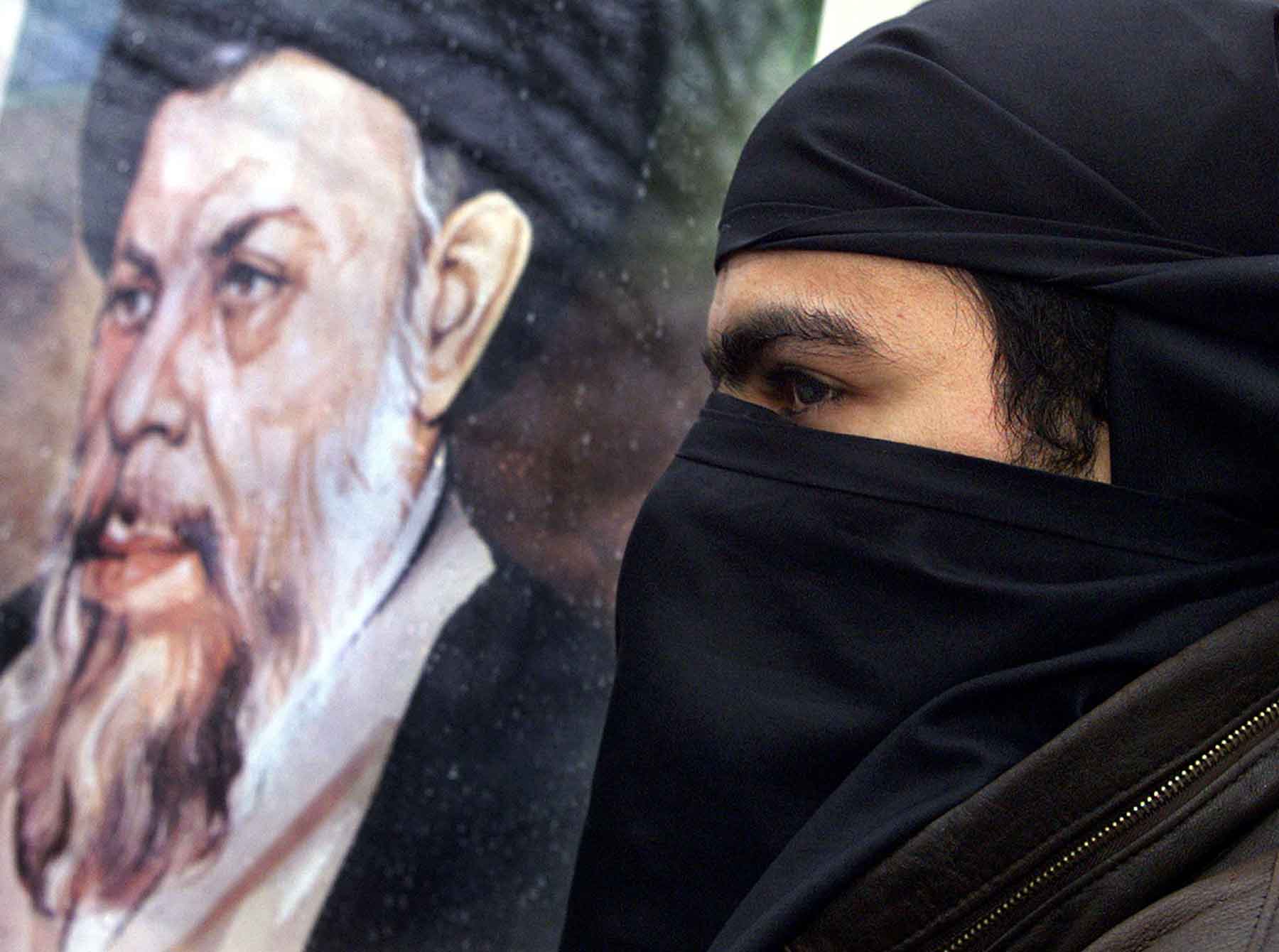
One of the most sensitive cases in modern Iraqi history
Iraq executes ex-Baathist officer for killing of prominent Shia cleric
Mohammed Baqir al-Sadr, the founder of the Islamic Dawa Party, was widely regarded as a leading Shia religious, philosophical and economic thinker.
Monday 09/02/2026
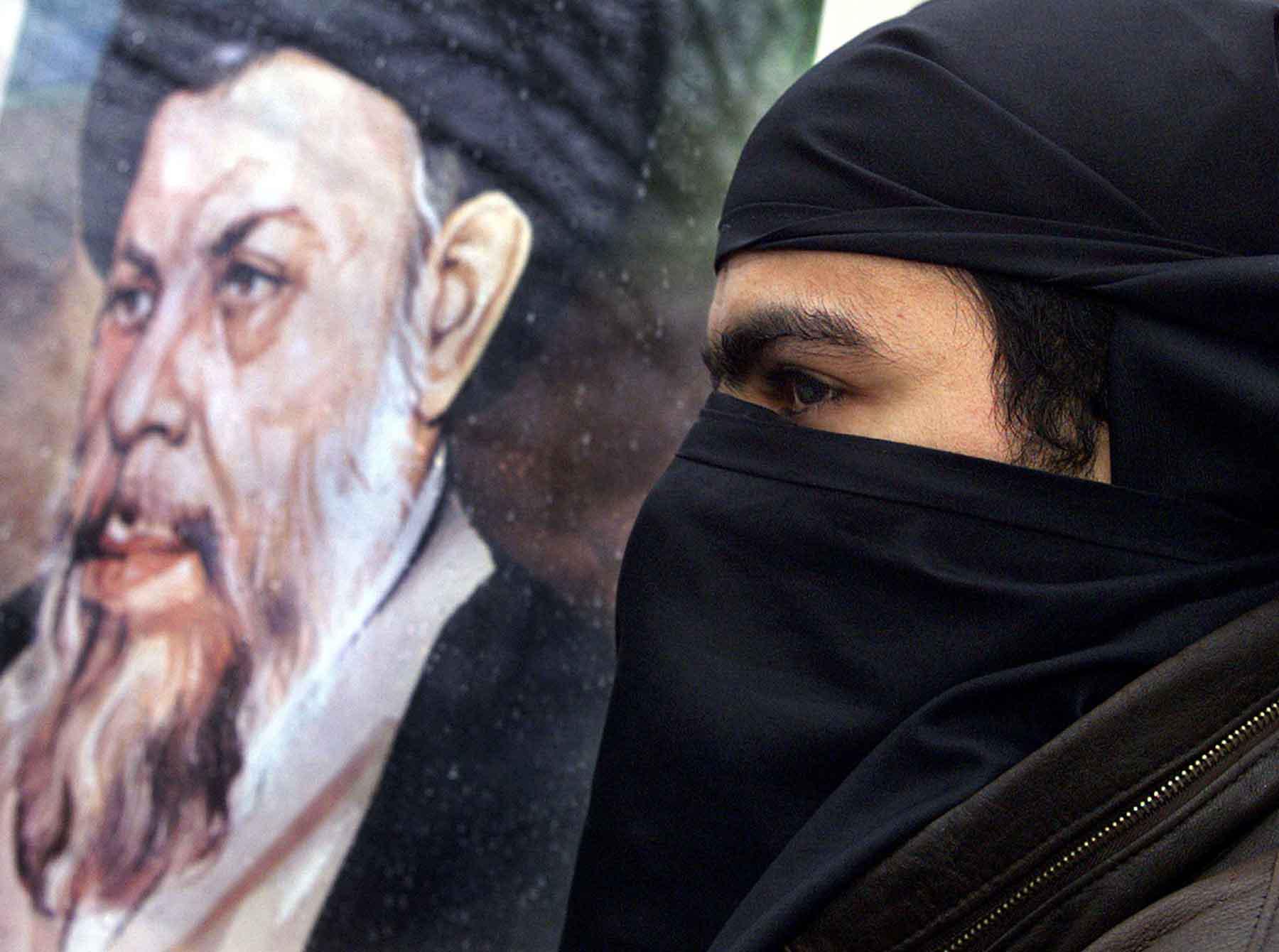
One of the most sensitive cases in modern Iraqi history
BAGHDAD – Iraq on Monday executed Saadoun Sabri al-Qaisi, a former high-ranking officer under Saddam Hussein, convicted of involvement in the 1980 killing of prominent Shia cleric Mohammed Baqir al-Sadr and other civilians, the National Security Service announced.
In a statement, the agency said the execution followed the completion of all judicial procedures, investigations, and intelligence follow-up. Qaisi, who held the rank of major general in the former regime, was found guilty of “grave crimes against humanity,” including the killings of Sadr, members of the al-Hakim family, a leading Shia religious lineage in Najaf, and other innocent civilians.
“The sentence was carried out after completing all due judicial procedures, based on the extensive investigative and intelligence work undertaken by the agency,” said Arshad al-Hakim, spokesperson for Iraq’s National Security Service.
Qaisi, born in 1947, was arrested along with four other former officials in late January 2025. Authorities described them as “some of the most notorious criminals from the former regime, responsible for the deaths of Sadr, his sister Bint al-Huda, and thousands of Iraqis.” At the time of his arrest, the agency said Qaisi admitted to personally executing Sadr and his sister, as well as carrying out mass executions of political opponents.
Sadr, the founder of the Islamic Dawa Party, was widely regarded as a leading Shia religious, philosophical and economic thinker. He became a prominent critic of Saddam Hussein’s secular Baathist government, particularly after the 1979 Islamic Revolution in Iran, which heightened fears of a Shia-led uprising in Iraq. In 1980, Sadr and his sister were arrested, reportedly tortured, and executed in what remains one of the most infamous acts of repression under Saddam’s rule.
Following the 2003 US-led invasion, Iraq has continued to investigate and prosecute former Baathist officials accused of crimes against humanity, including abuses against political and religious opponents. Human rights groups have frequently criticised the country’s application of the death penalty, though Iraqi authorities maintain such actions are part of settling historical injustices from the Saddam era.
Qaisi had fled Iraq after the regime’s fall, reportedly adopting the alias Hajj Saleh in Syria, before returning to Iraq and settling in Erbil in February 2023. His execution marks a continuation of Baghdad’s long-term efforts to resolve cases linked to the Baathist period and its systematic repression of Shia activists and civilians.