

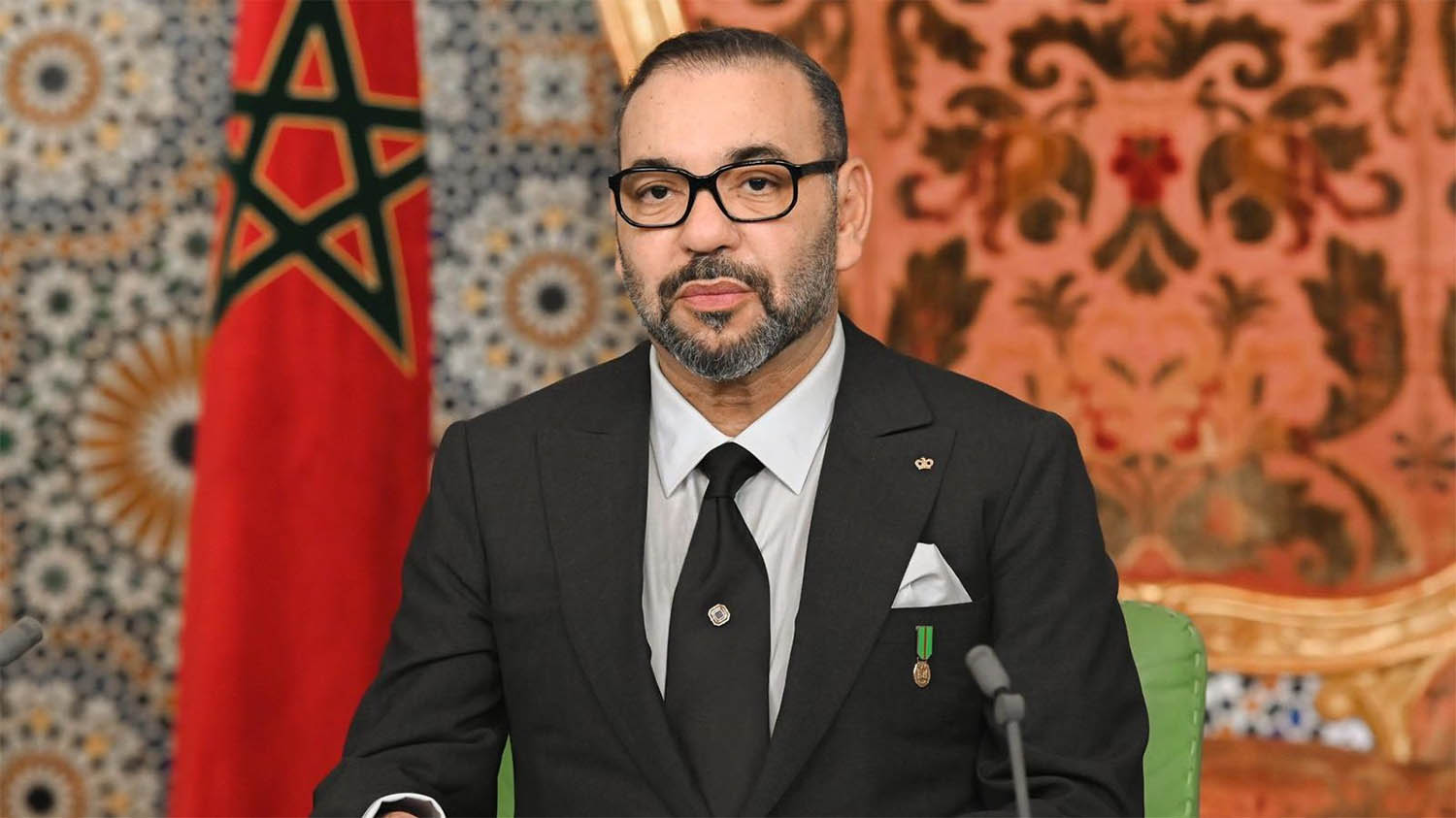
A strong brotherly message to the Gulf leaders
Morocco’s message to the Gulf: Security is indivisible
By condemning attacks against Gulf states in unequivocal terms, Rabat reinforces a consistent normative position: territorial integrity is inviolable, and aggression cannot be normalized.
Tuesday 03/03/2026
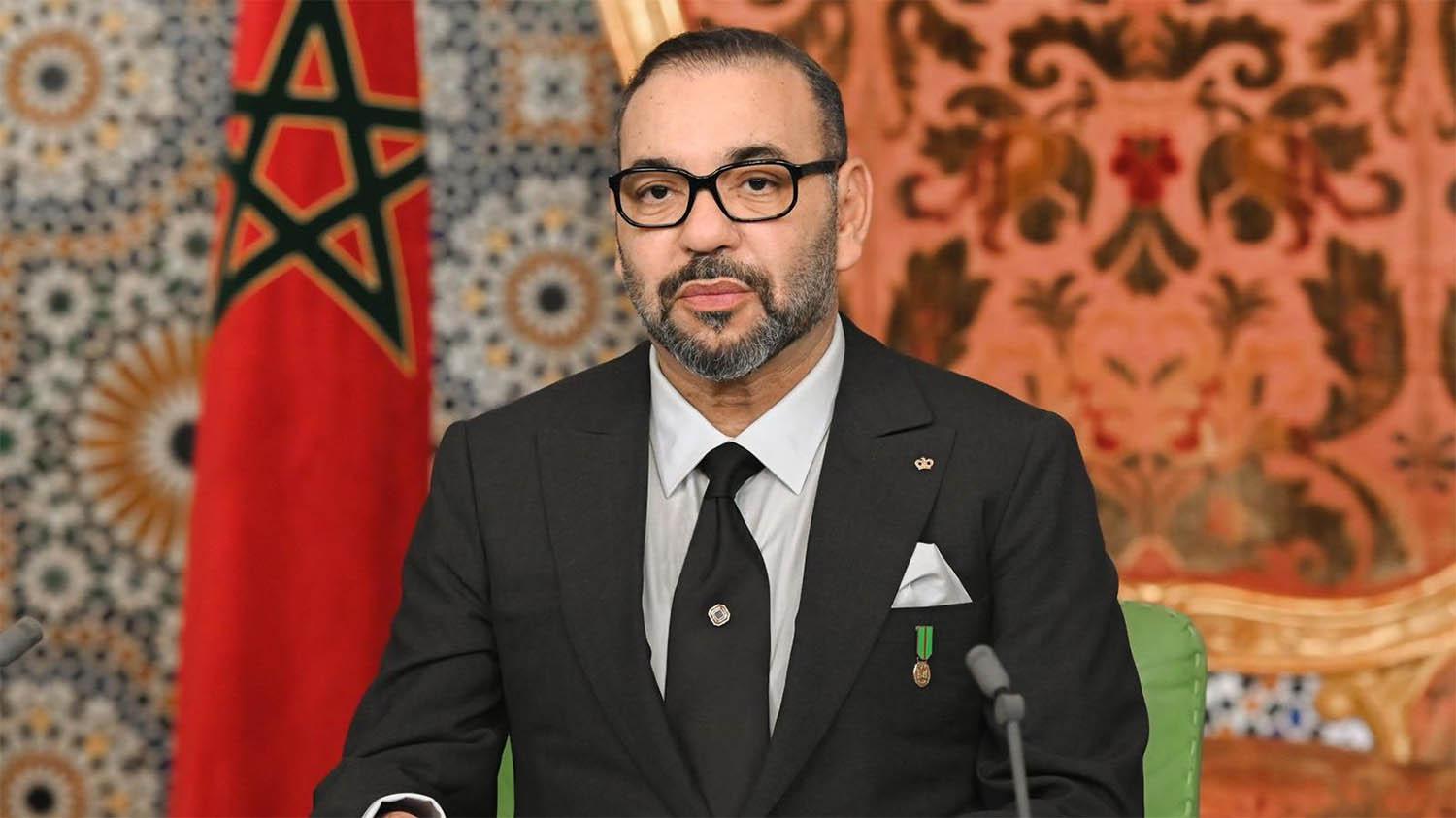
A strong brotherly message to the Gulf leaders
In diplomacy, words are rarely accidental. When a royal communiqué is issued in Rabat, especially in moments of regional tension, every formulation carries weight. The recent announcement that King Mohammed VI held direct telephone conversations with four Gulf leaders was more than a routine gesture of solidarity. It was a carefully calibrated strategic message.
The Moroccan monarch spoke personally with Mohamed bin Zayed Al Nahyan, Hamad bin Issa Al Khalifa, Mohammed bin Salman, and Tamim bin Hamad Al Thani. The symbolism matters. This was not a statement relayed through a foreign ministry spokesperson. It was leader-to-leader diplomacy—direct, immediate, and unmistakably deliberate.
At first glance, the communiqué appears to follow the conventional script of diplomatic condemnation. Morocco denounced “heinous aggressions” targeting the sovereignty and territorial security of these Gulf states. Yet the language was strikingly firm. Such forceful terminology signals that Rabat views violations of sovereignty not as distant geopolitical disturbances, but as affronts to a core principle that underpins its own foreign policy doctrine.
For Morocco, sovereignty is not an abstract legal concept. It is the cornerstone of state legitimacy and regional order. By condemning attacks against Gulf states in unequivocal terms, Rabat reinforces a consistent normative position: territorial integrity is inviolable, and aggression cannot be normalized.
But the communiqué went further. Its most consequential sentence declared that the security and stability of the Arab Gulf countries are “an integral part” of Morocco’s own security and stability.
This is no minor rhetorical flourish. It amounts to a doctrinal assertion—an articulation of what might be called the principle of indivisible security. Morocco is effectively stating that instability in the Gulf reverberates directly within its own strategic calculus.
Geography alone does not explain this posture. The Gulf lies thousands of kilometers from North Africa. Yet in today’s interconnected security environment, distance is no shield against strategic shockwaves. Energy markets, financial flows, counterterrorism coordination, and political alliances bind Rabat to the Gulf in ways that transcend geography.
The countries concerned—the United Arab Emirates, Bahrain, Saudi Arabia, and Qatar—form the backbone of the Gulf’s political and economic architecture. Over the past decade, they have deepened ties with Morocco across investment, development, and security cooperation. The relationship is not transactional; it is structural.
By linking Moroccan stability explicitly to Gulf stability, King Mohammed VI elevated solidarity to strategy. The message carries both reassurance and deterrence. Reassurance to allies that Morocco stands firmly by them. Deterrence to adversaries that destabilizing one node of this network carries broader regional implications.
The communiqué also highlights a defining feature of Moroccan diplomacy: the central role of the monarchy. Royal diplomacy ensures continuity and coherence in foreign affairs. When crises erupt, it allows for swift, personalized engagement that transcends bureaucratic layers. In an era when foreign policy can often appear fragmented or reactive, this model offers clarity and consistency.
Equally significant is the language of fraternity—“brotherly states,” “anchored ties,” “constant solidarity.” Critics may dismiss such phrasing as ceremonial, but in the Arab political lexicon, symbolism shapes strategic narratives. The vocabulary reinforces an axis of stability among monarchies that see themselves as custodians of gradual reform, institutional continuity, and regional equilibrium.
At a time when the Middle East faces renewed volatility and global power competition intensifies, Morocco is positioning itself not as a distant observer, but as an integrated stakeholder in Gulf stability. This posture reflects a broader evolution in Rabat’s foreign policy: outward-looking, alliance-driven, and anchored in principles of sovereignty and non-aggression.
In the end, the communiqué sends a clear signal. Morocco’s conception of national security extends beyond its borders. It rests on partnerships, shared legitimacy, and the conviction that stability cannot be compartmentalized.
Security, Rabat reminds us, is indivisible. And in a fractured region, that may be one of the most consequential messages of all.
