


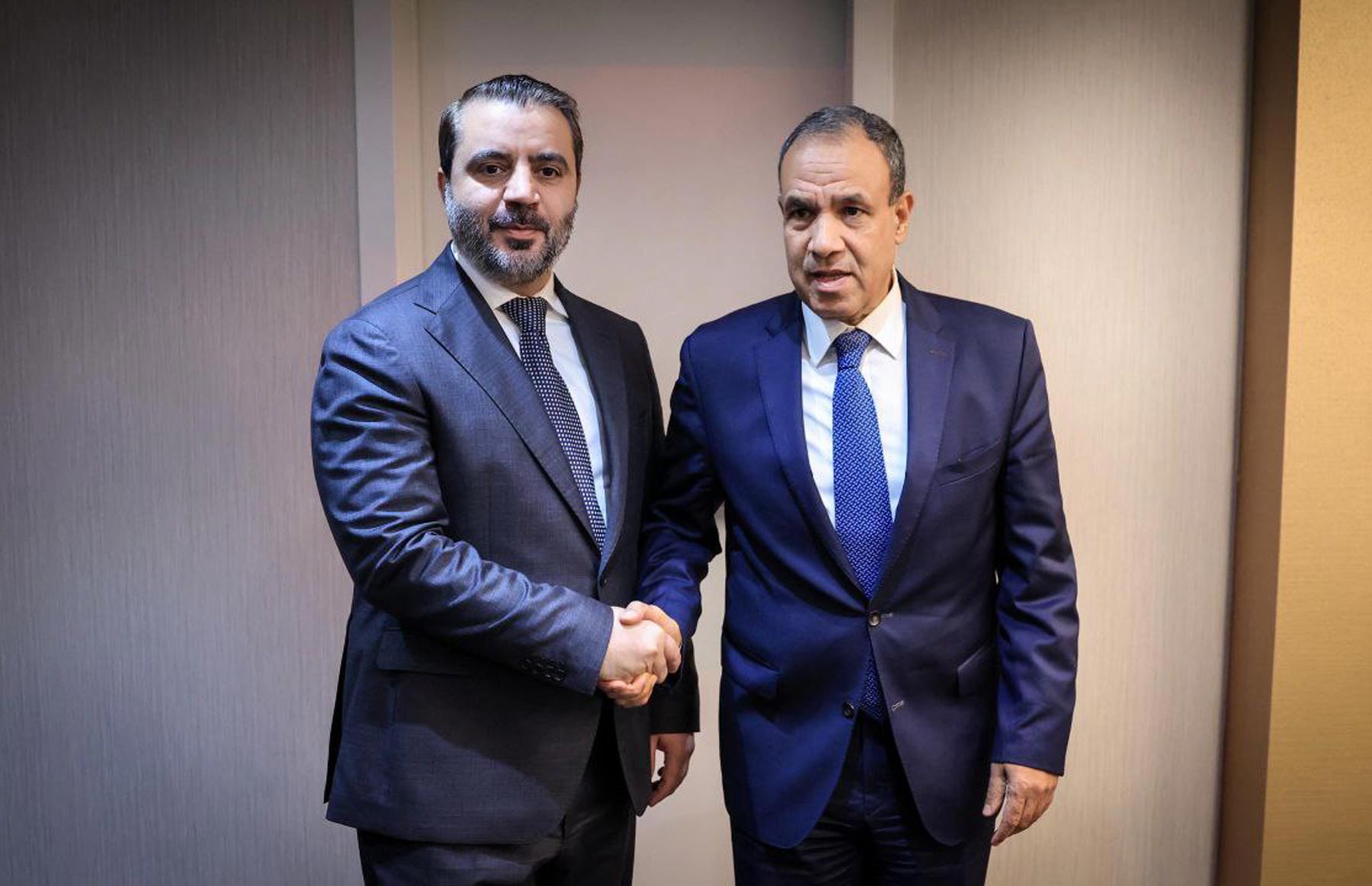
Cairo appears to be softening its previously cautious approach
Egypt, Syria move towards rapprochement with landmark Cairo talks
Shibani’s visit has helped dispel some of Cairo’s concerns, particularly regarding security issues such as foreign fighters, and reflects a broader regional push to recalibrate alliances.
Monday 04/05/2026
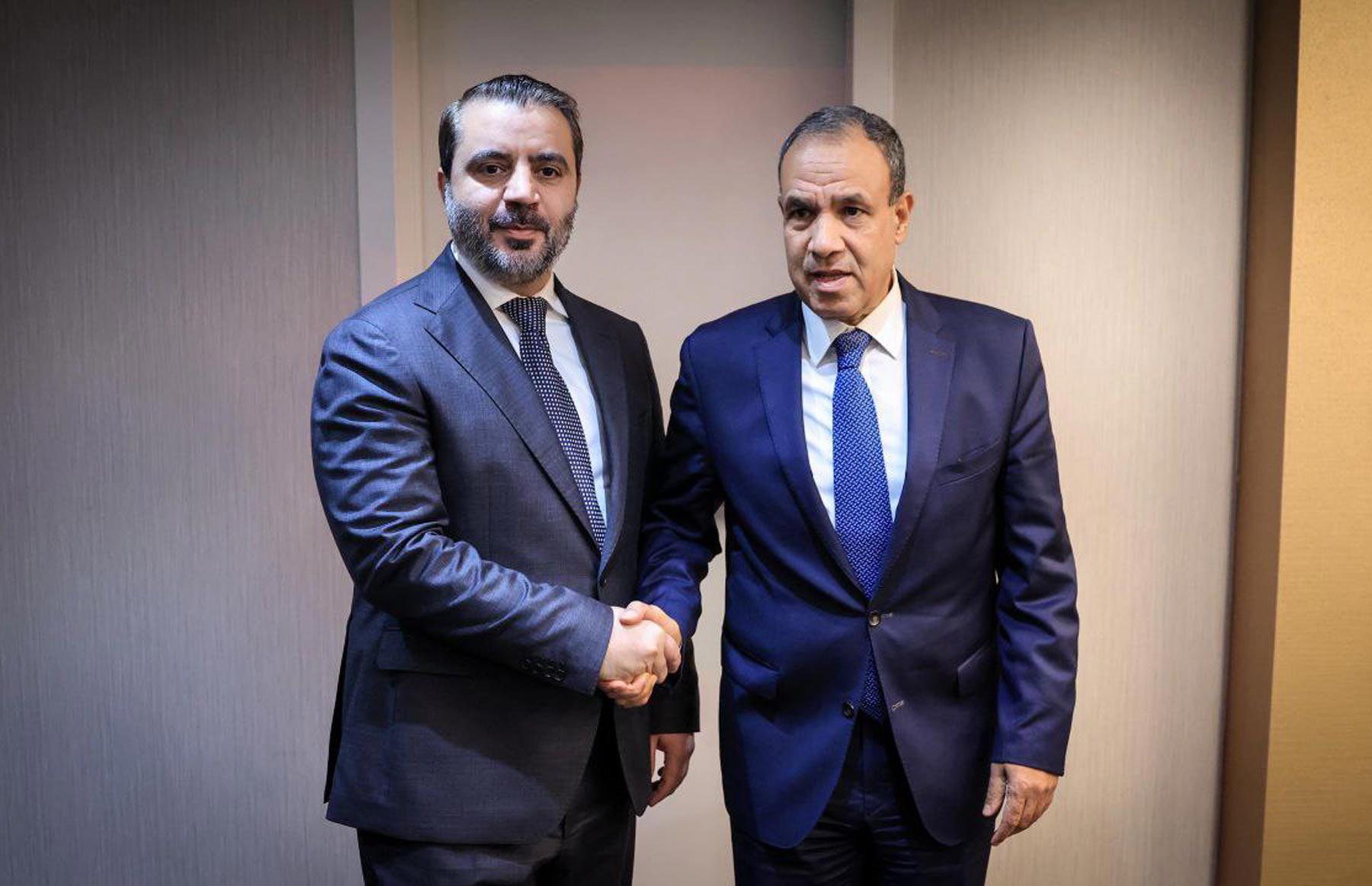
Cairo appears to be softening its previously cautious approach
CAIRO – Egypt and Syria signalled a cautious but growing rapprochement on Sunday as their foreign ministers held high-level talks in Cairo, aiming to rebuild ties, coordinate on regional crises and lay the groundwork for deeper economic cooperation.
Asaad al-Shaibani met Badr Abdelatty in the first visit by a Syrian foreign minister since the ousting of Bashar al-Assad, in a move widely seen as an effort to overcome years of strained relations.
The talks, attended by senior officials including Syrian Economy Minister Mohammad Nidal al-Shaar, focused on boosting bilateral cooperation and aligning positions on rapidly evolving regional developments.
In a statement, Egypt’s foreign ministry said Abdelatty reaffirmed Cairo’s longstanding support for Syria’s unity, territorial integrity and state institutions, while backing the “legitimate aspirations” of its people.
He also stressed the need to combat terrorism and extremism and address the issue of foreign fighters, underscoring Egypt’s priority that Syria should become a stabilising force in the region.
Reset driven by shifting realities
The visit comes amid signs that Cairo is softening its previously cautious approach towards Syria’s new leadership under President Ahmed al-Sharaa.
Relations had remained cool following Assad’s fall, with Egypt wary of security risks and the direction of political change in Damascus. However, increased economic engagement and diplomatic contacts have helped ease those concerns.
A meeting last month between Sharaa and Egyptian President Abdel Fattah al-Sisi in Cyprus, alongside an earlier phone call between the two foreign ministers, laid the groundwork for renewed engagement.
Economic cooperation is emerging as a key pillar of the relationship. An Egyptian trade delegation visited Damascus earlier this year for the first time in 15 years, and the two sides have signed an energy cooperation agreement.
Plans are also underway to establish a joint business council, reflecting growing interest in reconstruction, trade and investment opportunities.
Analysts say economic ties could act as a gateway to broader political rapprochement, though progress will depend on developments in Syria’s security and governance landscape.
Shared concerns over regional instability
The ministers discussed a range of regional issues, including the trajectory of US-Iran negotiations, efforts to de-escalate tensions and the situation in Lebanon.
Abdelatty warned of the risks of wider conflict and called for coordinated regional and international action to preserve stability.
He also reiterated Egypt’s “categorical rejection” of Israeli actions in Syria, condemning what he described as violations of sovereignty and attempts to exploit the current situation to seize additional territory.
He urged Israel to comply with the 1974 disengagement agreement and reaffirmed Egypt’s support for ending its occupation of the Syrian Golan Heights.
Observers say Shibani’s visit has helped dispel some of Cairo’s concerns, particularly regarding security issues such as foreign fighters, and reflects a broader regional push to recalibrate alliances.
While challenges remain, the renewed dialogue suggests both countries see strategic value in rebuilding ties at a time of heightened geopolitical uncertainty.