

An amphetamine-type stimulant widely smuggled across the region
Jordan strikes drug and arms smuggling sites along Syrian border
The military said in a statement carried by the state news agency Petra that the operation hit factories, workshops and warehouses used by smuggling groups.
Monday 04/05/2026
An amphetamine-type stimulant widely smuggled across the region
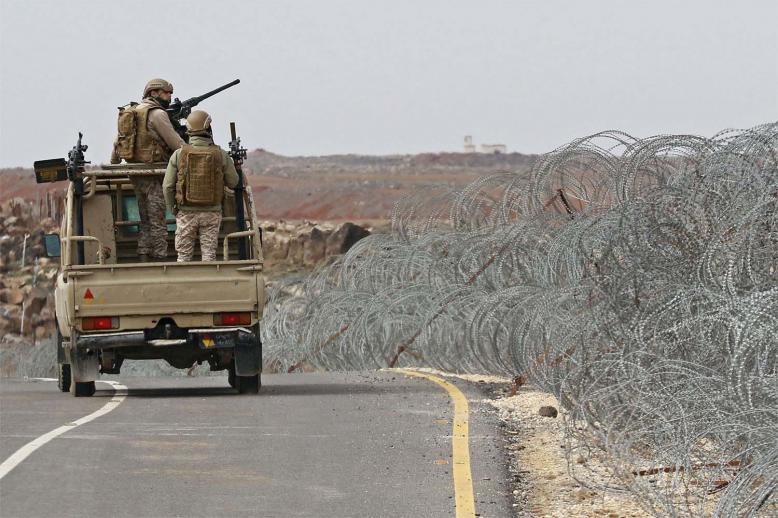
AMMAN – Jordan’s armed forces said early Sunday they carried out precision strikes targeting drug and weapons smuggling infrastructure along the kingdom’s northern border with Syria, in an escalation of efforts to curb cross-border trafficking networks.
The military said in a statement carried by the state news agency Petra that the operation hit factories, workshops and warehouses used by smuggling groups as staging points for operations aimed at bringing narcotics and weapons into Jordanian territory.
It said the sites were identified through intelligence and operational monitoring, and were destroyed in “high-precision” strikes designed to prevent the infiltration of illegal goods into the kingdom.
The armed forces added that smuggling attempts along the northern frontier have increased significantly in recent months, placing growing pressure on border units and security formations responsible for intercepting illicit flows.
Jordan said the groups behind the smuggling have recently adopted “new methods,” taking advantage of weather conditions and regional instability to facilitate their operations.
The military stressed it would continue to take “proactive, decisive and deterrent” action against any threat to Jordan’s security and sovereignty.
On the Syrian side of the border, local reports cited by Syrian state-linked media said aircraft believed to be Jordanian struck multiple sites in Suwayda province, including a facility allegedly used to store weapons and narcotics controlled by what it described as “rebel gangs.”
The reported strikes hit the town of Shahba, including areas near a former state security branch, with residents reporting heavy drone activity and hearing ambulances in the area.
Additional strikes were reported on warehouses used for storing narcotics in the village of Bousan east of Suwayda, as well as facilities linked to a well-known drug trafficker in the region. Other storage sites were reportedly targeted near rural areas south and southeast of Suwayda.
Jordan has faced repeated attempts at smuggling weapons and narcotics across its northern border during years of instability in Syria, particularly during the height of the Syrian conflict.
While such incidents have reportedly decreased in recent years following political changes in Damascus, Jordanian officials say trafficking networks remain active and adaptive.
Since the fall of Bashar al-Assad in late 2024 and the formation of a transitional administration, Syria’s new authorities have pledged to dismantle the drug trade networks that flourished during the war years.
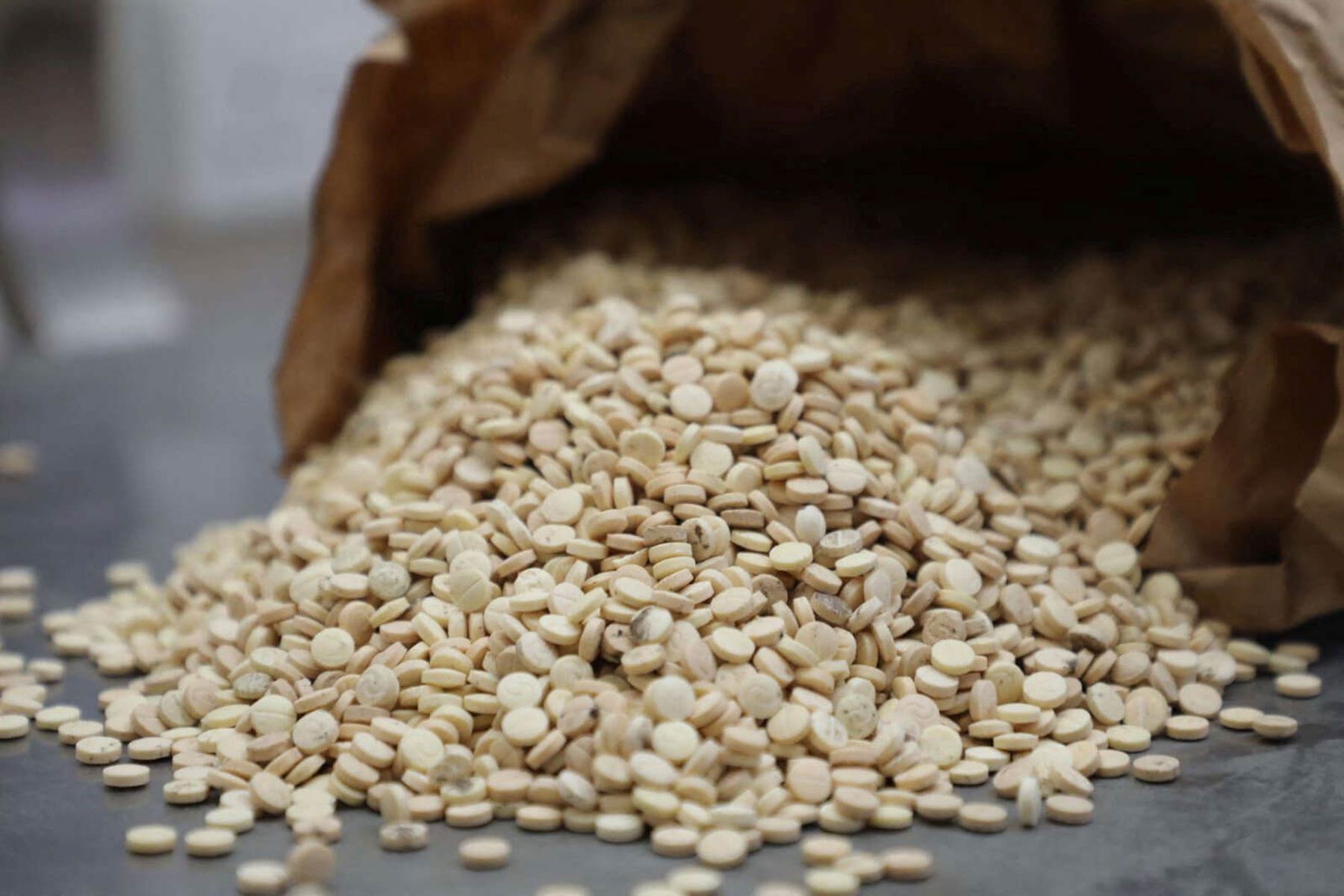
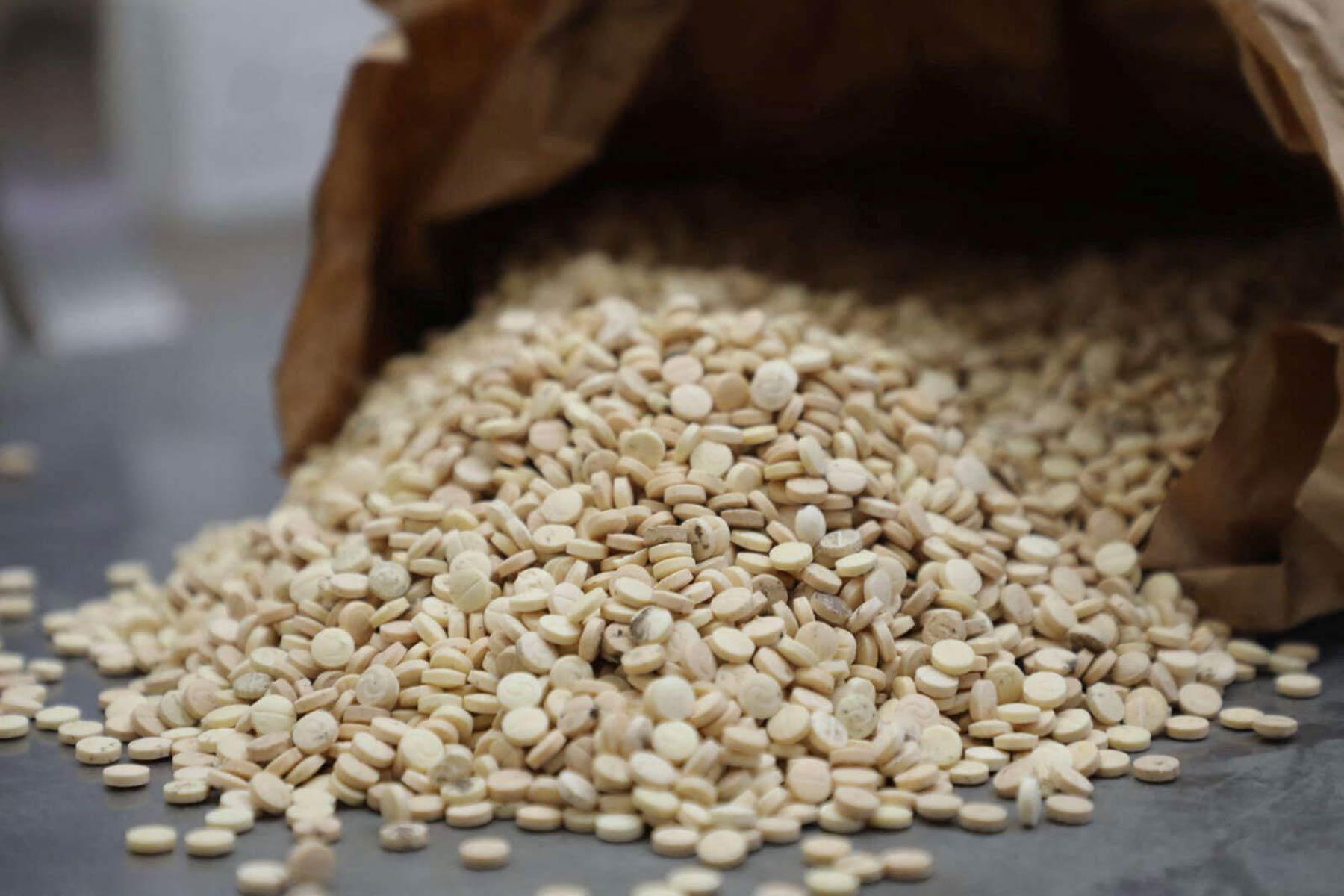
International assessments, including from the UK government, have previously estimated that Syria under the former Assad government played a major role in the global production and trafficking of captagon, an amphetamine-type stimulant widely smuggled across the region.
Damascus has said it has dismantled major production facilities and seized equipment linked to the drug trade, particularly in areas previously controlled by military units and militias aligned with the former regime.
Jordanian officials have repeatedly warned that instability along Syria’s southern border continues to pose a direct security threat, particularly through organised smuggling networks operating in fragmented and remote terrain.