


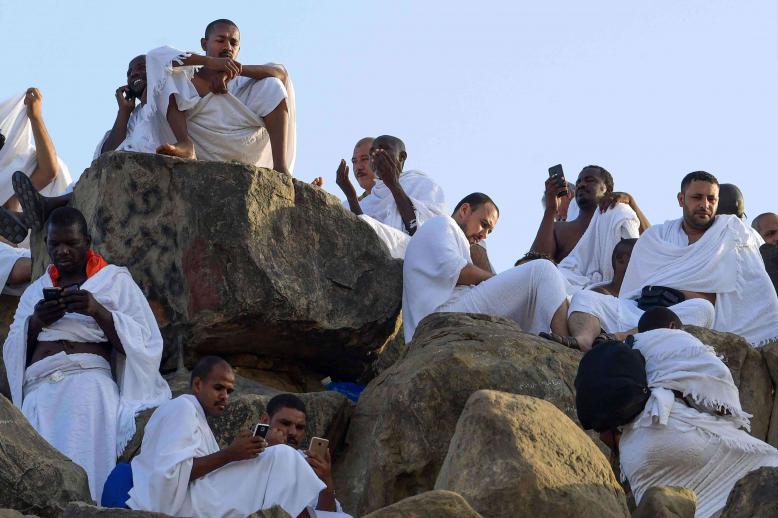

A physical pathway and a symbolic link
Ancient route regains spiritual focus as Hajj season approaches
Over centuries, Qarn Al-Manazil became one of the most frequented pilgrimage routes, valued not only for its practicality but also for its religious significance.
Wednesday 06/05/2026
A physical pathway and a symbolic link
TAIF, Saudi Arabia – With the approach of the Hajj season, the Al-Sayl Al-Kabeer route, historically known as Qarn Al-Manazil, has once again come to life as one of the most significant overland pathways for pilgrims travelling from Najd and the eastern Arabian Peninsula towards Makkah.
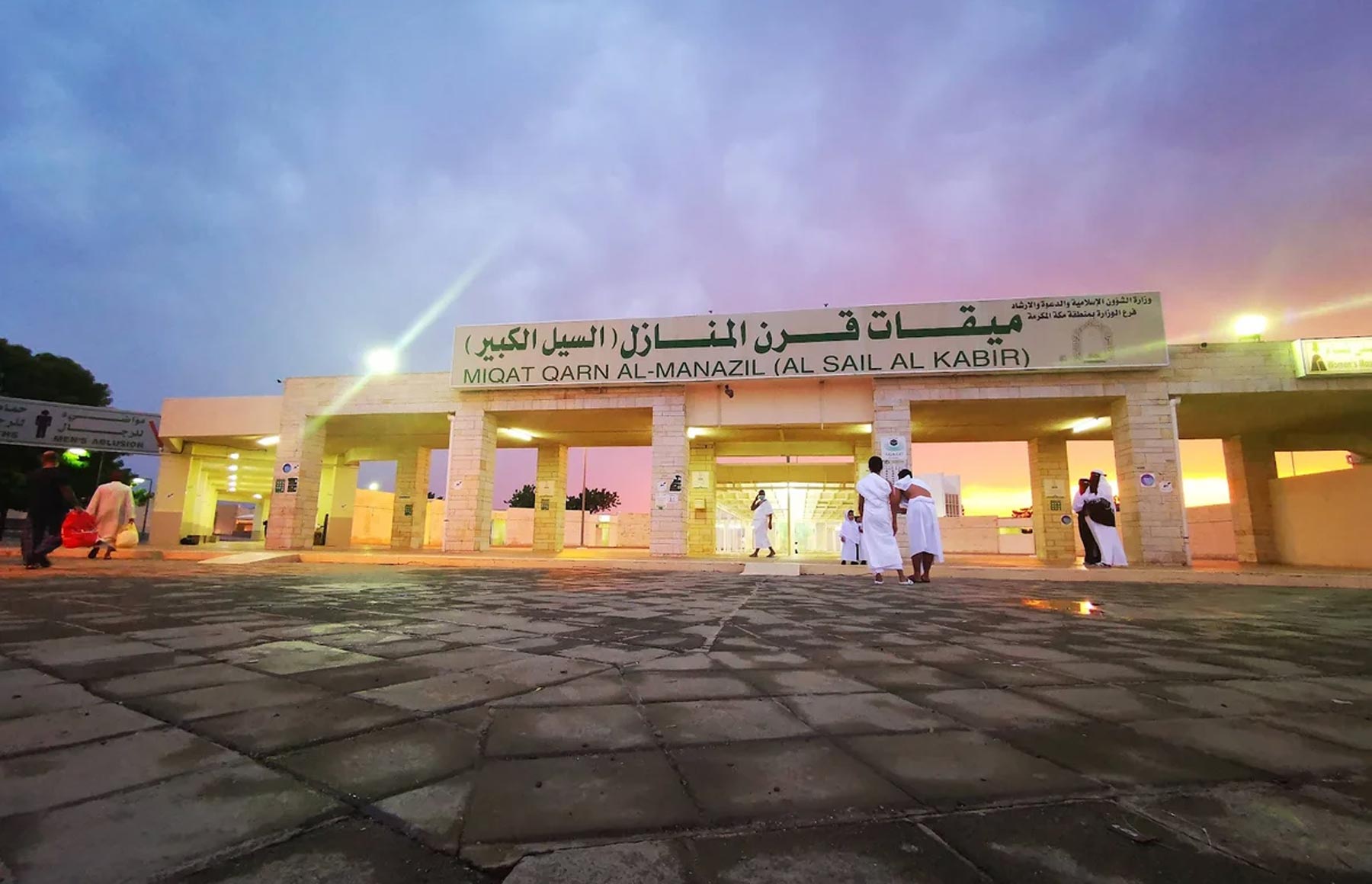
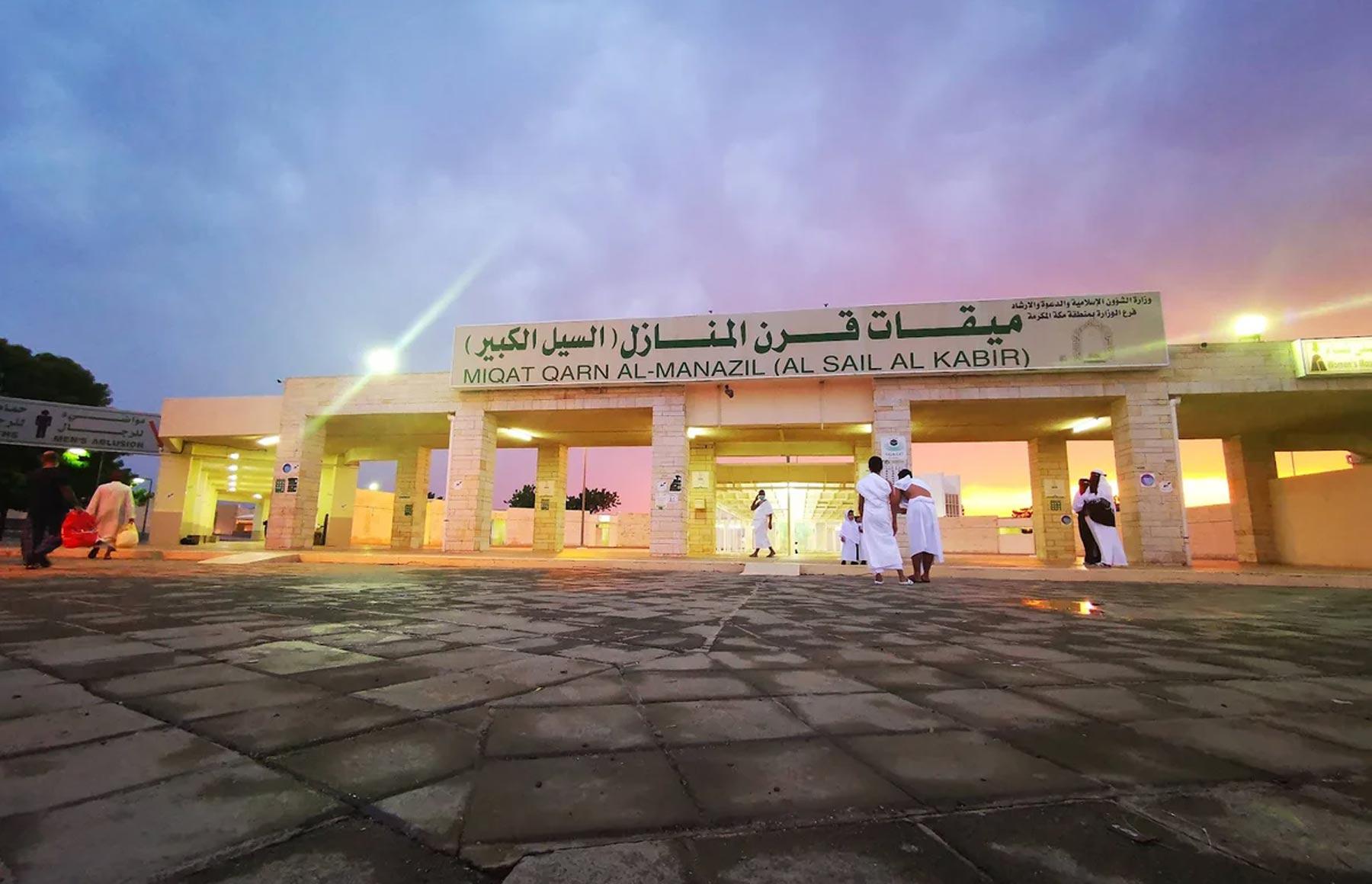
The route holds profound religious and historical importance as one of the five miqats in Islam, designated boundary points where pilgrims enter the state of Ihram, marking the formal beginning of their spiritual journey.
Stretching from Taif towards the holy city, the road descends through the mountainous terrain of Al-Hada and Al-Shafa, weaving through valleys and highland passes before reaching Al-Sayl Al-Kabeer, northeast of Makkah. Its geography has long shaped its role, offering a relatively accessible passage for pilgrims travelling from the east.
Over centuries, Qarn Al-Manazil became one of the most frequented pilgrimage routes, valued not only for its practicality but also for its religious significance. It remains a vital gateway for Hajj and Umrah pilgrims today, supported by extensive modern development works led by the Saudi Roads General Authority, which has enhanced accessibility and infrastructure along the route.
At the heart of the route stands the Miqat Al-Sayl Al-Kabeer Mosque, which continues to serve thousands of pilgrims each season. The site is equipped with integrated facilities including ablution areas, water services, and dedicated bus parking, allowing travellers to prepare for their spiritual transition into Ihram in comfort and order.
For pilgrims, the journey along this route is more than transport: it is a continuation of a tradition that stretches back centuries, connecting modern travellers with one of the oldest movements of faith in the Islamic world.
Hajj is regarded as a religious duty that Muslims must undertake at least once in their lifetime if able. The pilgrimage is rooted in the earliest history of Islam, centred on Makkah and Madinah, the two holiest cities in Islam and home to the Grand Mosque and the Kaaba, and the Prophet’s Mosque respectively.
These sacred cities and the routes leading to them have, over time, shaped not only religious practice but also patterns of settlement, trade and cultural exchange across the Islamic world, as cities developed along pilgrimage corridors stretching far beyond the Arabian Peninsula.
Today, Hajj continues to draw millions from across the globe, preserving a living tradition that links past and present through shared ritual and movement.