

A deepening deadlock
RSF chief says ready for peace but warns war could last 40 years
The RSF leader’s comments came a day after Sudan’s army-aligned government accused Ethiopia of involvement in drone attacks.
Friday 08/05/2026
A deepening deadlock
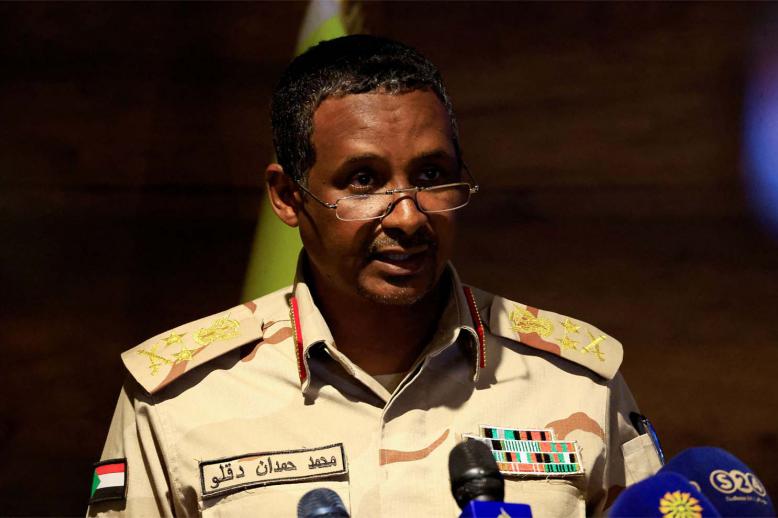
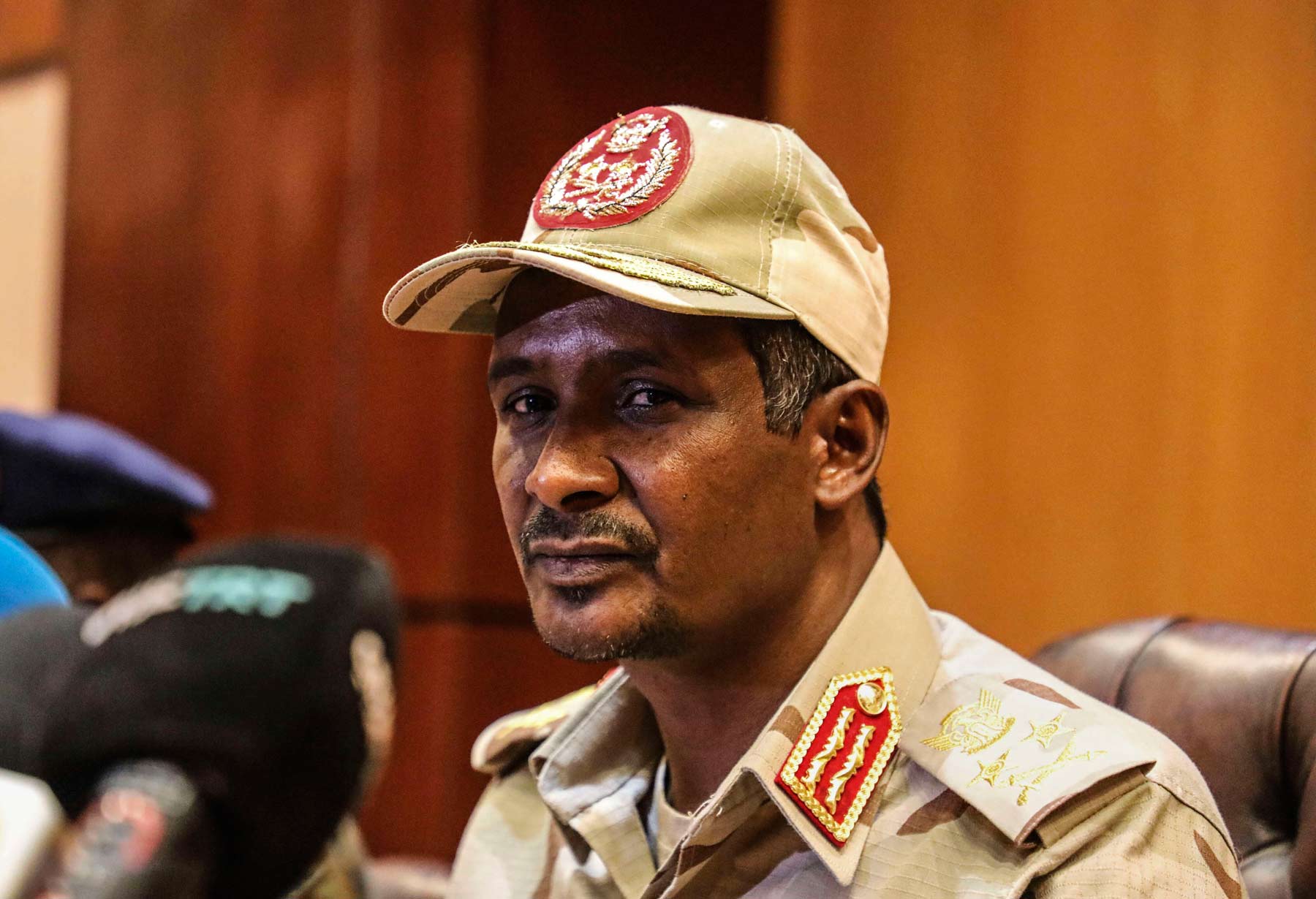
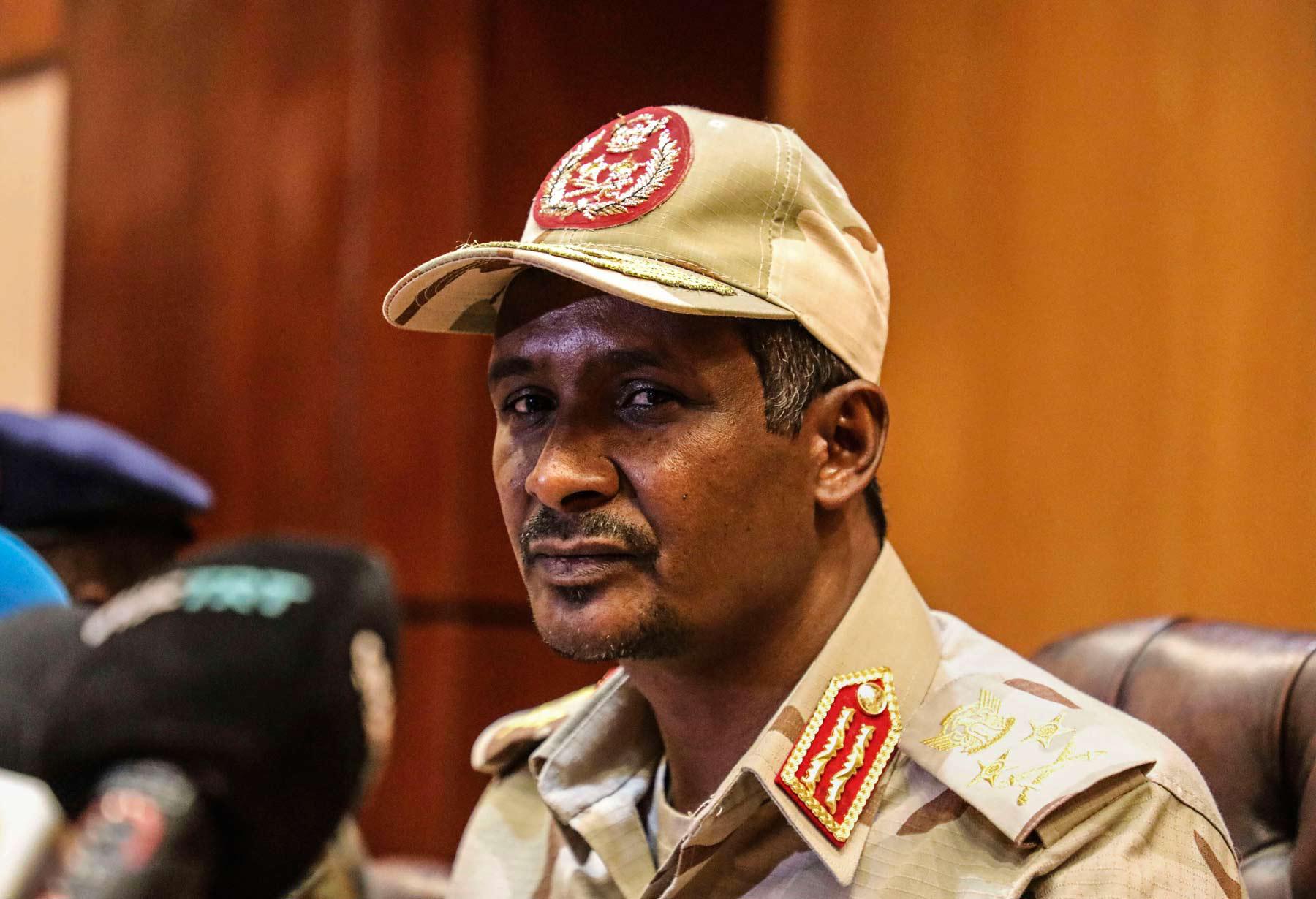
DARFUR, Sudan – Rapid Support Forces (RSF) commander General Mohamed Hamdan Dagalo said his forces wanted peace “as soon as possible” in Sudan, but warned they were prepared to fight for decades in their war against the Sudanese army, underscoring the deepening deadlock in a conflict that has devastated the country and fuelled fears of a prolonged partition-style war.
Dagalo, widely known as Hemedti, made the remarks during a rare public appearance before a group of RSF fighters on Wednesday evening, speaking from what observers described as a position of confidence following recent battlefield advances by his forces on several fronts.
“We do not want this war to continue,” Dagalo said. “But if they (the army) continue it for 40 years, it will continue until they are uprooted from their roots.”
The RSF leader’s comments came a day after Sudan’s army-aligned government accused Ethiopia of involvement in drone attacks launched from Ethiopian territory against several Sudanese states since March, including strikes targeting Khartoum and its airport earlier this week.
Analysts say the Sudanese army’s repeated accusations against regional countries appear aimed at externalising the conflict and diverting attention from mounting military setbacks inside Sudan.
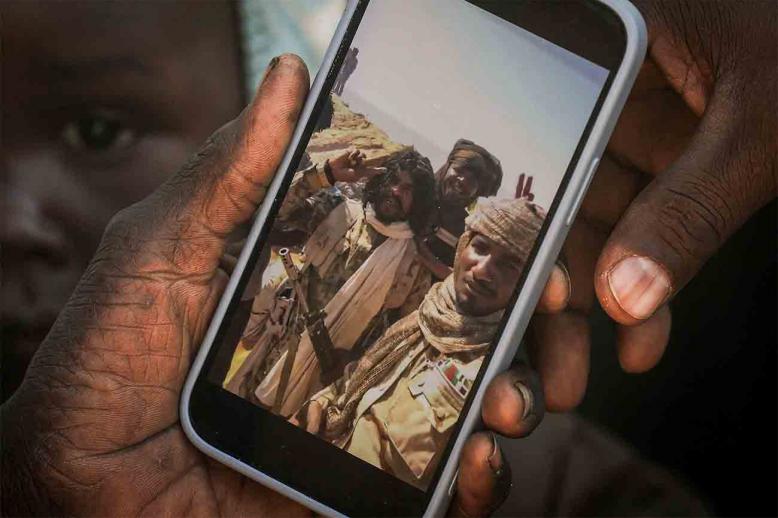
Dagalo insisted RSF fighters had not fully withdrawn from the capital despite the army’s announcement in March 2025 that it had regained control of Khartoum. He said RSF elements remained deployed on the outskirts of Omdurman, across the Nile from central Khartoum.
Khartoum, which had witnessed relative calm after the army recaptured large parts of the city earlier this year, has again come under attack in recent weeks. Drone strikes have hit several districts, including an attack last Saturday that killed five civilians travelling in a vehicle in southern Omdurman, while another strike damaged a hospital.
Despite the renewed violence, parts of the capital had begun slowly returning to life in recent months. According to United Nations figures, more than 1.8 million displaced residents have returned to Khartoum, while domestic flights resumed from the capital’s airport. However, severe shortages of electricity, water and essential services persist across large areas of the city.
The war has increasingly evolved into a drone-driven conflict, with both sides escalating aerial attacks across the country. The United Nations says nearly 700 civilians have been killed in drone strikes since January alone.
Sudan’s conflict, now in its fourth year, has killed tens of thousands of people, displaced millions and triggered what the UN describes as the world’s worst displacement and hunger crisis.
International mediation efforts have repeatedly stalled. Initiatives led by the Quartet grouping of the United States, Saudi Arabia, the United Arab Emirates and Egypt have failed to secure even a humanitarian ceasefire, as both sides remain entrenched in maximalist positions.
Army chief General Abdel Fattah al-Burhan has repeatedly vowed that his forces will continue fighting until victory, insisting the war can end only if the RSF surrenders its weapons and relinquishes territory under its control, conditions many observers view as unrealistic and indicative of the widening gap between the two camps.
Beyond Khartoum, fierce fighting continues across several regions, particularly in South Kordofan and Blue Nile State near the Ethiopian border, where the RSF has recently claimed significant gains.
On Thursday, the RSF announced it had seized four military positions in Blue Nile State in southeastern Sudan. Videos circulated on social media appeared to show RSF fighters inside the areas of Sali, Mokan, Khor Hassan and Karn Karn.
The paramilitary force had already claimed control late last month over the strategic town of Al-Keili in Blue Nile after inflicting what it described as heavy losses on army forces.
In March, the RSF and its ally, the Sudan People’s Liberation Movement-North led by Abdelaziz al-Hilu, launched a major military campaign in the region. The operation enabled them to capture the strategically important town of Kurmuk along with surrounding areas, significantly expanding pressure on army positions near the Ethiopian frontier.
The expanding frontlines and continued collapse of ceasefire efforts have reinforced fears that Sudan’s war is moving further away from a negotiated settlement, even as both sides publicly insist they remain open to peace.