

An effort to build collective resilience in the face of mounting regional uncertainty
UAE, Qatar deepen strategic partnership amid Gulf security fears
Particular emphasis was placed on cooperation in sectors tied to the future economy, including AI, digital transformation, cloud computing and cybersecurity.
Friday 08/05/2026
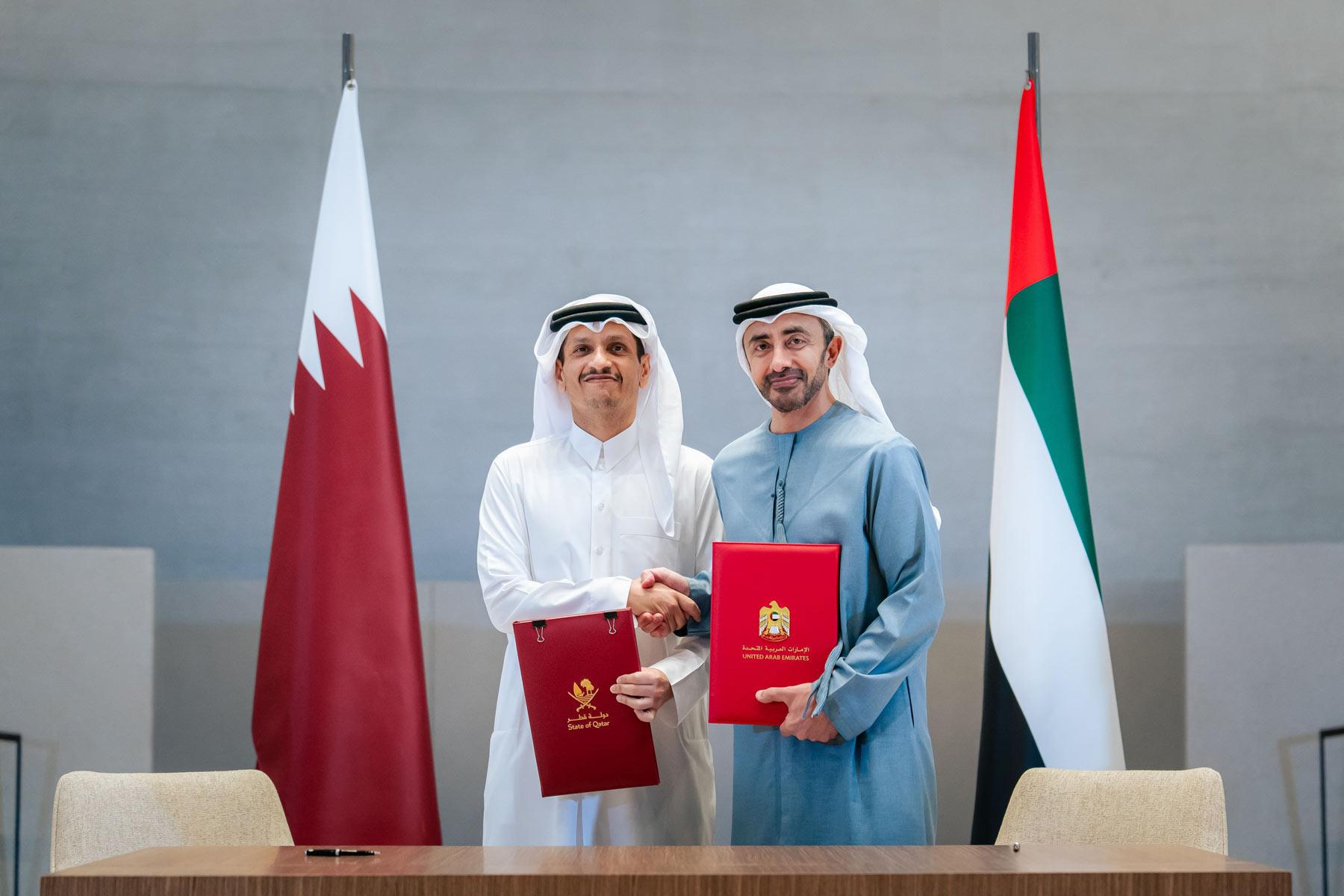
An effort to build collective resilience in the face of mounting regional uncertainty
ABU DHABI – The United Arab Emirates and Qatar signed a series of agreements and memorandums of understanding across key economic and strategic sectors on Thursday, underscoring a growing Gulf push toward deeper regional integration as tensions with Iran continue to reshape the political and security landscape of the Middle East.
The agreements were announced during the seventh session of the UAE-Qatar Joint Higher Committee for Cooperation hosted in Abu Dhabi, where both sides declared that relations between the two Gulf states were moving “steadily toward a more advanced stage of cooperation and integration.”
The latest Emirati-Qatari rapprochement comes at a particularly sensitive regional moment following months of conflict linked to the war with Iran, which erupted at the end of February and triggered repeated Iranian missile and drone attacks against Gulf states, major disruptions to shipping in the Strait of Hormuz, and turbulence in global energy and commodity markets.
Against that backdrop, officials and analysts view the strengthening partnership between Abu Dhabi and Doha as carrying significance beyond economics, reflecting a broader Gulf effort to build collective resilience in the face of mounting regional uncertainty.
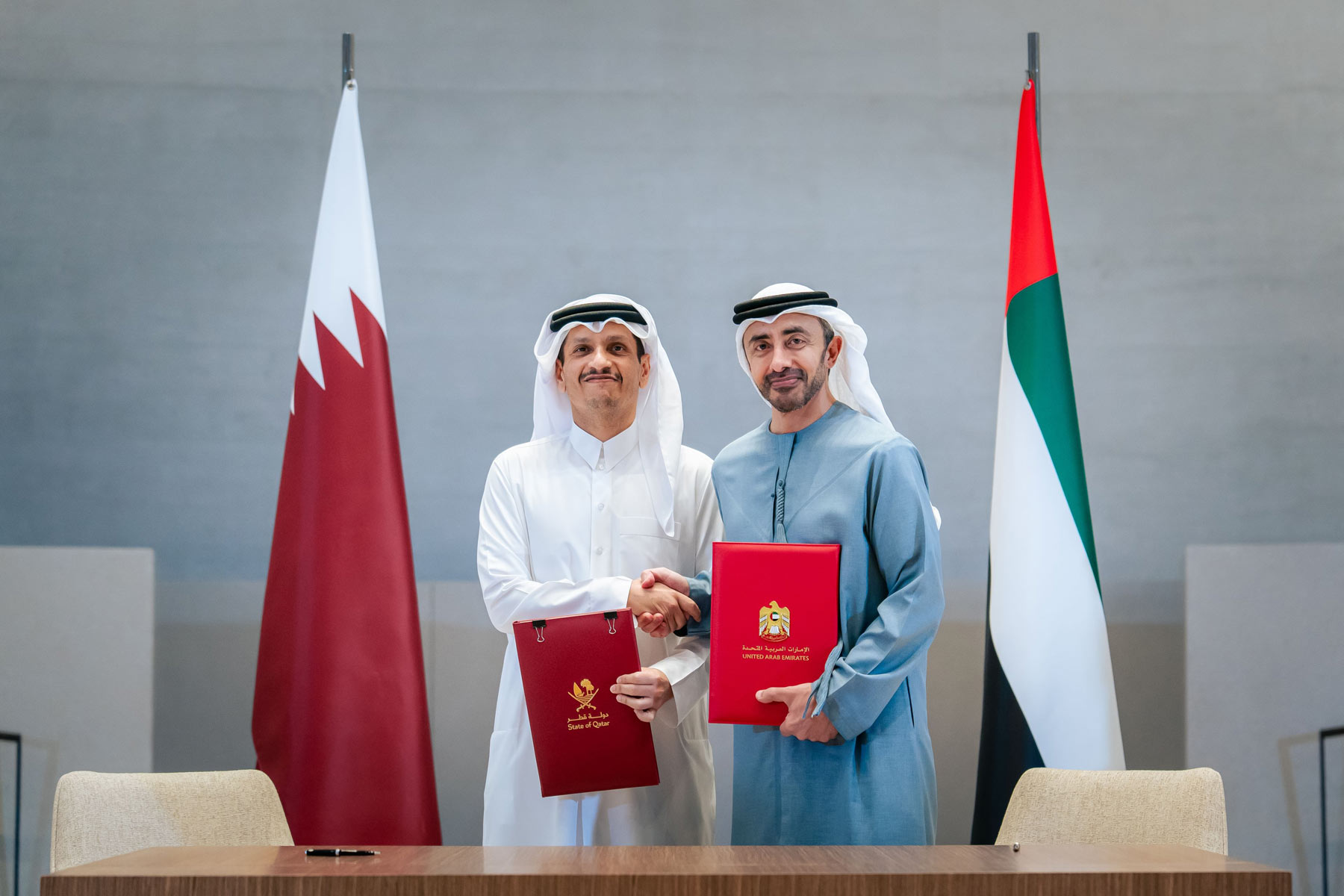
The session was co-chaired by UAE Deputy Prime Minister and Foreign Minister Abdullah bin Zayed Al Nahyan and Qatari Prime Minister and Foreign Minister Mohammed bin Abdulrahman Al Thani.
In a joint statement issued after the talks, both countries said bilateral ties were advancing “grounded in shared political will” and a commitment to mutually beneficial partnerships.
The two sides welcomed progress in financial and investment cooperation, including ongoing work on a memorandum of understanding between the finance ministries of both countries and procedures linked to a double taxation avoidance agreement.
Particular emphasis was placed on cooperation in sectors tied to the future economy, including artificial intelligence, digital transformation, cloud computing and cybersecurity, highlighting a shared Gulf ambition to diversify beyond hydrocarbons and build technology-driven economies capable of weathering geopolitical shocks.
The two countries also discussed strengthening logistical integration in air, sea and land transport, including cooperation between ports and industrial zones to facilitate trade flows and improve the resilience of supply chains that have come under severe pressure since the outbreak of the regional conflict.
In the field of food security, the UAE and Qatar agreed to deepen cooperation in agriculture and livestock sectors, support strategic reserves and coordinate efforts to ensure the availability of essential goods during crises.
Officials described the measures as part of a wider strategy to build more flexible and resilient economic systems able to withstand regional and international disruptions.
The agreements signed during the meeting included an investment promotion and protection agreement, as well as memorandums of understanding covering agriculture and food security cooperation.
The two countries also agreed to hold the eighth session of the Joint Higher Committee in Qatar at a later date to be determined through diplomatic channels.
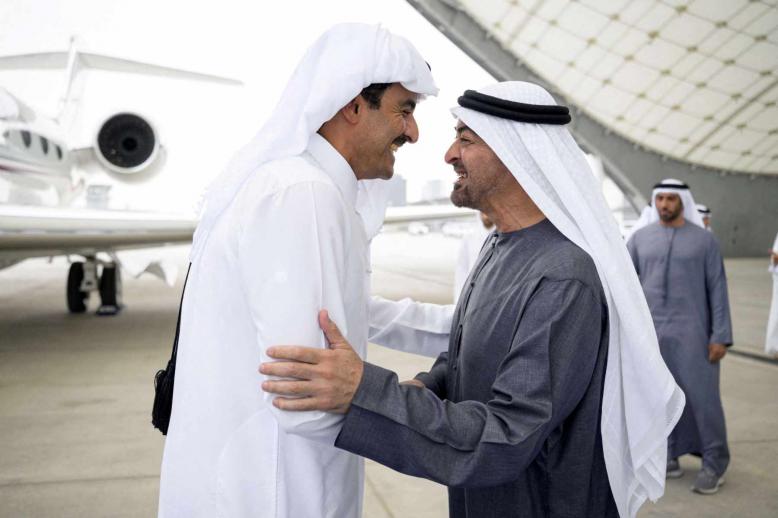
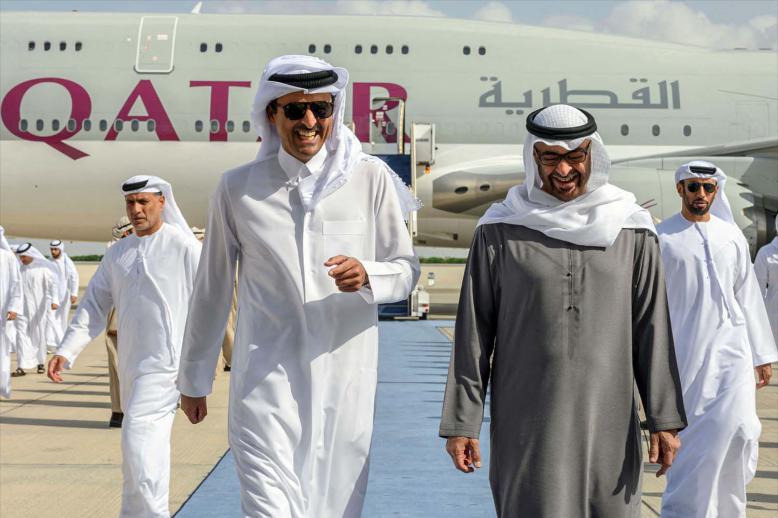
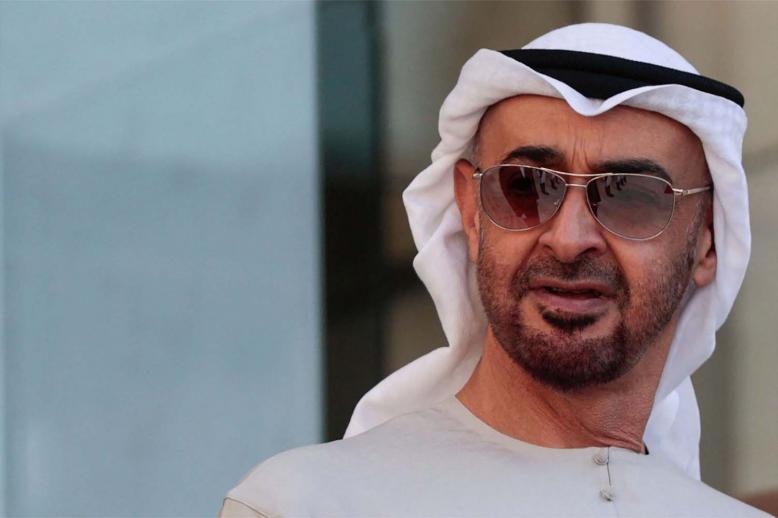
Later on Thursday, UAE President Mohammed bin Zayed Al Nahyan met the Qatari prime minister in Abu Dhabi for talks focused on bilateral cooperation and regional developments.
According to the Qatari foreign ministry, the discussions also addressed the deteriorating regional security environment and its “serious repercussions on regional and international security and stability.”
During the meeting, the Qatari premier reiterated Doha’s condemnation of renewed Iranian missile and drone attacks targeting civilian sites and facilities in the UAE.
He also held separate meetings with Abu Dhabi Crown Prince Khalid bin Mohammed bin Zayed Al Nahyan and UAE National Security Adviser Tahnoun bin Zayed Al Nahyan.
The renewed coordination between Doha and Abu Dhabi reflects what observers describe as a growing Gulf recognition that the region’s mounting security, economic and geopolitical challenges can no longer be managed through isolated national responses.
The conflict with Iran has exposed vulnerabilities across the Gulf, particularly in energy exports, maritime security and trade routes, after repeated Iranian attacks and the effective closure of the Strait of Hormuz disrupted one of the world’s most critical shipping lanes.
Analysts say Gulf states increasingly see economic integration and strategic coordination as essential tools for preserving stability and reducing exposure to future crises.
The UAE-Qatar partnership is therefore being viewed not merely as a bilateral economic initiative, but as part of a broader Gulf effort to transform regional instability into a catalyst for stronger cooperation, deeper interdependence and a more unified political and economic front.
At a time when concerns are growing over energy security, shipping corridors and the fragility of global supply chains, the agreements between Abu Dhabi and Doha send a clear message that Gulf states are seeking to reinforce regional stability through cooperation rather than fragmentation, while preparing collectively for what many officials describe as an increasingly volatile regional environment.