


This five-year performance strengthens Morocco’s position as one of the more dynamic economies in North Africa
Morocco’s economy records strong 4.5% average growth between 2021 and 2025
The Government performance review highlights a significant improvement compared to the previous period.
Tuesday 12/05/2026
This five-year performance strengthens Morocco’s position as one of the more dynamic economies in North Africa
RABAT — Morocco’s economy achieved an average annual growth rate of 4.5% during the 2021–2025 period, marking a substantial improvement over the 2.4% average recorded between 2017 and 2021, according to an official government performance review document.
The notable acceleration in economic growth comes after a challenging period marked by the COVID-19 pandemic and reflects the impact of structural reforms, major public investments, and resilience in key sectors such as industry, tourism, agriculture, and renewable energy.
Strong Recovery and Improved Performance
The document, which reviews the government’s performance over the past five years, attributes the higher growth rate to several strategic initiatives including the acceleration of the New Development Model, large-scale infrastructure projects, and continued progress in economic diversification.
Key drivers during this period included:
- Strong recovery in tourism and hospitality
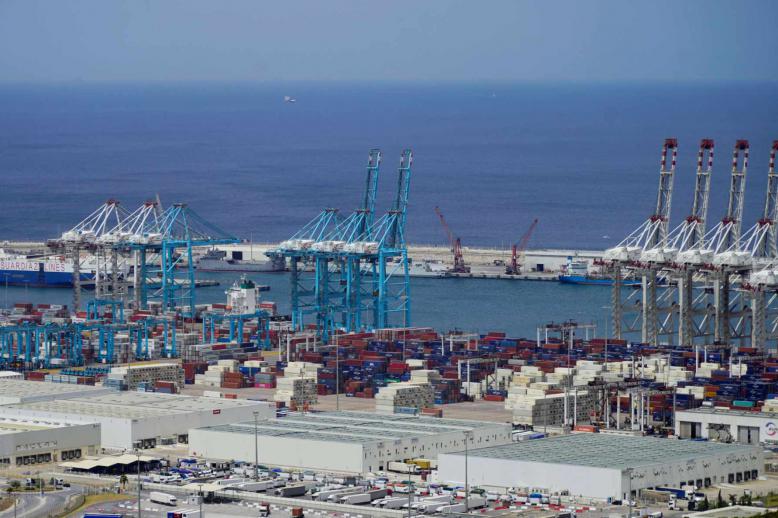
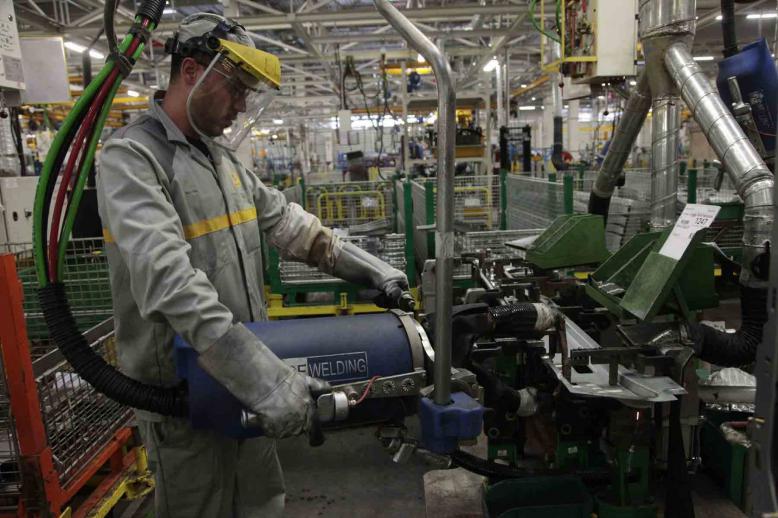
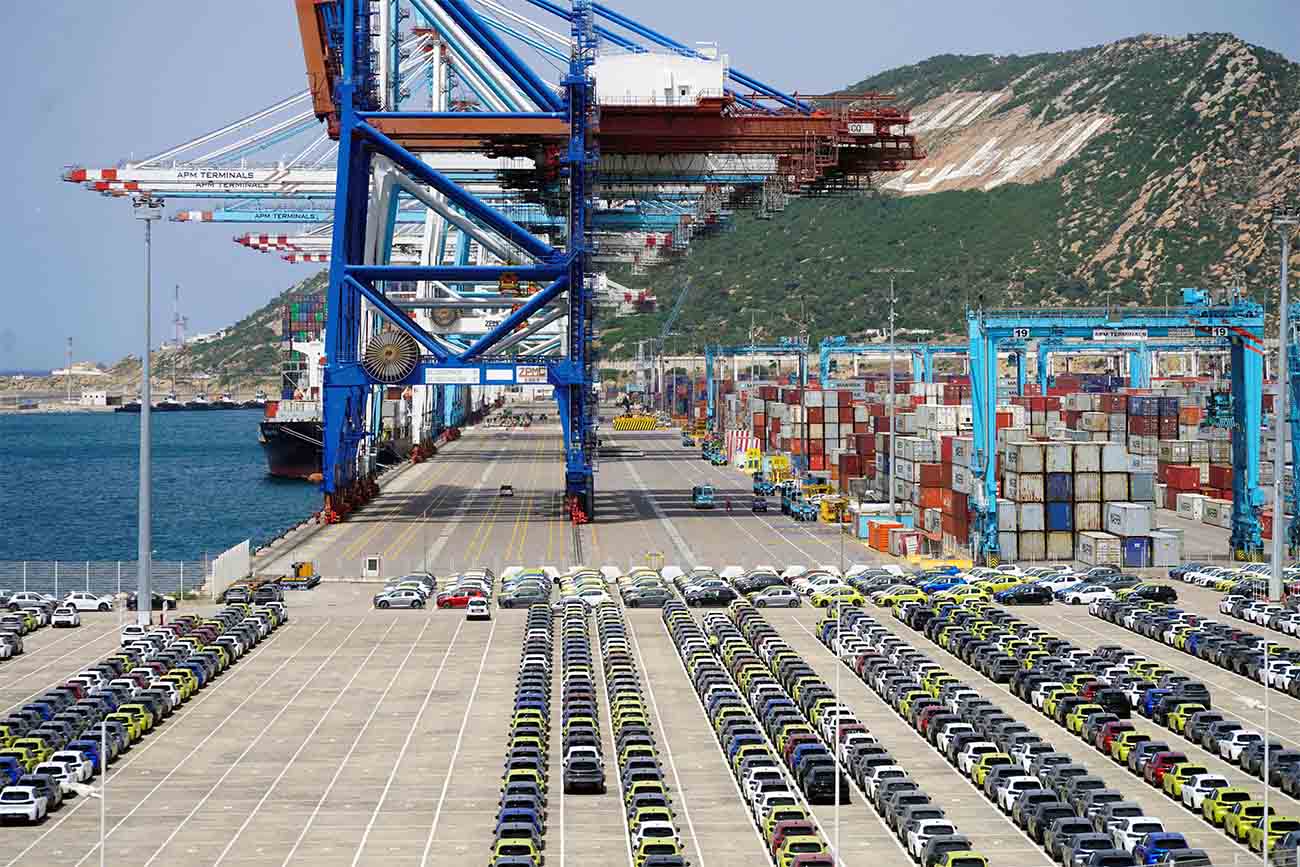
- Expansion of the automotive and aeronautics industries
- Growth in phosphate exports and related industries
- Increased investment in renewable energy projects
- Preparations for the 2030 FIFA World Cup
The review highlights that despite external shocks — such as global inflation, supply chain disruptions, and regional geopolitical tensions — Morocco managed to maintain a relatively stable growth trajectory, outperforming many regional peers.
Positive Outlook
This five-year performance strengthens Morocco’s position as one of the more dynamic economies in North Africa. The improved growth rate is expected to support job creation, poverty reduction, and increased public revenue for social programs and infrastructure development.
Economists note that sustaining this momentum will require continued focus on private sector development, enhancing competitiveness, and addressing structural challenges such as youth unemployment and climate vulnerabilities affecting agriculture.
The government is expected to use these positive results to build momentum for its next phase of reforms, particularly as the country prepares to co-host the 2030 World Cup alongside Spain and Portugal.
While the review is optimistic, analysts caution that maintaining high growth rates in the coming years will depend on global economic conditions, successful execution of ongoing reforms, and effective management of external risks.