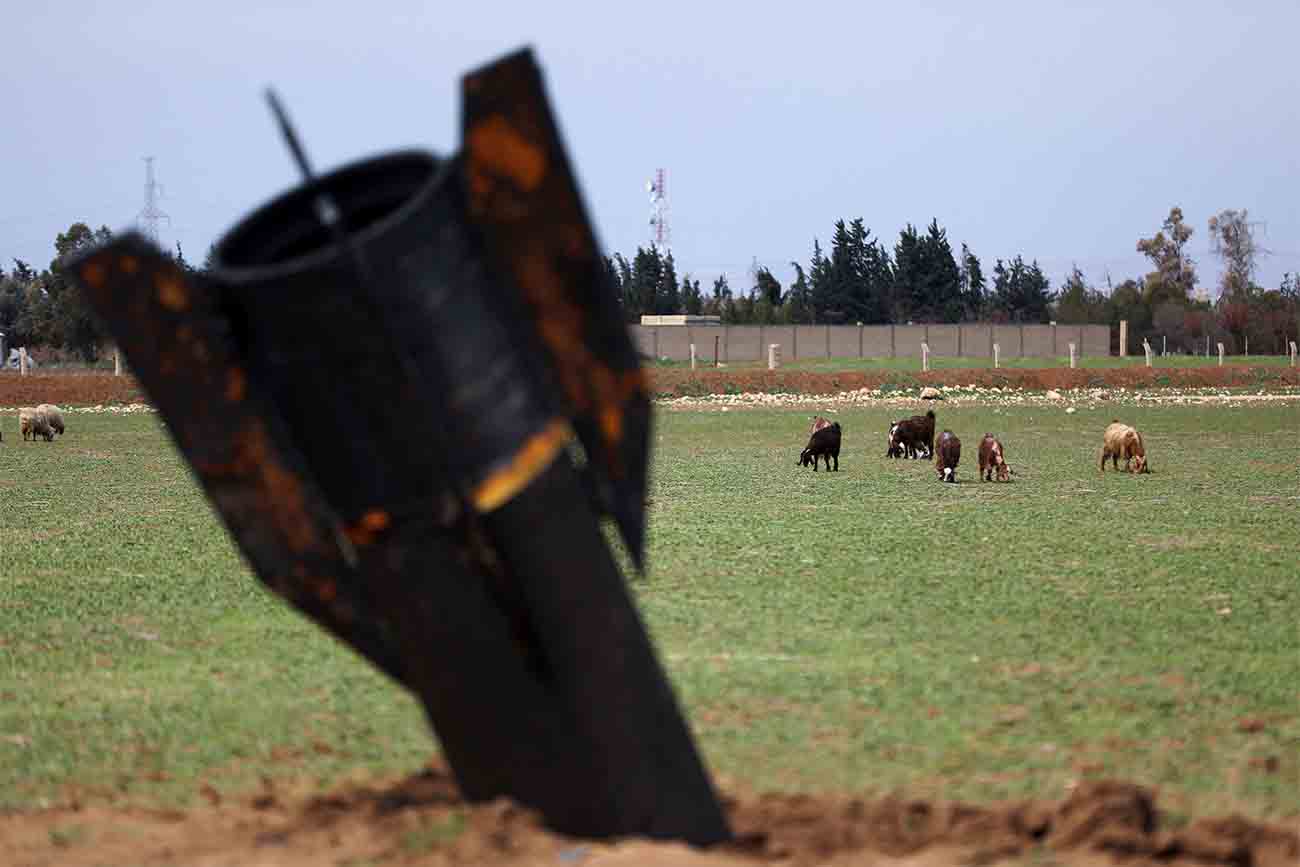
The implications of this technology "leak" are not confined to the Middle East
How captured Western tech is re-engineering the Middle East power Balance?
The battlefield in Ukraine, Yemen, and the Levant serves as a conveyor belt of technology. When a high-tech missile fails to explode or a drone is brought down via electronic jamming, it rarely stays where it falls.
Saturday 16/05/2026
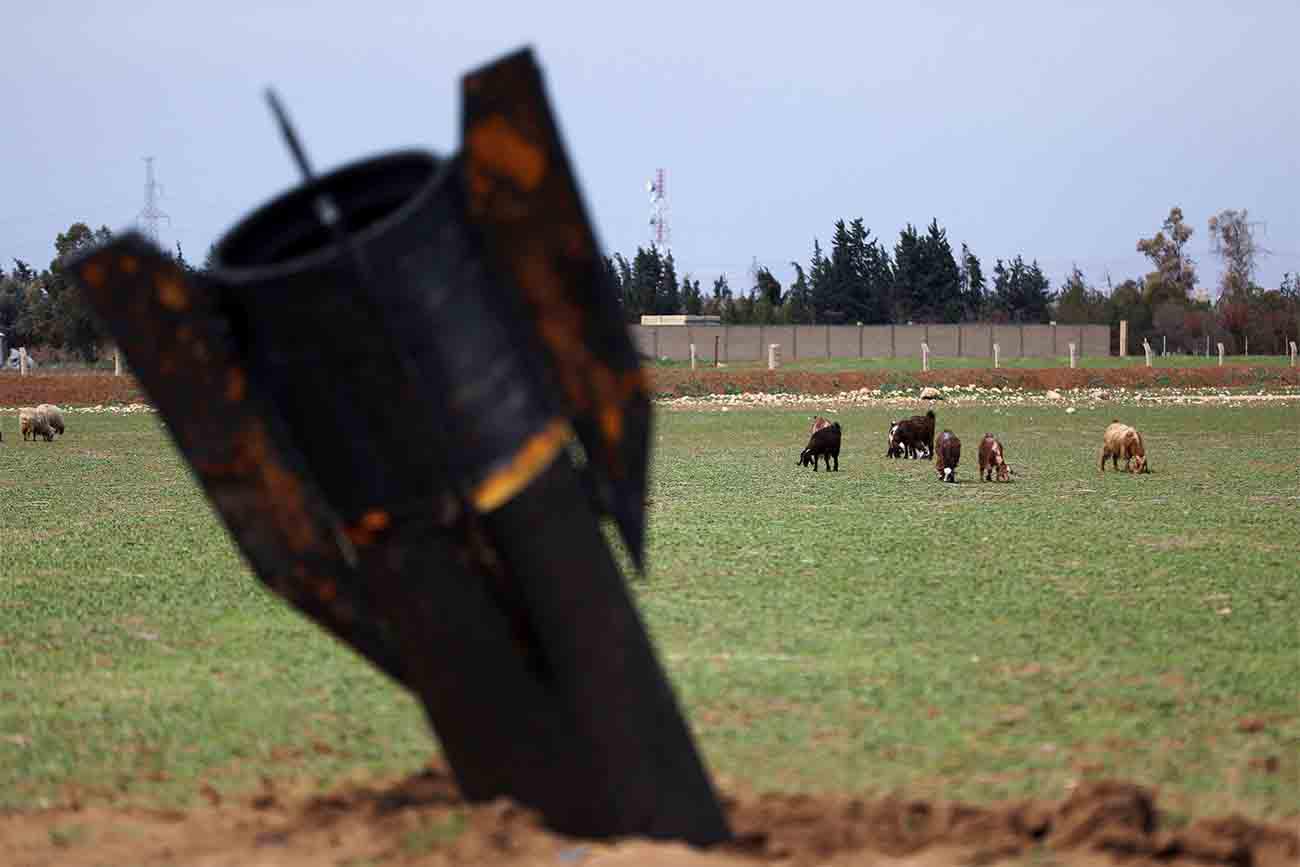
The implications of this technology "leak" are not confined to the Middle East
The modern battlefield has undergone a radical transformation. It is no longer just a theater for territorial conquest or political leverage. In the Middle East, the landscape of conflict has evolved into the world’s most sophisticated, high-stakes research laboratory. For decades, the United States and Israel maintained a significant lead in military technology. Their drones, missiles, and electronic warfare systems were considered the gold standard of modern combat. However, a new reality is emerging. Iranian media and military officials now openly claim that every Western weapon lost in the field becomes a blueprint for their own defense industry. This "reverse engineering" strategy is not just about copying hardware. It is about dismantling the myth of Western technological invincibility.
The Birth of the "Shadow Factory"
The story of Iran’s reverse engineering success began in earnest in 2011. The capture of a US RQ-170 Sentinel stealth drone was a turning point. At the time, Western analysts dismissed the idea that Tehran could unlock the secrets of such a complex machine. They were wrong. Within years, Iran produced the Shahed-171 and the Saegheh. These were not just visual replicas. They were functional platforms that utilized the captured aerodynamic data and flight control logic.
By 2026, this process has become industrialized. The battlefield in Ukraine, Yemen, and the Levant serves as a conveyor belt of technology. When a high-tech missile fails to explode or a drone is brought down via electronic jamming, it rarely stays where it falls. These fragments are transported to specialized facilities. There, engineers perform "forensic engineering." They analyze sensors, carbon-fiber structures, and guidance systems. The goal is to find the "DNA" of the weapon. Once understood, the technology is adapted to suit Iran's specific strategic needs.
Asymmetric Advantage: The Math of Modern War
The most significant impact of this trend is economic. Traditional military doctrine relies on superior, expensive technology to overwhelm the enemy. A single US or Israeli interceptor missile can cost over $2 million. In contrast, the reverse-engineered drones produced by Iran often cost less than $30,000.
This creates a "cost-imbalance" that favors the insurgent or the regional power. If an adversary must spend millions to shoot down a swarm of "cloned" drones that cost only thousands, the war becomes unsustainable for the wealthier power. This is the essence of asymmetric warfare. By reverse engineering Western tech, Iran has bypassed decades of research and development costs. They are essentially using the West’s own research budget against them.
The "Battlefield Lab" Concept
Iranian military officials frequently describe the current conflicts as a "research laboratory." This is a profound shift in perspective. In this view, a failed mission is not a total loss. If a weapon system is intercepted, the data gathered from that interception is used to upgrade the next version.
This iterative process is remarkably fast. In traditional Western defense procurement, a new software patch or hardware upgrade can take years to move through bureaucracy. In the "Shadow Factories" of the Middle East, these changes happen in months. Engineers observe how Israeli "Iron Dome" batteries or US "Patriot" systems react to certain frequencies. They then modify their reverse-engineered missiles to exploit those specific gaps. The battlefield provides the ultimate "beta test" for these innovations.
The Global Proliferation Network
The implications of this technology "leak" are not confined to the Middle East. We are seeing the rise of a new global defense axis. Technology captured in the Middle East is often shared with partners like Russia and China. In exchange, Iran receives advanced components that it cannot yet manufacture domestically.
This network has created a secondary market for military technology. It bypasses Western sanctions and export controls. When a Western weapon is captured, its secrets are no longer the property of one nation. They become part of a shared database among countries seeking to challenge the current global order. This "democratization" of high-tech weaponry means that advanced capabilities—once reserved for superpowers—are now available to a wide range of actors.
The Western Dilemma: Security vs. Capability
This situation presents a massive challenge for Western defense contractors. How do you deploy your best technology if losing just one unit could compromise your entire fleet? This fear has led to the development of "kill switches" and self-destruct mechanisms in modern electronics. However, Iranian engineers have proven adept at bypassing these safeguards.
The West is now forced into a difficult choice. They can continue to deploy high-tech systems and risk them being cloned. Or, they can hold back their most advanced tech, which leaves their forces on the ground at a disadvantage. This is a strategic stalemate. The very sophistication that makes Western weapons effective also makes them the most valuable "prizes" for reverse engineering teams.
The End of the Monopoly
The claim that the "battlefield is a research laboratory" is more than just propaganda. It is a declaration of the end of the Western technological monopoly. The era where a few nations held the keys to advanced military science is over. Through a combination of patience, forensic engineering, and strategic opportunism, Iran has built a defense industry that thrives on the leftovers of its adversaries.
As we look toward the future of conflict in 2026 and beyond, the focus will shift. It will no longer be about who has the "best" weapon, but who can adapt the fastest. The real victor in the modern age is the one who can take a piece of captured technology and turn it into a tool of defiance before the next battle begins. The laboratory is open, and the results are changing the world.