

A compromise candidate attempting to navigate a dangerous transition period
Zaidi faces impossible balancing act as Iraq’s power structure shifts
The new prime minister enters office without the solid political backing that previous Iraqi premiers typically enjoyed from Iran-linked factions.
Monday 18/05/2026
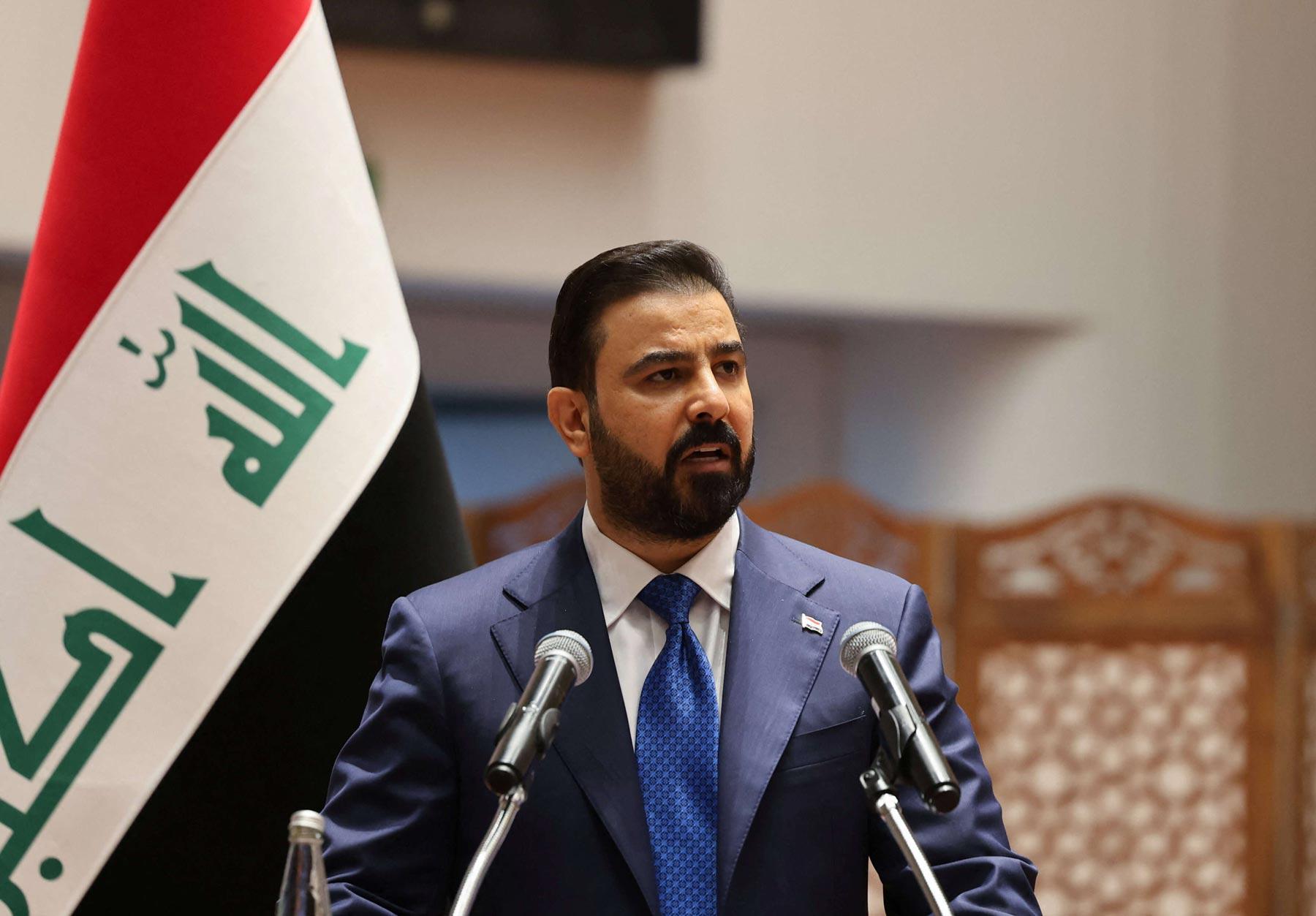
A compromise candidate attempting to navigate a dangerous transition period
BAGHDAD – Ali al-Zaidi’s rise as Iraq’s new prime minister marks more than a routine transfer of power in Baghdad. It reflects a profound shift in Iraq’s political landscape, where the old balance between Iran-backed factions, traditional Shiite alliances and American influence appears increasingly unstable.
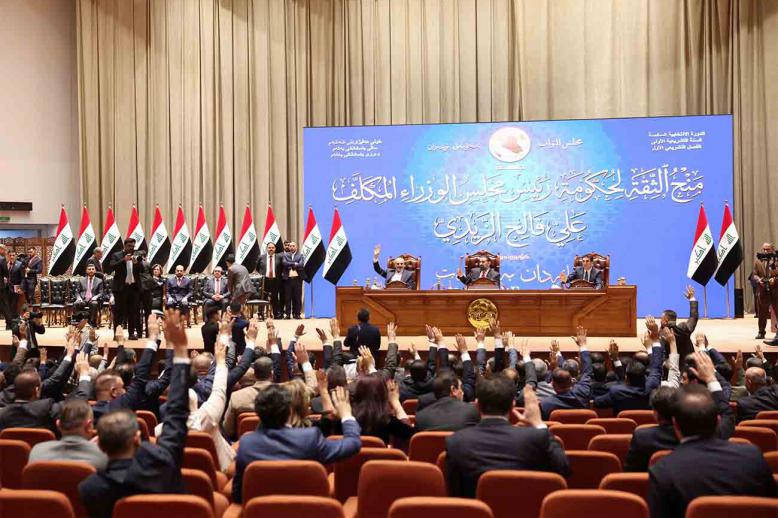
Zaidi entered office after one of the most chaotic parliamentary sessions Iraq has witnessed since the fall of Saddam Hussein in 2003. The confidence vote that was expected to launch a stable new administration instead exposed widening fractures inside the Coordination Framework, the umbrella alliance of powerful Shiite parties that has dominated Iraqi politics in recent years.
Disputes over ministerial portfolios and political influence triggered heated arguments, parliamentary withdrawals and the collapse of parts of the understandings that had underpinned the negotiations. Several ministerial nominees failed to secure enough votes, leaving Zaidi with only a partial cabinet and key ministries such as defence and interior still unresolved.
For many observers, the disorder revealed something deeper than a struggle over cabinet seats. It highlighted the weakening of the unified Shiite consensus that has traditionally shaped government formation in post-2003 Iraq.
The new prime minister enters office without the solid political backing that previous Iraqi premiers typically enjoyed from Iran-linked factions. Instead, Zaidi inherits a fragmented political environment in which competing Shiite forces are increasingly questioning the old formulas of power-sharing and challenging the dominance of entrenched political elites.
Political analyst Ahmed al-Ansari said the new government “was born in a moment of sharp division within the Shiite forces,” arguing that no stable alliance currently exists that can provide Zaidi with a coherent political umbrella.
The fractures inside Iraq’s Shiite political house coincide with broader regional transformations triggered by the US-Israeli war against Iran. Tehran’s influence inside Iraq remains significant, but many analysts believe the conflict weakened Iran’s regional leverage and reduced the room for manoeuvre available to its Iraqi allies.
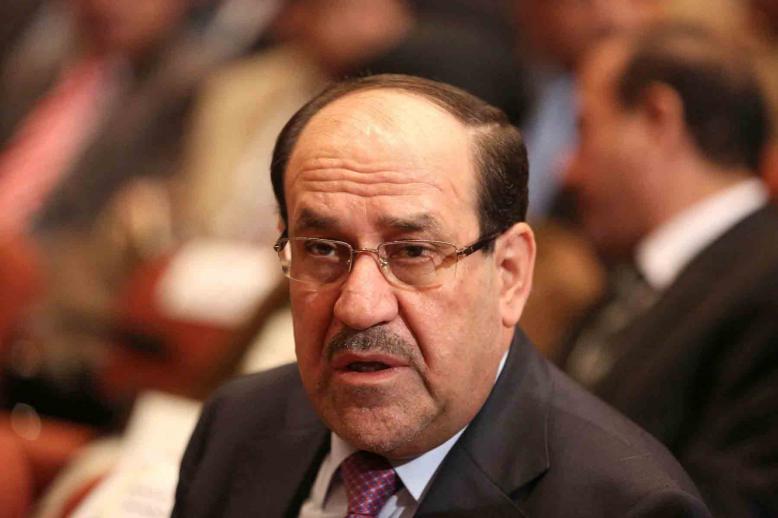
That changing reality partly explains why Washington moved aggressively to block the return of former prime minister Nouri al-Maliki, whom US officials viewed as too closely aligned with Tehran.
The pressure campaign was unusually direct. The United States reportedly suspended cash transfers linked to Iraq’s oil revenues held at the Federal Reserve Bank of New York, paused security cooperation and warned Baghdad against empowering Iran-linked figures or militias.
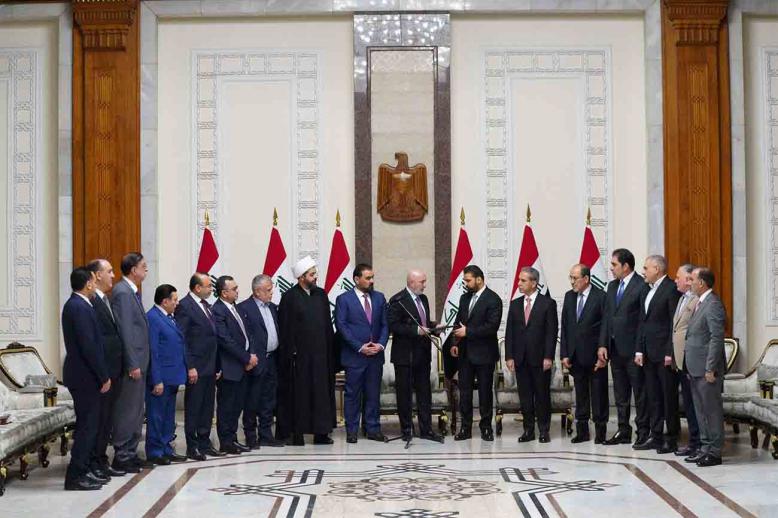
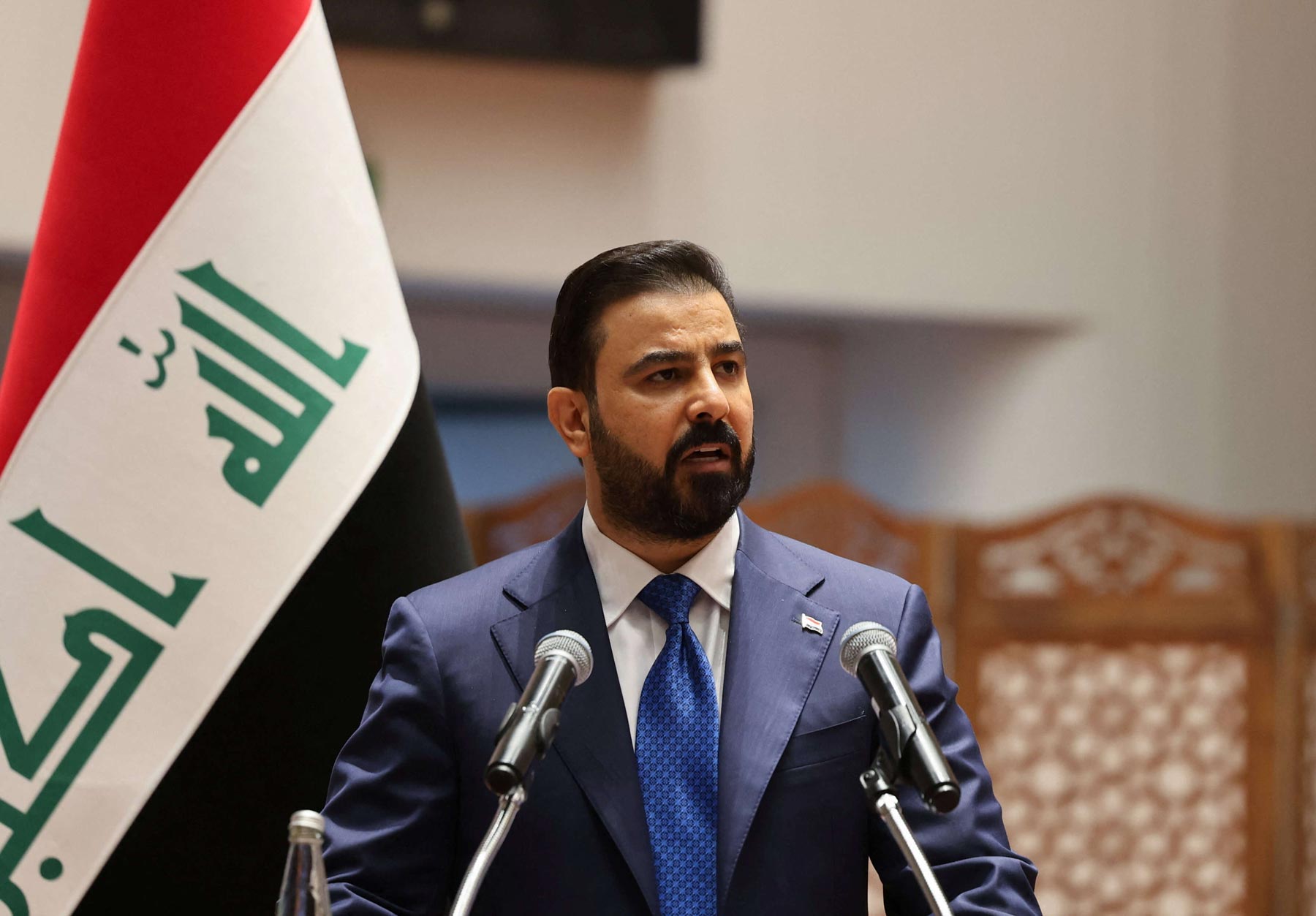
Faced with mounting pressure, the Coordination Framework abandoned attempts to reinstall Maliki and instead settled on Zaidi, a 40-year-old banker and businessman with no previous senior political experience.
US President Donald Trump quickly embraced the outcome, publicly congratulating Zaidi and presenting his appointment as evidence of Washington’s influence over Iraq’s political direction.
Zaidi’s profile helps explain why he emerged as an acceptable compromise. Unlike many Iraqi political figures, he does not carry a long history of militia affiliations or ideological alignment with Tehran. His background in finance and business also allows him to present himself as a technocratic reformer focused on economic recovery rather than factional politics.
Yet his relative neutrality may also become a weakness. Without a powerful faction firmly behind him, Zaidi risks becoming vulnerable to pressure from rival blocs, armed groups and external actors competing for influence over the Iraqi state.
His reform programme is ambitious. He has pledged to combat corruption, diversify Iraq’s oil-dependent economy, reduce unemployment, improve public services and restore investor confidence. He also promised to reinforce Iraqi sovereignty and maintain balanced foreign relations.
But translating those promises into reality will be difficult in a country where political paralysis, corruption networks and militia influence remain deeply entrenched.
The most sensitive issue facing the new government is likely to be the question of weapons outside state control. Zaidi has vowed to strengthen the state monopoly on arms and reform the security apparatus, echoing growing US demands that Baghdad curb the influence of Iran-backed armed groups.
Washington has made clear that future financial and security support depends on “concrete actions” against militias accused of attacking American interests in Iraq and the wider region.
According to US officials, Iran-aligned factions launched more than 600 attacks against US facilities following the outbreak of the war against Iran earlier this year. Washington retaliated with strikes against militia positions, further escalating tensions inside Iraq.
The issue has already exposed deep divisions among Iraqi political forces. Some factions have signalled openness to integrating fighters into formal state structures, while others reject any discussion of disarmament under what they describe as American coercion.
Hussein Mounes, head of a parliamentary bloc close to Kataeb Hezbollah, condemned what he called “clear and direct US interference in shaping the political scene”, insisting that the issue of weapons could not be resolved through external pressure.
At the same time, Iraq faces mounting economic pressure. Disruptions in the Strait of Hormuz have damaged oil revenues that account for roughly 90 percent of the state budget, while years of dependence on public sector spending have left the economy vulnerable to external shocks.
Analysts believe Zaidi may attempt to weaken militia networks through economic measures, including restricting state-funded salaries paid to thousands of fighters. But any such move would carry major political and security risks.
Regionally, the new government must also repair strained relations with Gulf Arab states angered by attacks carried out by Iran-linked factions during the recent conflict.
Zaidi’s repeated emphasis on building “a balanced country, regionally and internationally” reflects the difficult balancing act now confronting Baghdad. Iraq remains caught between two rival powers, Iran and the United States, while its internal political order grows increasingly fragmented.
The deeper significance of Zaidi’s rise may therefore lie less in his personal profile than in what it reveals about Iraq’s evolving power structure. The old post-2003 political system, built around relatively stable alliances and strong factional discipline, appears to be weakening under the combined weight of regional conflict, economic crisis and internal fragmentation.
For now, Zaidi represents a compromise candidate attempting to navigate a dangerous transition period. Whether he succeeds may depend not only on his reform agenda, but on whether Iraq’s fractured political forces, and their foreign backers, are prepared to accept a new balance of power.