

Search for recognition faces challenges
Israel deepens ties with Somaliland despite regional opposition
Some Somaliland residents expressed concern that ties with Israel could undermine the territory’s push for wider international recognition.
Tuesday 19/05/2026
Search for recognition faces challenges
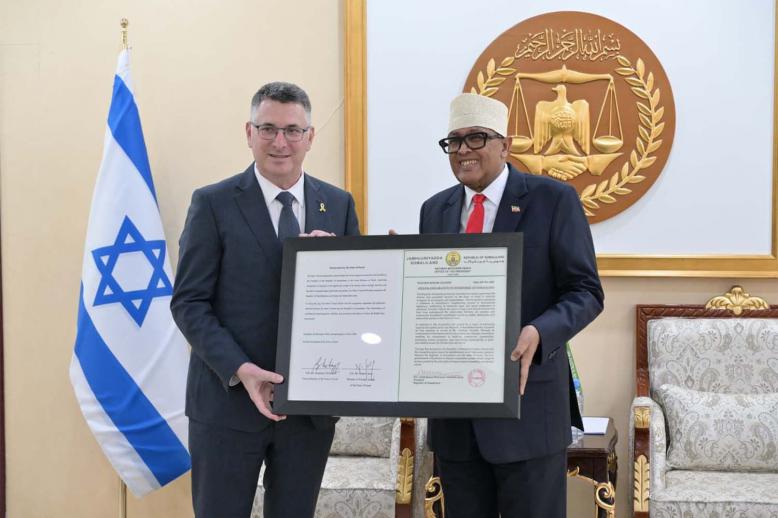
JERUSALEM/MOGADISHU – Israeli President Isaac Herzog received the credentials of Somaliland’s first ambassador to Israel on Monday, deepening ties with the breakaway Somali region in a move that has heightened tensions across the Horn of Africa.
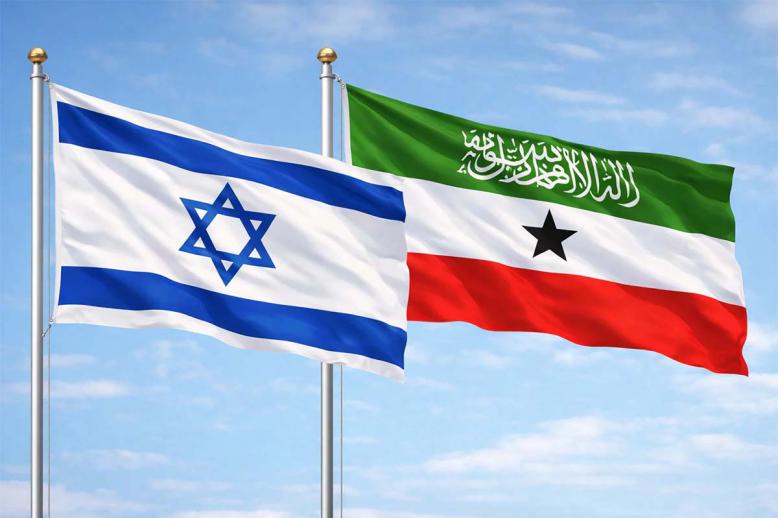
The ceremony in Jerusalem came one year after Israel became the first country to recognise Somaliland as an independent state.
Ambassador Mohamed Hagi presented his credentials to Herzog, who described the relationship as “a unique opportunity” to expand dialogue with Muslim countries in the region.
“The incredible joy of the people of Somaliland shown upon Israel’s recognition of your nation warmed our hearts,” Herzog said, according to a statement from his office.
He added that Israel would support Somaliland in areas including food security, energy and science.
Somaliland declared independence from Somalia in 1991 after the collapse of Somalia’s central government, but it has not won broad international recognition.
Israel’s recognition in December 2025 was welcomed by Somaliland authorities, who hoped other countries including the United States, Gulf Arab states and Ethiopia would follow suit. No further recognition has yet materialised.
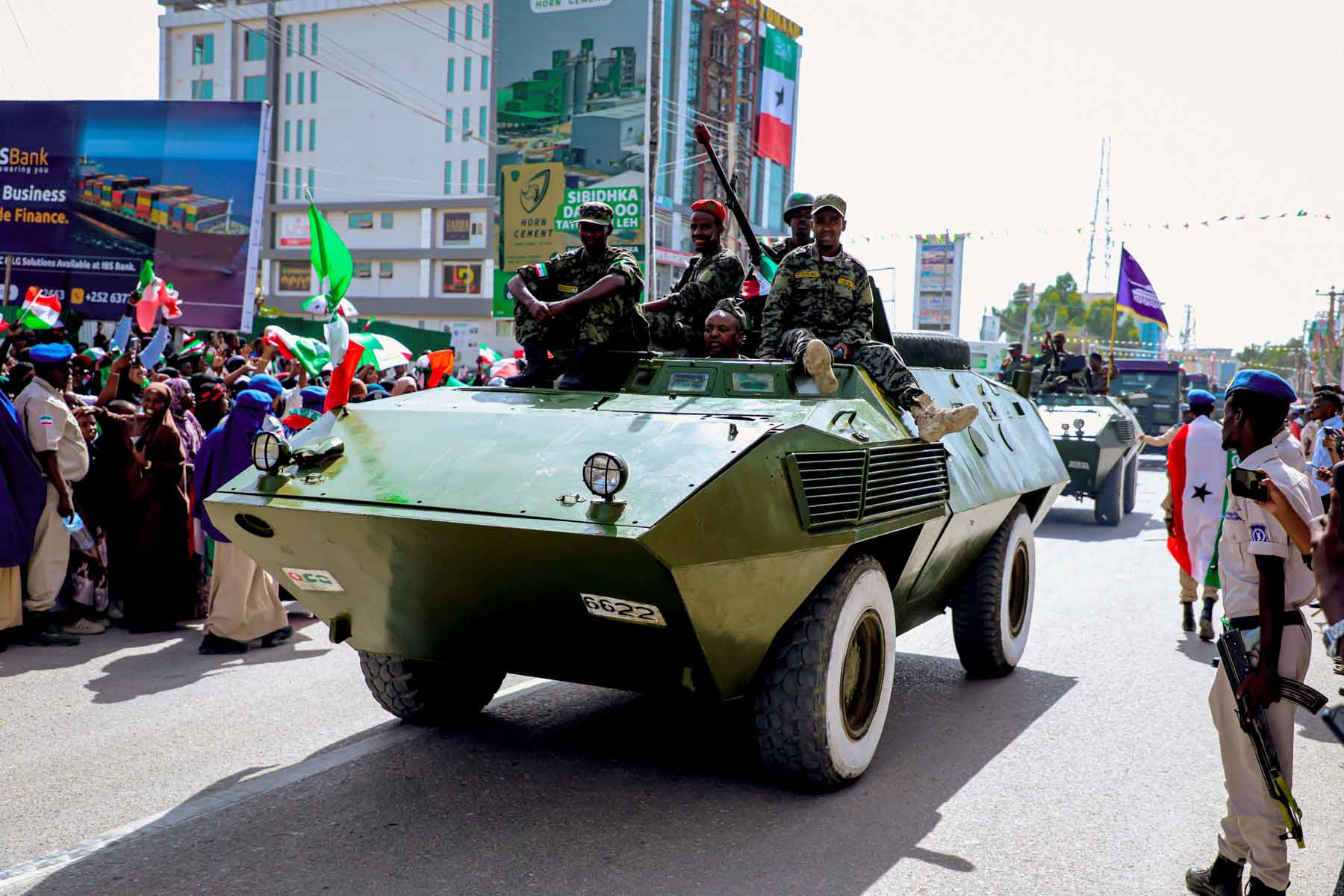
Thousands gathered in Somaliland’s capital Hargeisa on Monday to mark the anniversary of independence with military parades, traditional dances and speeches.
President Abdirahman Mohamed Abdullahi said Somaliland had proven itself to be “a responsible, peaceful, law-abiding and democratic nation.”
But the relationship with Israel has divided opinion inside Somaliland, whose population is overwhelmingly Muslim, particularly amid Israel’s ongoing war in Gaza.
Protests broke out in the western city of Borama following Israel’s recognition, with reports that dozens of people were arrested. Clerics criticising ties with Israel and youths carrying Palestinian flags were also detained, according to local activists.
The African Union and most international partners oppose Somaliland’s secession, fearing recognition could encourage separatist movements elsewhere in Africa.
The territory also faces internal security challenges. Somaliland does not fully control all areas it claims, particularly in eastern regions disputed by the recently formed North East State of Somalia.
Clashes between Somaliland forces and local clans there in 2023 killed and wounded hundreds or possibly thousands and displaced about 200,000 people, according to Amnesty International.
Ahmed Ali Shire, a North East State parliament member speaking from Las Anod, warned that tensions could escalate again.
“The conflict will reignite,” he said, adding that Israel’s involvement risked repeating patterns of foreign interference that fuelled Somalia’s civil war in the 1980s.
Some Somaliland residents also expressed concern that ties with Israel could undermine the territory’s push for wider international recognition.
“Somaliland fought hard for its independence, but I can’t trust Benjamin Netanyahu,” said Dahir Omar Bile, a resident of Hargeisa.
“When Israel recognised us, everyone assumed the West would follow. But that did not happen.”
Others fear security repercussions after Yemen’s Iran-backed Houthi movement threatened to strike Somaliland if Israel establishes a military presence there.
“The Houthi threats have many people scared,” Bile said.
Ambassador Hagi described the new relationship with Israel as strategic and said it would strengthen development, political and security cooperation between the two sides.