

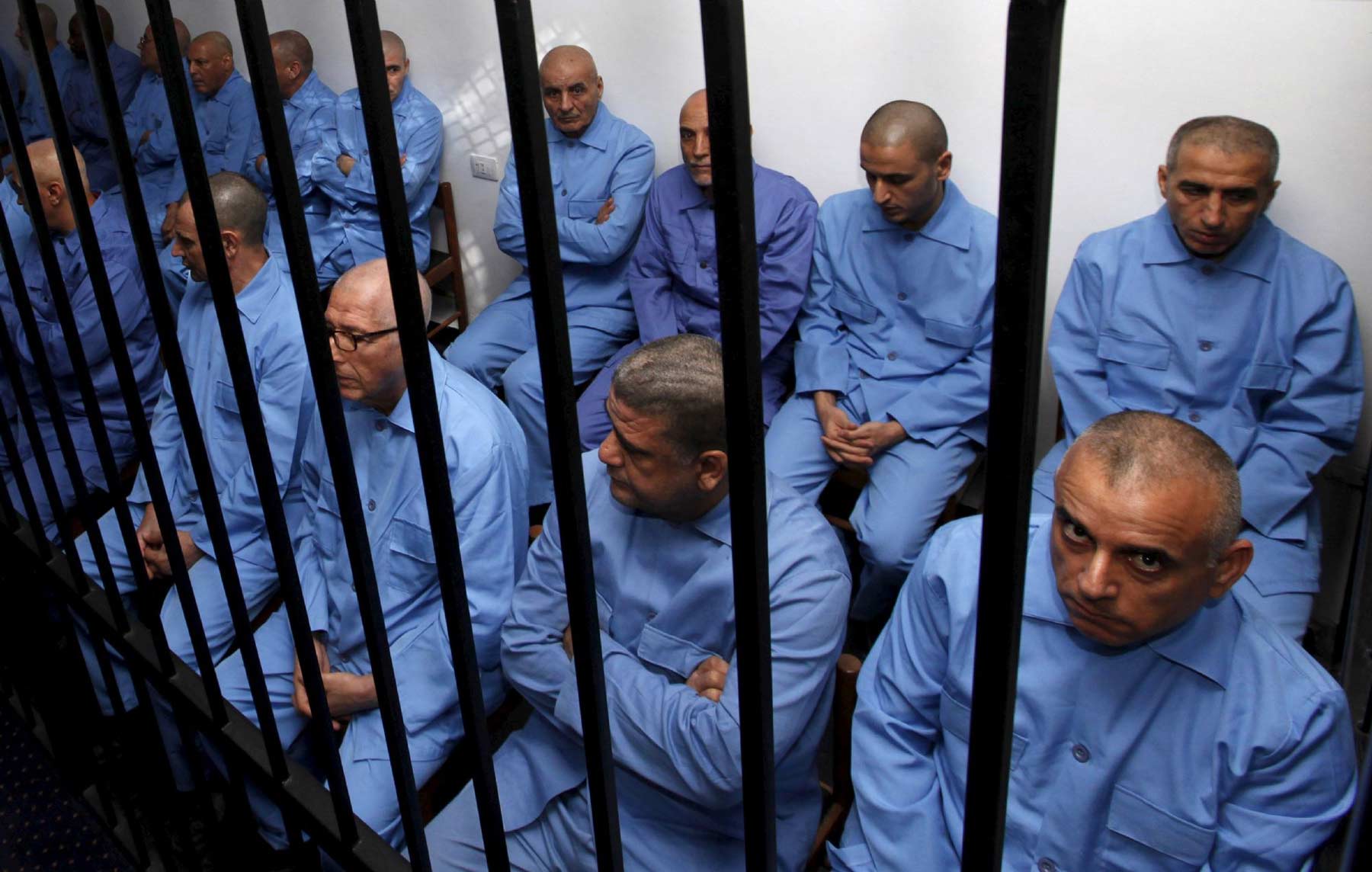
Libya’s judicial system has operated for years amid political fragmentation
Libya acquits ex-Gadhafi aides, reopening debate over accountability
Many victims’ families and rights groups say crimes committed during the uprising and subsequent conflict remain unpunished.
Wednesday 20/05/2026
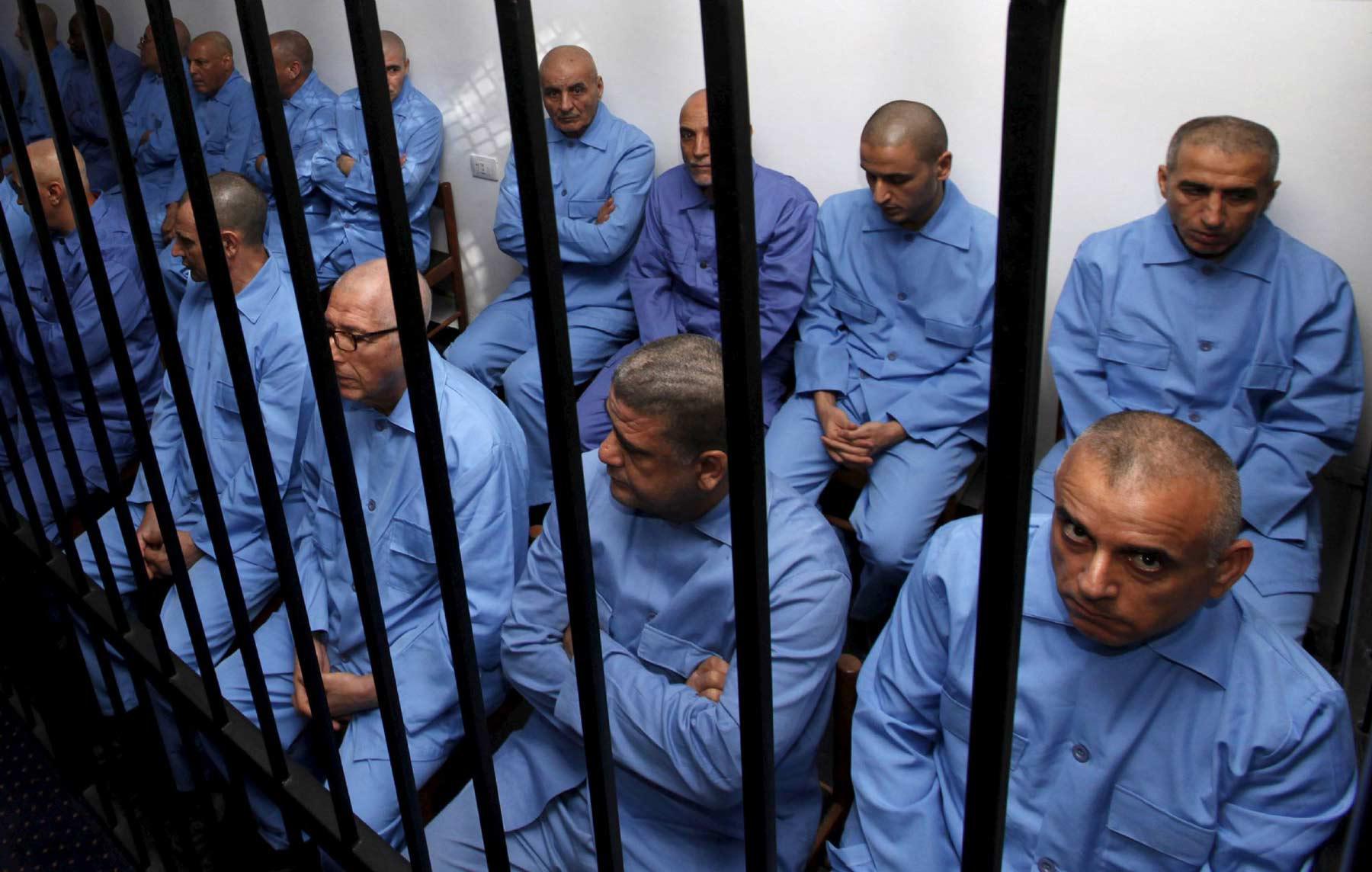
Libya’s judicial system has operated for years amid political fragmentation
TRIPOLI – A Libyan appeals court has acquitted 31 former officials from the regime of late leader Muammar Gathafi on charges linked to the suppression of protesters during the 2011 uprising, reopening debate over accountability and transitional justice nearly 15 years after the revolution.
The ruling by the Tripoli Court of Appeal overturns one of Libya’s most controversial post-revolution cases, which began in 2014 and initially resulted in death sentences and lengthy prison terms against several senior former regime figures in 2015.
Those acquitted include former intelligence chief Abdullah al-Senussi, former prime minister Baghdadi al-Mahmoudi and other prominent officials including Mansour Daw, Mohamed Abu al-Qasim al-Zawi and Mohamed Ahmed al-Sharif.
The court also dropped proceedings against several former officials who died before the verdict was issued, including former External Security Agency chief Abu Zeid Dorda and former deputy prime minister Abdelhafiz al-Zlitani.
Charges against Saif al-Islam Gathafi were also dropped following his reported killing in February.
The defendants had faced charges including killing unarmed protesters, incitement to civil war, looting and other crimes related to the 2011 uprising that ended Gathafi’s 42-year rule.
In 2015, a Tripoli court sentenced several defendants, including Senussi and Saif al-Islam, to death by firing squad, while others received prison terms. Human rights organisations criticised the proceedings at the time, saying the trial took place amid armed conflict, institutional collapse and serious due process violations.
Libya’s Supreme Court later overturned the convictions and referred the case back to the appeals court, where deliberations continued for more than four years.
The acquittals have triggered sharp reactions in Libya, where many victims’ families and rights groups say crimes committed during the uprising and subsequent conflict remain unpunished.
Supporters of the former regime welcomed the ruling, arguing it demonstrated that earlier prosecutions were politically motivated and tied to efforts to settle scores after the fall of Gathafi.
Senussi, extradited from Mauritania in 2012, still faces separate proceedings linked to the 1996 Abu Salim prison massacre, one of the most notorious alleged crimes of the Gathafi era. He is also wanted by the International Criminal Court.
The case has highlighted the difficulties facing Libya’s judicial system, which has operated for years amid political fragmentation, armed factionalism and competing governments.
Libya has remained divided since the 2011 uprising, with rival political authorities and armed groups competing for influence across the country after repeated failures to hold national elections and unify state institutions.