

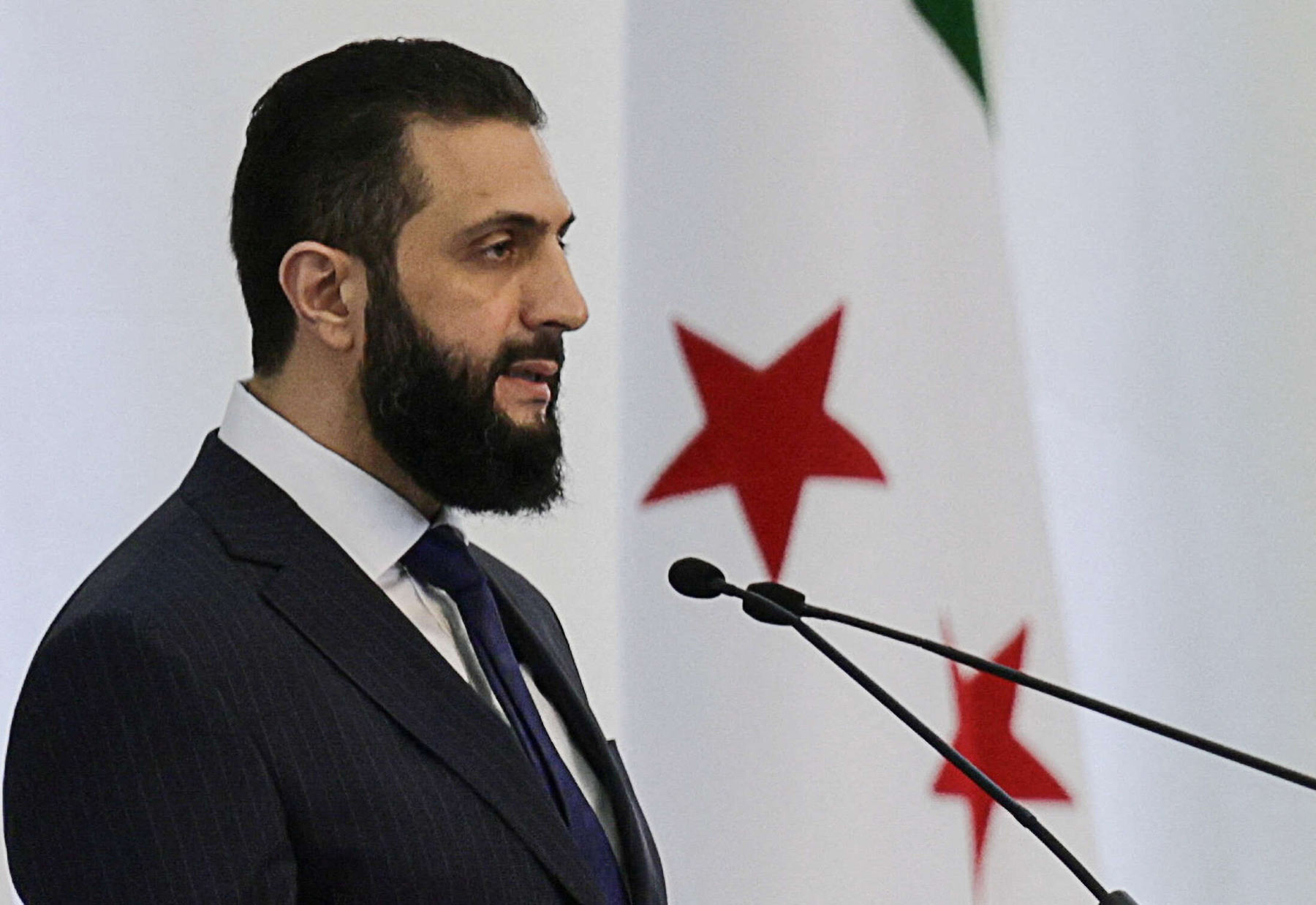
The decision carries strong political symbolism
Syria reaffirms anti-Israel trade ban despite indirect talks
The move comes as the region faces heightened tensions linked to the war in Gaza and continued Israeli military activity in Syria.
Wednesday 20/05/2026
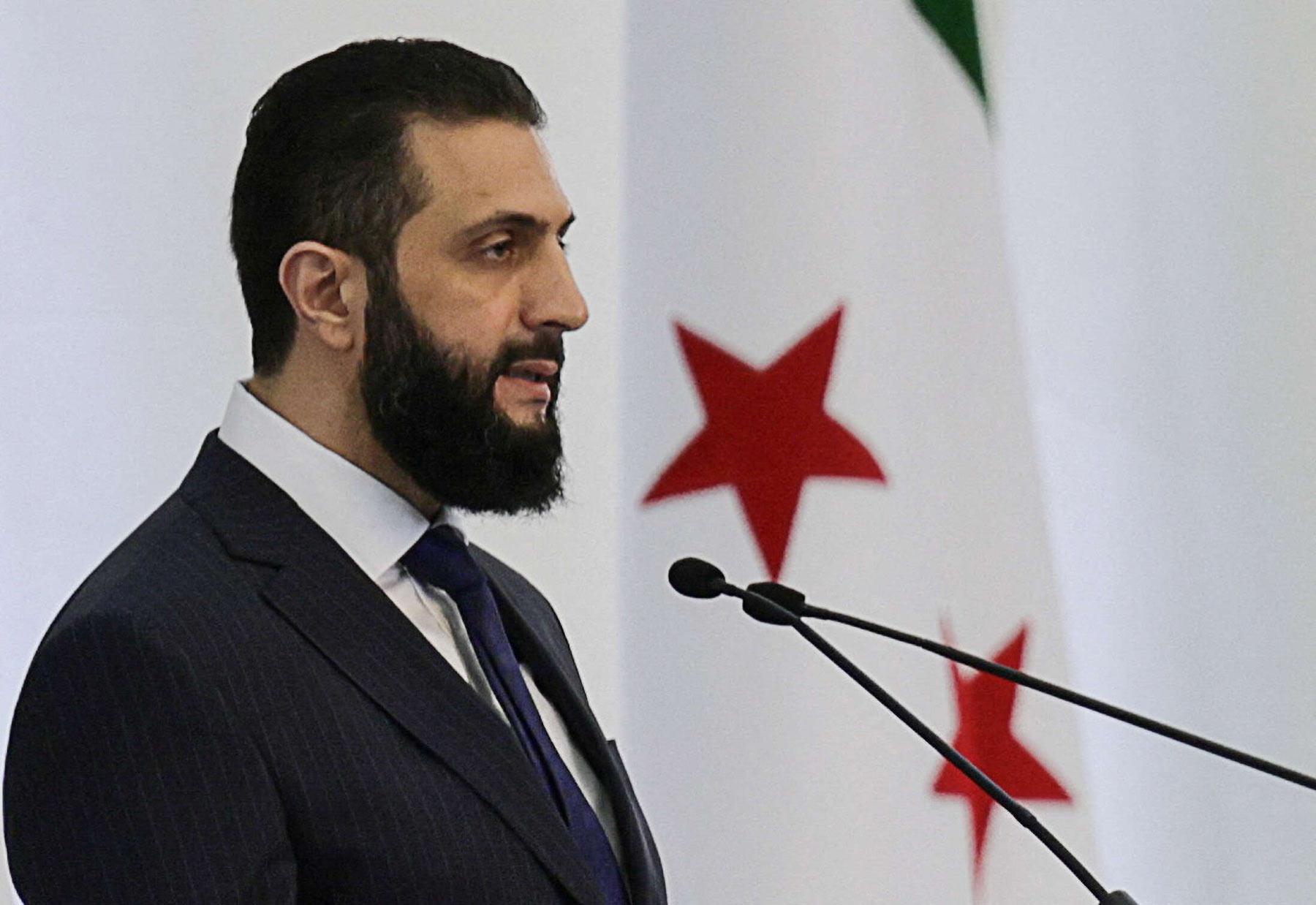
The decision carries strong political symbolism
DAMASCUS – Syrian President Ahmed al-Sharaa has issued a new customs decree banning Israeli goods from entering Syria, reinforcing Damascus’s long-standing economic boycott of Israel amid regional tensions and shifting Middle East alliances.
According to the decree published by Syria’s state news agency, Article 112 prohibits the entry of goods into the joint Syrian-Jordanian free zone if they violate boycott laws against Israel or public order regulations.
The law also states in Article 206 that customs courts will apply expedited enforcement procedures in cases involving narcotics, weapons and Israeli goods, placing Israeli products among categories treated by Syrian authorities as national security threats.
The decree reflects Syria’s continued adherence to anti-Israel boycott laws dating back to the 1950s, when the Arab League adopted measures aimed at blocking economic cooperation with Israel.
While several Arab countries have eased or suspended parts of those policies in recent decades, Syria has maintained one of the region’s strictest positions against trade or economic engagement with Israel.
The move comes as the region faces heightened tensions linked to the war in Gaza and continued Israeli military activity in Syria.
Since the Syrian conflict began in 2011, Israel has carried out repeated air strikes on Syrian territory targeting sites linked to Iran and allied groups.
The decree also coincides with efforts by Damascus to reorganise its customs and trade systems after years of economic collapse, sanctions and widespread smuggling during the war.
Analysts say the practical economic impact of the measure may be limited because direct trade between Syria and Israel is already negligible, but they argue the decision carries strong political symbolism.
It signals that Damascus continues to frame economic dealings with Israel as a matter of national security and political sovereignty rather than commercial policy.
The decree comes despite indirect talks between Syria and Israel under US mediation.
Sharaa said earlier this year that negotiations with Israel were “progressing with great difficulty” because of disagreements over Israeli military presence on Syrian territory.
Syrian Foreign Minister Asaad al-Shaibani said this month that negotiations had not yet produced results but expressed hope for a future “calm and stable relationship” with Israel.
Israeli and Syrian officials have not announced any breakthrough in talks, which are reportedly focused on arrangements linked to the 1974 buffer zone and security issues near the occupied Golan Heights.