



The diplomatic push by Turkey comes at a moment of growing uncertainty
Turkey pushes NATO unity as US moves to scale back commitments
Despite the unease, a senior NATO diplomat said allies still believed there remained an understanding that the United States would come to Europe’s aid if necessary.
Wednesday 20/05/2026
The diplomatic push by Turkey comes at a moment of growing uncertainty
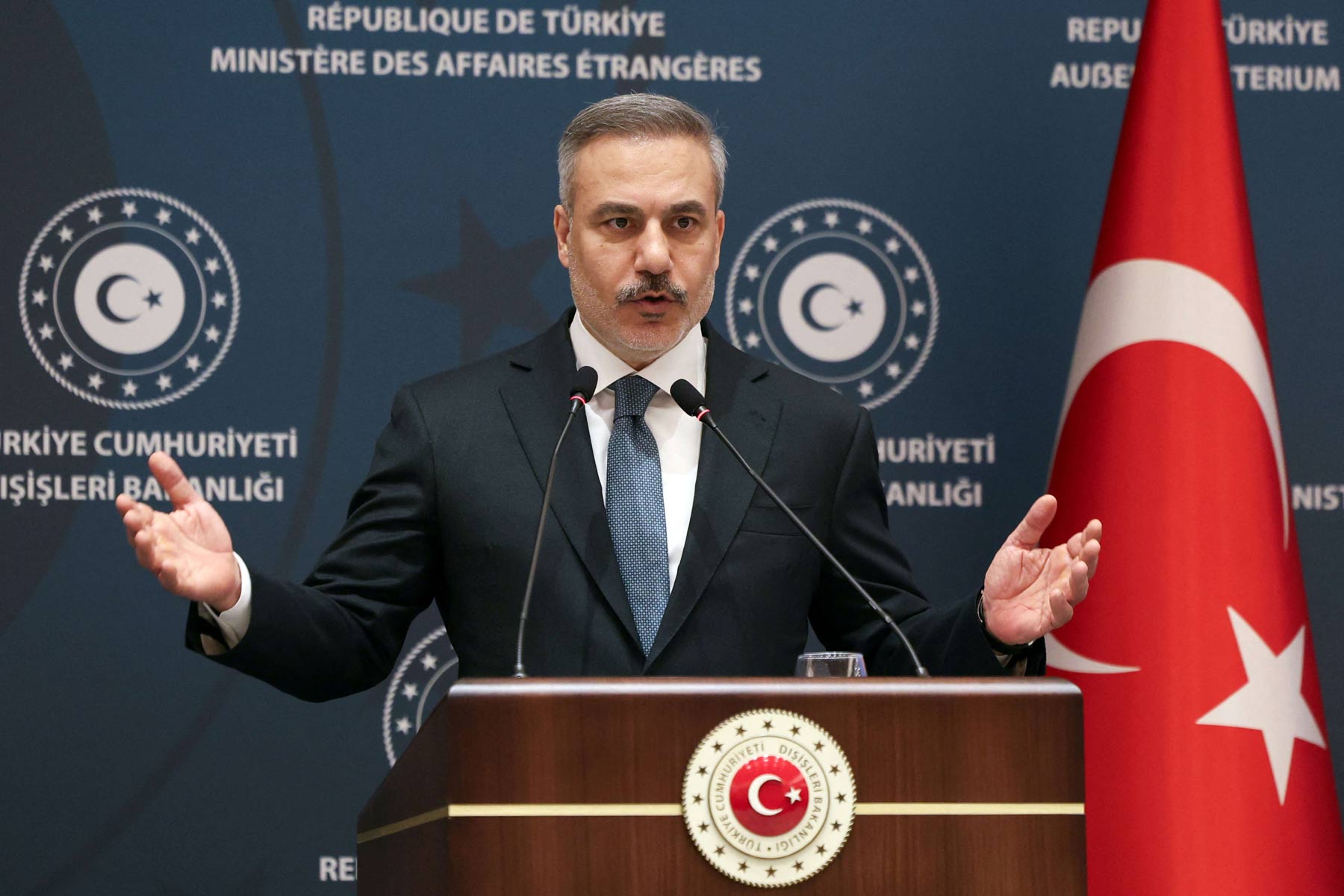
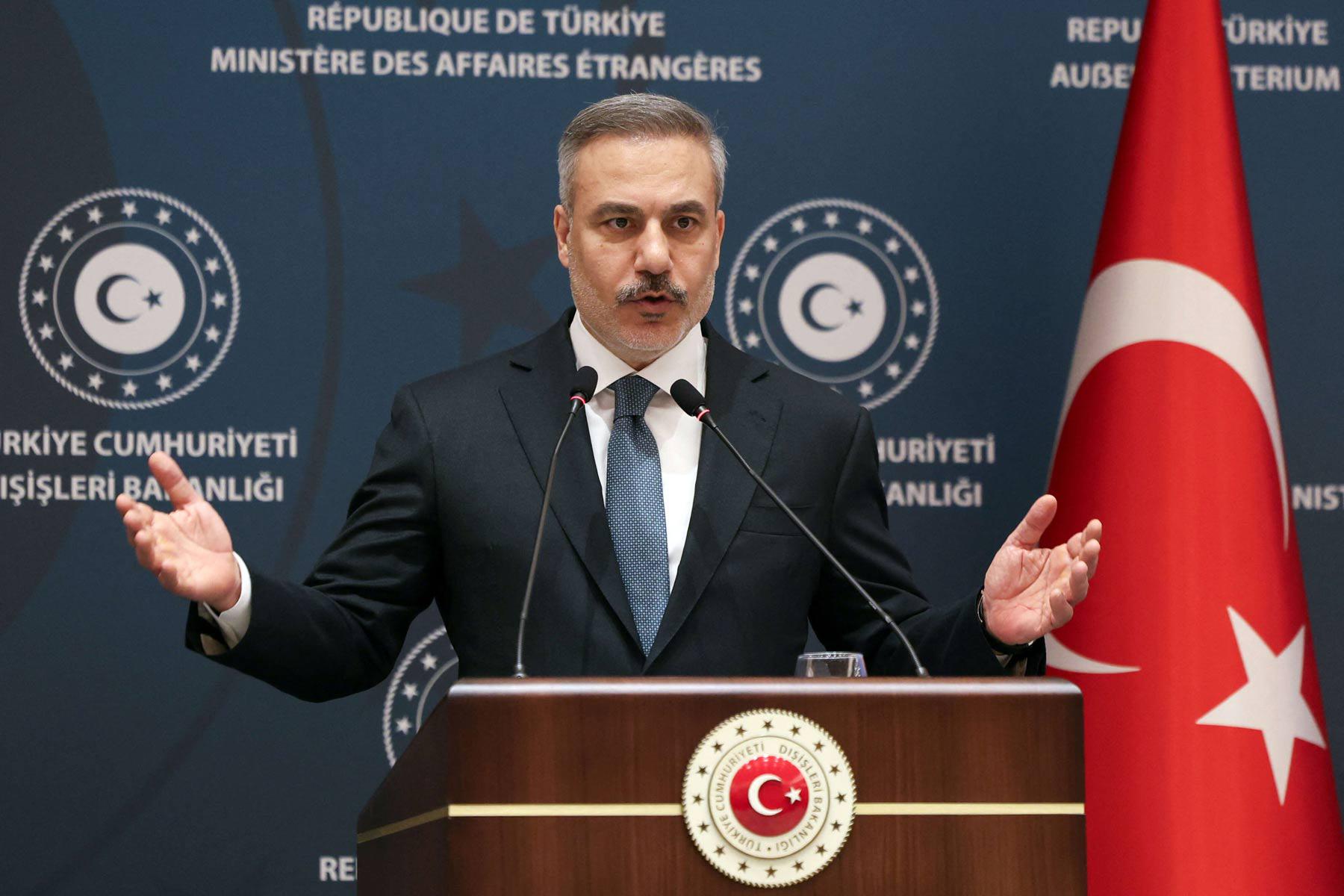
ANKARA/BRUSSELS – Turkish Foreign Minister Hakan Fidan will tell NATO foreign ministers this week that the next NATO leaders’ summit, set for Ankara in July, should reaffirm the alliance’s unity and integrity, Turkish officials said, as the Trump administration prepares to scale down the pool of military capabilities the United States would make available to defend Europe during a major crisis.
Fidan will attend a meeting of NATO foreign ministers on Thursday and Friday in Helsingborg, Sweden, ahead of the NATO leaders’ summit that Turkey will host in Ankara on July 7-8.
During the meeting of NATO foreign ministers, Fidan will share Turkey’s expectations regarding the Ankara summit and brief allied countries on Turkey’s efforts to ensure that it serves as a high-level event reaffirming NATO’s unity and integrity, a Turkish foreign ministry source said on Wednesday.
Fidan will also provide information on Turkey’s contributions to NATO and highlight “Turkey’s best practices regarding the conversion of defence expenditure into capabilities.”
He is also expected to emphasise the need to develop transatlantic defence industry cooperation within NATO without any restrictions, underlining Ankara’s longstanding call for fewer political barriers and export controls among allies.
A separate Turkish diplomatic source said members of the Istanbul Cooperation Initiative (ICI), a NATO partnership forum involving several Middle Eastern countries, as well as Japan, New Zealand, South Korea and Australia, known collectively as the Indo-Pacific Four, may be invited to the Ankara summit at foreign minister level.
The source said all NATO allies would agree in the coming days on the summit invitees and that the issue may be discussed during the meeting in Sweden.
The diplomatic push by Turkey comes at a moment of growing uncertainty inside the alliance after the Trump administration decided to reduce the US military commitments available under the NATO Force Model, the alliance’s framework for identifying forces that can be activated during war or major crises.
Three sources familiar with the matter said the Pentagon had decided to significantly scale down its commitment under the model, although the exact composition of those wartime forces remains classified.
US President Donald Trump has repeatedly argued that European countries should assume primary responsibility for the continent’s security and reduce their dependence on Washington.
The administration is expected to formally present its intentions during a Friday meeting of defence policy chiefs in Brussels, according to the sources.
The US will likely be represented by Alex Velez-Green, a key aide to Pentagon policy chief Elbridge Colby, who has publicly maintained that the United States would continue extending its nuclear deterrent to NATO allies even as Europeans assume greater responsibility for conventional military forces.
Adjusting the NATO Force Model has emerged as a key priority for Colby’s team ahead of the Ankara summit, one source said, making the gathering in Turkey a potentially pivotal moment for the future balance of transatlantic security responsibilities.
Speaking in Brussels, Mark Rutte said he was not permitted to disclose details of the upcoming US announcement but acknowledged that the move was “to be expected” as NATO sought to “end the over-reliance … on one ally” for its defence.
“This was to be expected, I think it’s only right that it happens,” Rutte said.
The Pentagon did not immediately respond to requests for comment.
The developments have intensified concerns among some European governments that Washington may gradually reduce its long-term security role on the continent. In recent weeks, the Trump administration announced plans to cut around 5,000 US troops from Europe, including cancelling the deployment of an Army brigade to Poland, a decision criticised by several US lawmakers.
One source and another person familiar with the matter said aides on Capitol Hill were already aware of and concerned about the Pentagon’s plans to narrow its commitments under the NATO Force Model.
Despite the unease, a senior NATO diplomat said allies still believed there remained an understanding that the United States would come to Europe’s aid if necessary.
The alliance nevertheless faces one of the most delicate moments in its recent history, with tensions rising over burden-sharing, Trump’s push for greater European military spending and growing political disagreements across the Atlantic.
Trump and several senior aides have repeatedly criticised European allies for relying too heavily on the United States for conventional defence while underinvesting in their own militaries, even as Washington continues to maintain tens of thousands of troops across Europe.
Transatlantic tensions have also been fuelled by Trump’s ambition to take control of Greenland, a Danish overseas territory, as well as an increasingly public dispute with German Chancellor Friedrich Merz, who has sharply criticised Trump’s war with Iran.
European allies argue they are significantly increasing defence spending and military capabilities but insist that replacing decades of reliance on US power cannot happen overnight.
Against this backdrop, Turkey appears determined to use the Ankara summit to reinforce NATO cohesion at a time when the alliance is confronting profound strategic uncertainty and redefining the future of US-European security ties.