

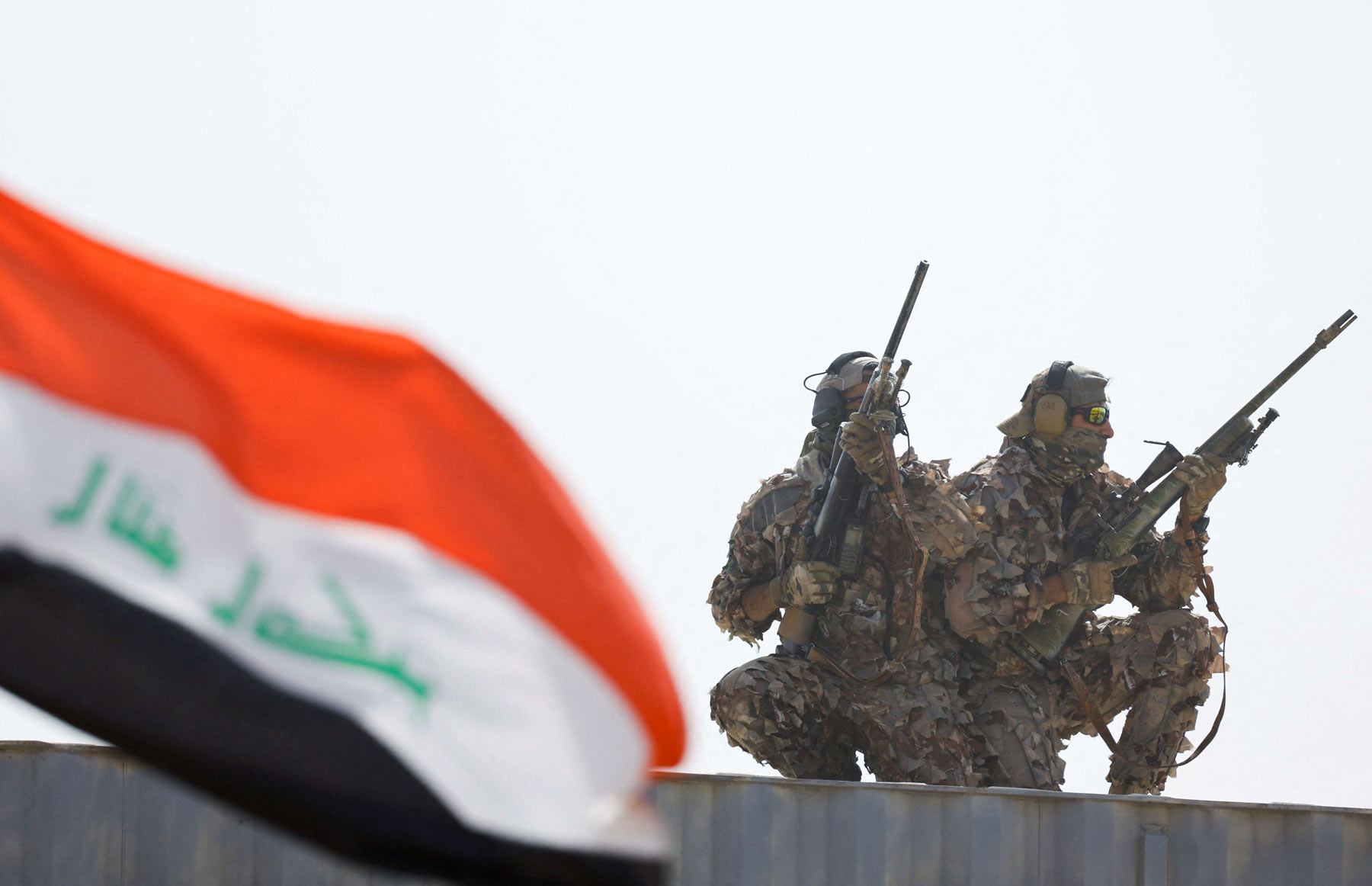
A shift from a purely security-based strategy to one that combines preventive measures
Iraq turns to prevention, rehabilitation in fight against extremism
The legislation is built around the idea of preventing extremist ideas from developing into violent behaviour by introducing mechanisms for early diagnosis and gradual intervention.
Thursday 21/05/2026
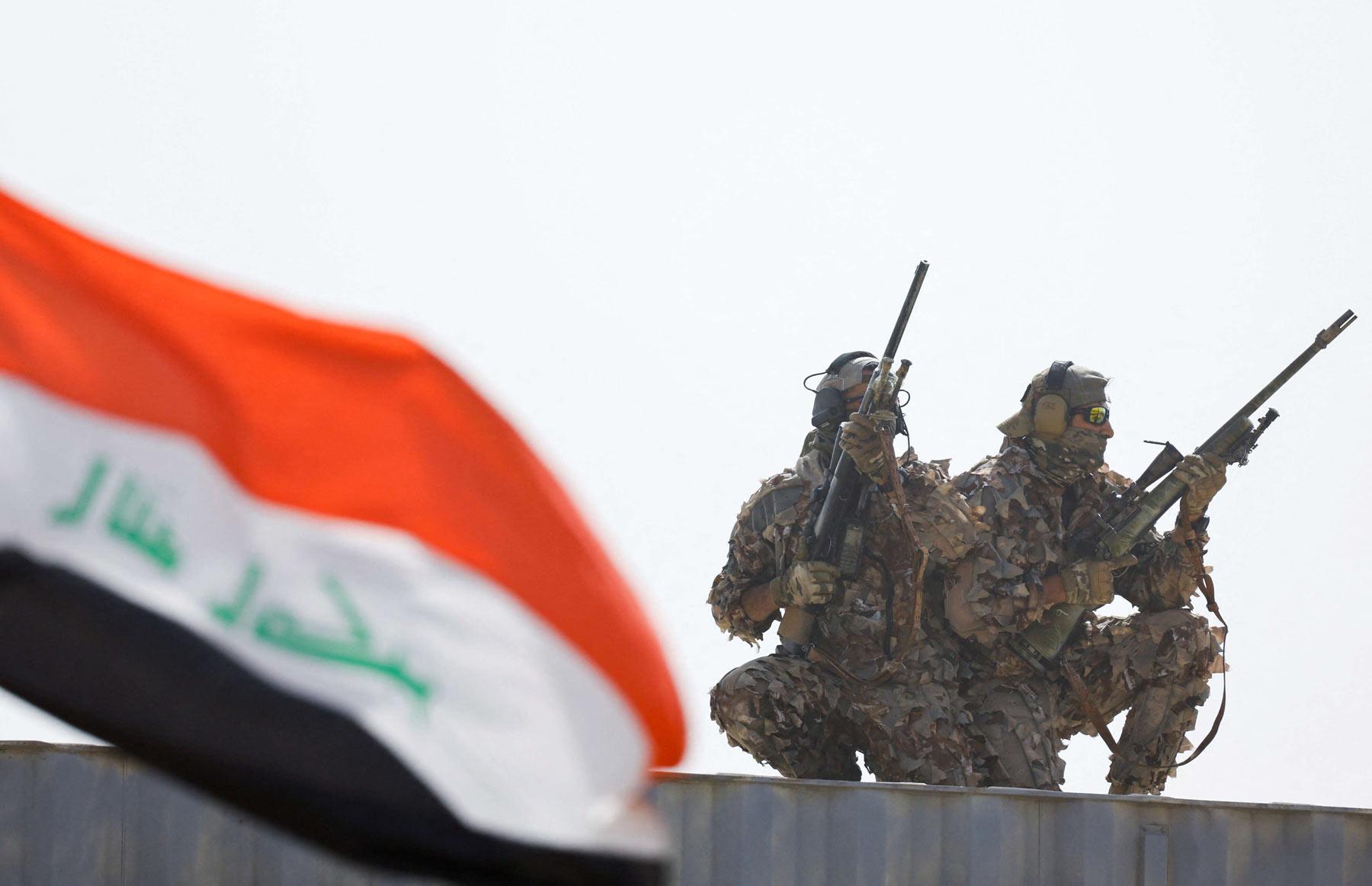
A shift from a purely security-based strategy to one that combines preventive measures
BAGHDAD – Iraq is moving towards a new approach in confronting extremism through draft legislation focused on preventing violent radicalisation before it evolves into terrorism, marking a significant shift from a purely security-based strategy to one that combines preventive, social and intellectual measures alongside traditional counterterrorism efforts.
The Iraqi National Committee to Combat Violent Extremism Leading to Terrorism announced that it had completed work on a draft law titled “Prevention of Violent Extremism Leading to Terrorism” after nearly two years of study and consultations, paving the way for the legislation to enter the parliamentary process.
The proposed law seeks to establish a legal framework for early detection and preventive intervention aimed at addressing signs of extremism before they escalate into incitement or acts of violence.
Ali Abdullah Al-Badiri, chairman of the National Committee, said Iraq currently lacks specialised legislation dedicated specifically to preventing violent extremism, noting that existing laws focus primarily on combating terrorism after crimes have already occurred.
He said the new draft is intended to fill that gap by dealing with extremism in its early stages through preventive and rehabilitative measures rather than relying solely on punitive responses.
The legislation is built around the idea of preventing extremist ideas from developing into violent behaviour by introducing mechanisms for early diagnosis and gradual intervention in cases showing signs of ideological or behavioural radicalisation.
The draft also includes rehabilitation measures, psychological and intellectual reform programmes, financial penalties and alternative sanctions instead of depending exclusively on conventional criminal punishments.
One of the central provisions of the law is the creation of specialised rehabilitation centres tasked with monitoring and supporting individuals considered vulnerable to radicalisation or exposed to incitement and extremist rhetoric.
The centres would aim to reintegrate such individuals into society and prevent them from drifting towards violence.
The move reflects growing recognition within Iraq that security measures alone are no longer sufficient to confront extremism, particularly after the country’s traumatic experience with the Islamic State group and the profound social, political and ideological consequences left by years of conflict.
While military campaigns succeeded in weakening extremist organisations on the battlefield, Iraqi officials increasingly acknowledge that they did not entirely eliminate the ideological and social environments that allow radicalisation to re-emerge.
Observers say the project forms part of a broader Iraqi effort to build a long-term strategy targeting the roots of extremism, especially amid continuing economic, social and political challenges that can create fertile ground for radical ideologies, particularly among young people.
The initiative also aligns with growing international trends towards adopting policies centred on preventing violent extremism through awareness campaigns, rehabilitation and community resilience instead of relying exclusively on military and security tools.
Several countries have introduced similar programmes in recent years aimed at limiting the spread of extremist ideologies through education, counselling and social reintegration initiatives.
The latest phase of Iraq’s efforts was highlighted during a workshop held in Erbil from May 17 to 19, bringing together government officials, legal experts, academics, parliamentarians and international partners to advance work on the legal framework.
The event was presented as an important milestone in Iraq’s transition from reactive counterterrorism policies towards prevention and rehabilitation.
The United Nations Development Programme (UNDP), which has supported Iraq’s efforts alongside the European Union and Sweden, stressed during the workshop that preventing violent extremism requires balancing security concerns with the protection of fundamental rights and freedoms.
“Security and human rights are not in competition; they must work together,” UNDP representatives said, warning that laws based solely on punishment risk undermining public trust and could unintentionally fuel further radicalisation.
Over the past year, UNDP has worked with Iraq’s National Committee to review existing legislation through a human rights lens, adapt prevention strategies to Iraq’s local realities and strengthen engagement with communities, religious leaders and tribal figures.
Badiri described the workshop as “the culmination of two years of effort,” bringing together Iraqi and international experts to finalise a preventive legal framework designed to address “early warning signs of violent extremism.”
Judge Naser Omran of Iraq’s Supreme Judicial Council said the draft represented “a shift from a counter-extremism strategy to a preventive one”, adding that it departs from a purely criminal approach and introduces a model not previously tested in the region.
At the same time, the project has raised questions among some rights advocates over how laws regulating extremist discourse might affect freedom of expression and public liberties.
Critics warn that broad or vague definitions of extremism could potentially be used to restrict opinions or political positions if not carefully framed.
However, Iraqi officials insist the legislation is designed to respect personal freedoms and human rights and does not target legitimate political or intellectual expression.
The National Committee says the law focuses specifically on preventing incitement, takfiri rhetoric and speech that threatens social peace or encourages violence.
Badiri stressed that the draft does not treat individuals as criminals merely for holding certain views, but instead relies on prevention and community protection through early intervention before extremist tendencies develop into actual crimes.
Analysts believe the effectiveness of the law will ultimately depend not only on legal texts but also on Iraq’s ability to implement genuine rehabilitation programmes and create social and economic conditions that reduce marginalisation and exclusion, factors often exploited by extremist groups for recruitment.
The success of the initiative will also hinge on how clearly extremism is defined and how preventive interventions are regulated to ensure a balance between safeguarding national security and preserving civil liberties.
If passed, the legislation would mark a major shift in Iraq’s management of the extremism file, moving from a reactive security model towards a preventive strategy aimed at containing radicalisation before it becomes a direct threat to stability and public security.