

Pakistan’s role as mediator has been viewed as a diplomatic achievement for Islamabad
Qatar denies running Iran-US backchannel, backs Pakistan mediation
Qatar’s clarification came amid reports of mistrust between Islamabad and Tehran, with Pakistani officials reportedly frustrated by Iran’s engagement with multiple regional channels.
Friday 22/05/2026
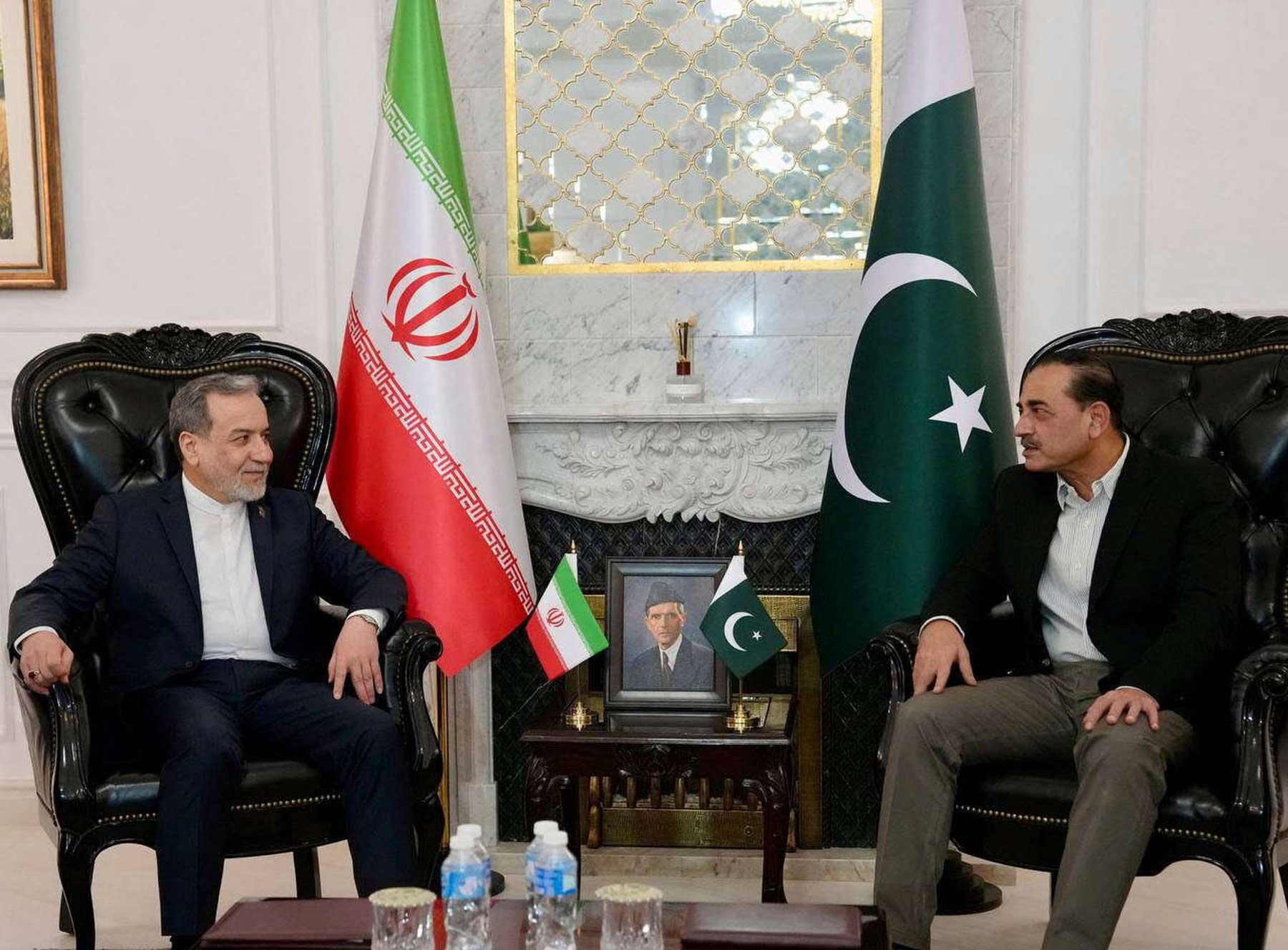
Pakistan’s role as mediator has been viewed as a diplomatic achievement for Islamabad
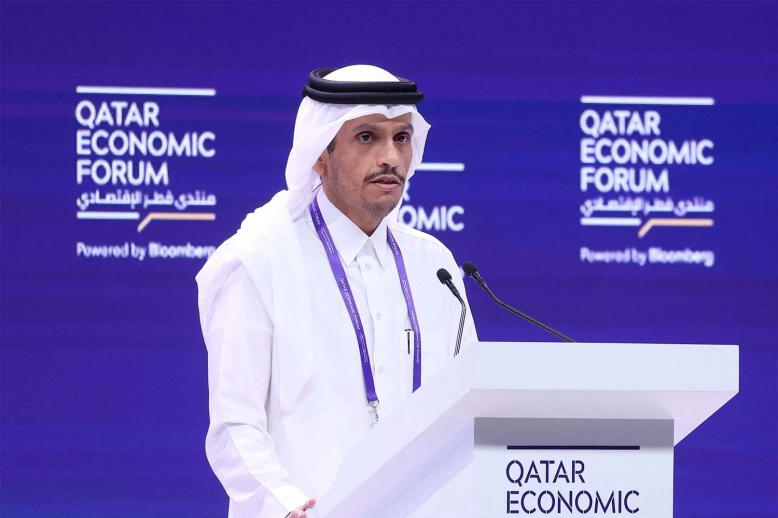
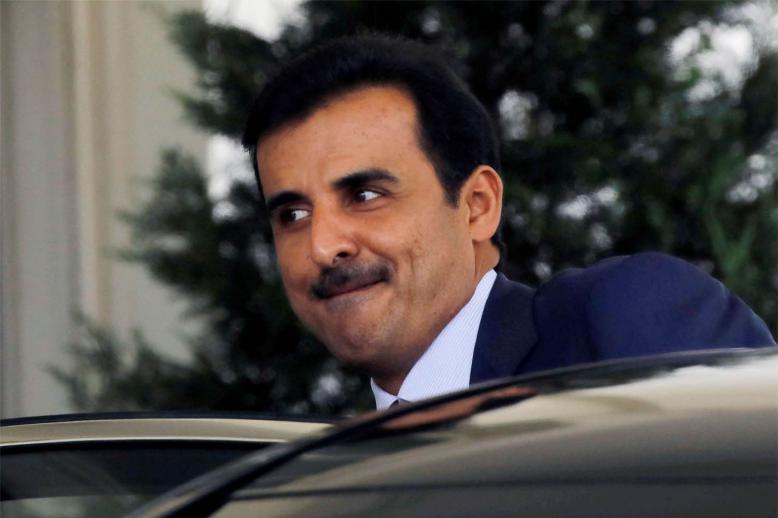
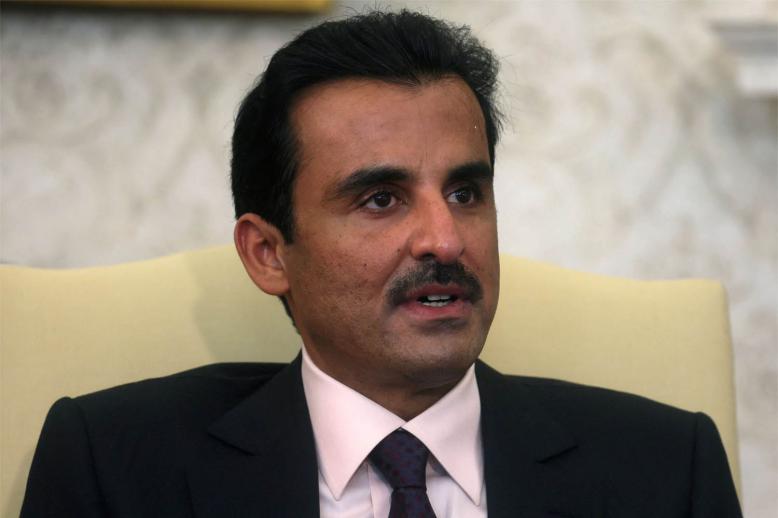
DOHA – A senior Qatari official has denied reports claiming that Doha is operating an alternative backchannel for diplomatic talks between Iran and the United States, insisting that Qatar’s role remains limited to supporting mediation efforts led by Pakistan.
The official said Doha was playing a “supportive role only” in the negotiations and was working alongside regional partners to reinforce the primary mediation framework spearheaded by Islamabad, which has focused on pushing for immediate de-escalation across the region.
Speaking to Israeli broadcaster i24NEWS on Thursday, the source stressed that Qatar had not launched an independent diplomatic track between Washington and Tehran, rejecting speculation that Gulf states were competing behind the scenes over mediation efforts.
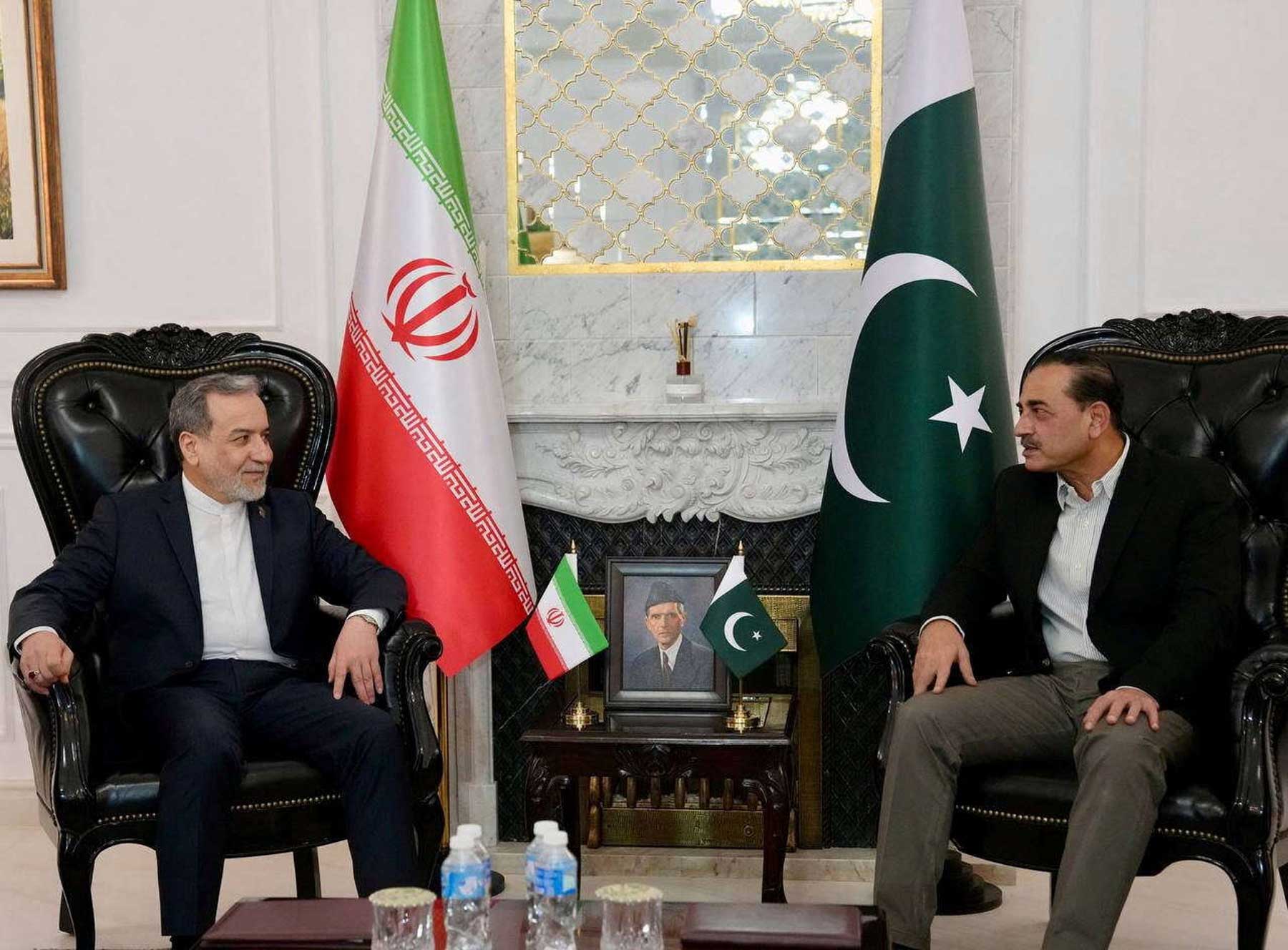
The clarification came amid growing reports of tensions and mistrust between Islamabad and Tehran, with Pakistani officials reportedly frustrated by Iran’s engagement with multiple regional channels rather than relying exclusively on Pakistan’s initiative.
According to those reports, Pakistani officials believe Tehran’s decision to involve several regional capitals complicated the main diplomatic process and diluted efforts to secure a sustainable breakthrough between the two sides.
US President Donald Trump had previously attributed his decision to maintain the ceasefire with Iran and postpone planned military strikes to appeals made by Saudi Arabia, United Arab Emirates and Qatar.
Pakistan’s role as mediator in the highly complex conflict between Iran and the United States has been widely viewed as a diplomatic achievement for Islamabad and evidence of growing international confidence in the country despite its domestic political, economic and security challenges.
Against that backdrop, Pakistani officials appear increasingly determined to preserve and advance their mediation effort. Iranian media reported Thursday that Pakistan’s powerful army chief, Asim Munir, is expected to visit Tehran as part of the ongoing diplomatic initiative while Iran studies a new American proposal aimed at ending the Middle East conflict.
The announcement of Munir’s expected visit came one day after Trump warned that negotiations to end the war stood at a “crossroads” between reaching an agreement and a return to military strikes.
A ceasefire declared on April 8 halted hostilities in the war launched by the United States and Israel in late February, but negotiations have so far failed to produce a lasting peace agreement.
Open warfare has since been replaced by an escalating war of words, while uncertainty continues to weigh heavily on the global economy, leaving investors, businesses and commodity markets on edge.
Iran’s ISNA news agency said Munir’s visit would focus on continuing “talks and consultations” with Iranian authorities, though it did not provide further details. Other Iranian media outlets carried similar reports.
Pakistan hosted a round of direct talks between American and Iranian officials in April, the only face-to-face negotiations held since the outbreak of the conflict.
Munir played a central role during those talks, personally welcoming the delegations and appearing publicly alongside US Vice President JD Vance and Iranian parliament speaker Mohammad Bagher Ghalibaf.
However, the negotiations ultimately collapsed, with Tehran accusing Washington of making excessive demands.
Since then, both sides have exchanged multiple proposals while the threat of renewed war has continued to loom over the region.
“It’s absolutely at a crossroads, believe me,” Trump told reporters on Wednesday.
“If we don’t get the right answers, things are going to get very bad very fast. We’re all on standby,” he added, insisting that Washington needed “100 percent complete answers.”
On the Iranian side, Ghalibaf accused the United States of seeking to reignite the conflict, warning of a “strong response” if Iran were attacked again.
“The enemy’s overt and covert moves show that despite economic and political pressure, it has not abandoned its military objectives and is seeking to start a new war,” he said.
Despite the escalating rhetoric, Iranian Foreign Ministry spokesman Esmaeil Baghaei confirmed that Tehran was reviewing points received from Washington, while reiterating demands for the release of frozen Iranian assets abroad and an end to the US naval blockade on Iranian ports.
Trump is also facing mounting domestic political pressure as energy costs continue to rise. Although the ceasefire halted direct fighting, it did not lead to the reopening of the Strait of Hormuz, the strategic waterway through which roughly a fifth of the world’s oil and liquefied natural gas normally passes.
Hormuz remains one of the most contentious issues in the negotiations, amid growing fears that the global economy could face deeper disruption as oil reserves accumulated before the war continue to decline.
Iran imposed restrictions on shipping through Hormuz during the conflict and has in recent weeks allowed only limited maritime traffic while introducing a transit fee system.
The strait is also a crucial route for around one-third of global fertiliser shipments, fuelling fears of rising food prices and potential shortages if restrictions persist.