

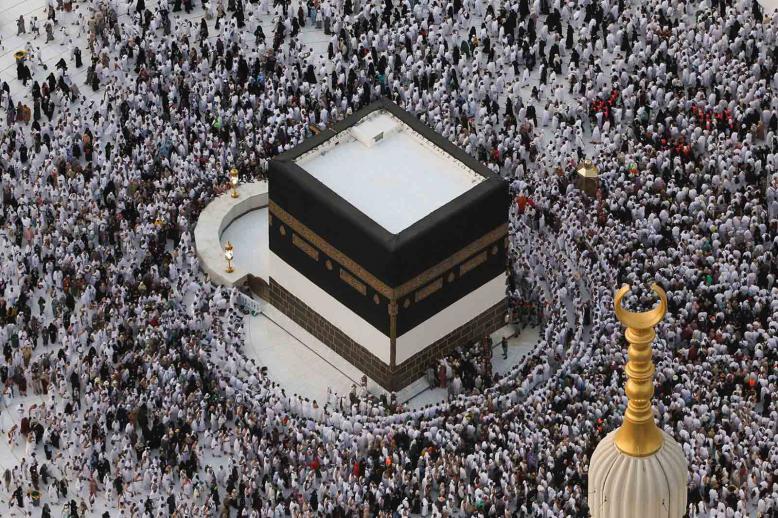

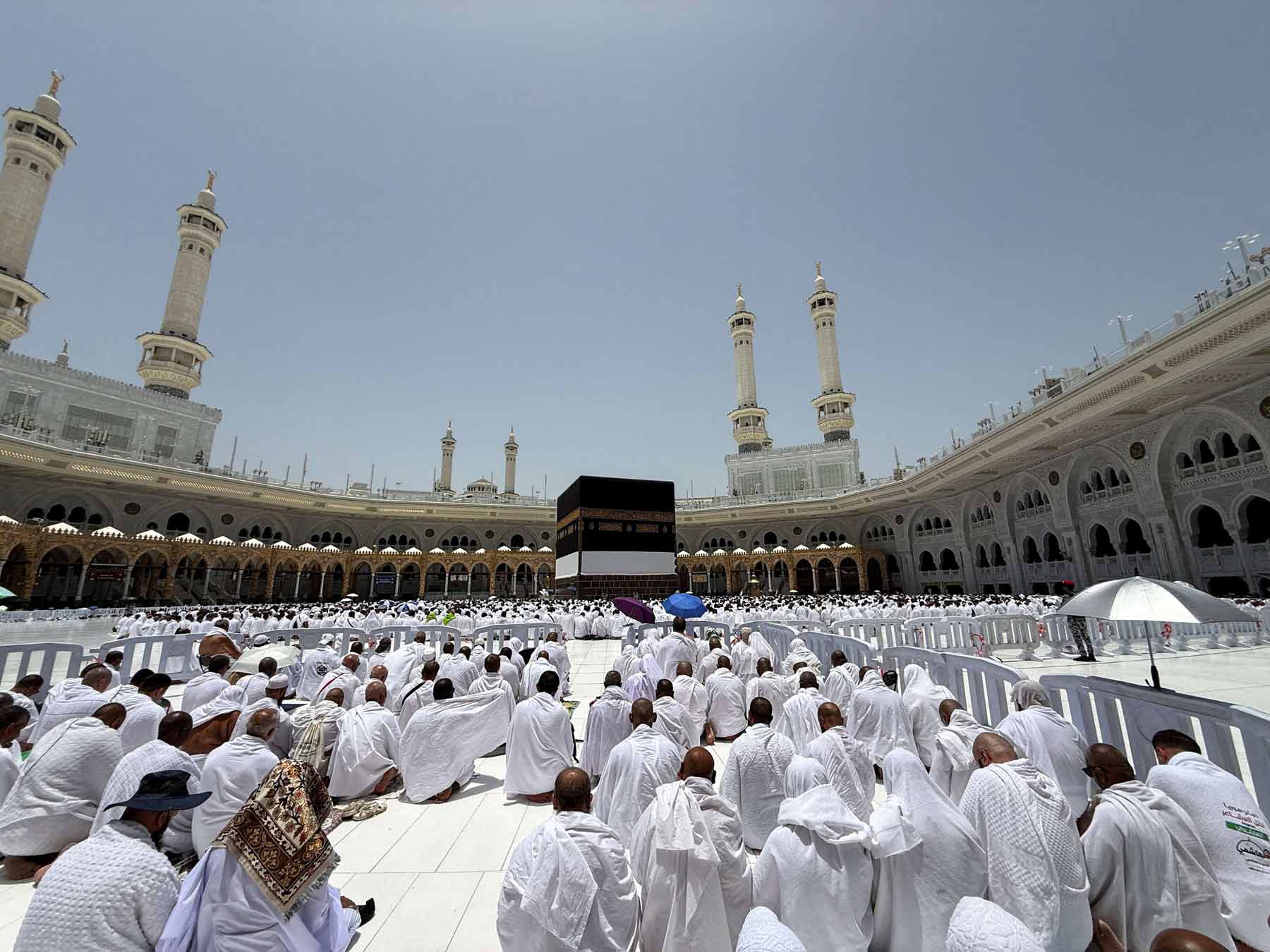
One of the world’s largest annual religious gatherings
Saudi Arabia warns against politicising Hajj, unveils security plans
Saudi Arabia has expanded its use of artificial intelligence, drones and smart surveillance technologies in recent years as part of broader efforts to strengthen security.
Friday 22/05/2026
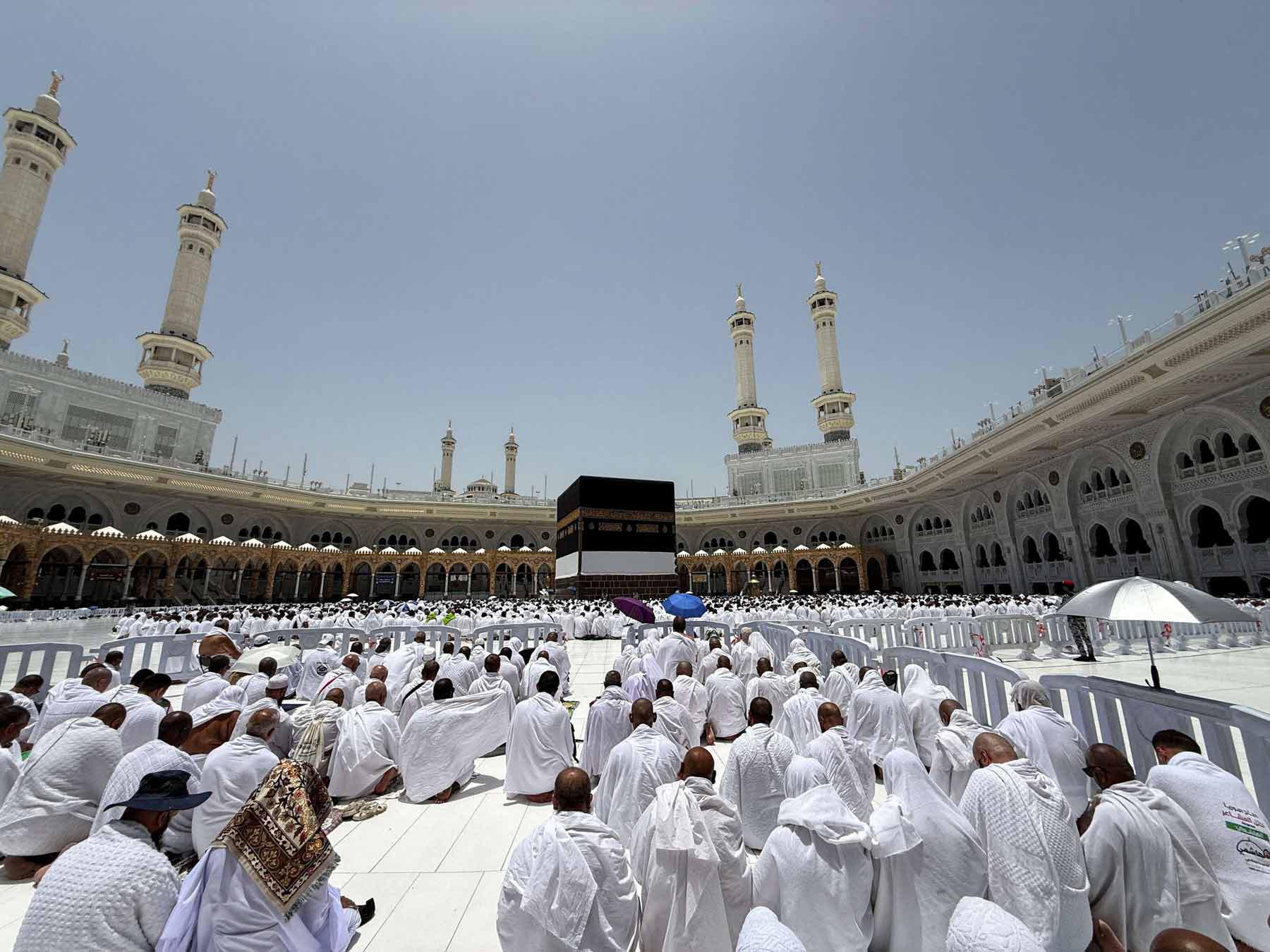
One of the world’s largest annual religious gatherings
RIYADH – Saudi Arabia said it would act firmly against any attempt to politicise the annual Hajj pilgrimage or undermine the security of pilgrims, as the kingdom rolled out one of its most extensive security and technology operations ahead of this year’s Muslim pilgrimage season.
Saudi authorities said preserving the sanctity of Hajj and ensuring that rituals are performed in a safe and stable environment remained a top priority, amid heightened regional tensions and growing concerns over security across the Middle East.
The kingdom has increasingly focused on preventing political or sectarian exploitation of the pilgrimage, wary that gatherings of millions of Muslims from around the world could be used to inflame tensions or advance political agendas.
During the annual Hajj security forces ceremony in Mecca on Thursday, Saudi Interior Minister Prince Abdulaziz bin Saud bin Naif, who also chairs the Supreme Hajj Committee, reviewed the readiness of security and emergency forces tasked with overseeing the pilgrimage season.
The event included large-scale demonstrations involving special police units, civil defence teams, traffic police, border guards, emergency responders and Security Aviation helicopters, alongside simulations of crowd-control operations, emergency evacuations, firefighting and counterterrorism scenarios.
Saudi authorities said the operational plans for this year’s Hajj were developed using lessons learned from previous seasons and were designed to address a wide range of potential security and logistical contingencies across Mecca, Medina and the holy sites.
Director of Public Security and Chairman of the Hajj Security Committee Mohammed Al-Bassami said the kingdom had mobilised all available resources to serve pilgrims and maintain what he described as a world-leading model for crowd management.
“The leadership has harnessed all capabilities and resources to serve the Guests of God, making the kingdom an advanced global model in managing human crowds and ensuring the highest levels of organisation and smooth movement,” Bassami said.
He added that the Hajj security apparatus was operating at the highest levels of readiness and coordination, supported by advanced command-and-control centres and modern technologies aimed at accelerating decision-making and improving operational response times.
Bassami stressed that Saudi authorities would “firmly confront” any attempt to disrupt pilgrims’ security, politicise the pilgrimage or disturb the performance of religious rituals.
The kingdom has expanded its use of artificial intelligence, drones and smart surveillance technologies in recent years as part of broader efforts to strengthen security and improve coordination during Hajj operations.
Saudi newspaper Okaz reported on Friday that authorities would deploy drones, AI-powered crowd analysis systems and facial recognition technologies during the 2026 Hajj season to monitor congestion, detect violations and prevent unauthorised access to the holy sites.
According to the report, drones and fixed-wing aircraft are being used to identify individuals attempting to enter pilgrimage zones illegally under the slogan “No Hajj without a permit,” while thermal imaging cameras and high-resolution surveillance systems are being integrated into a wider security network.
Saudi officials say AI-based crowd management systems can predict congestion before it occurs and redirect pilgrims away from overcrowded routes, helping to reduce the risk of deadly stampedes and improve the overall flow of movement.
Prince Abdulaziz also reviewed operational systems and smart technologies at the General Transport Centre run by the Royal Commission for Makkah City and Holy Sites as part of wider inspections of transport readiness ahead of the pilgrimage.
Officials briefed him on digital transformation initiatives, the use of real-time data and intelligent analytics to improve traffic flow and speed up operational responses across the transport network linking Mecca and the holy sites.
Saudi Arabia has spent years expanding infrastructure and introducing advanced technologies to manage the Hajj, one of the world’s largest annual religious gatherings.
This year’s pilgrimage, due to run from May 25 to May 29, is expected to draw around 1.5 million worshippers despite regional instability linked to the Iran war, which has seen Saudi Arabia targeted by missiles and drones during the conflict.
The Hajj pilgrimage is one of the five pillars of Islam and must be performed at least once in a lifetime by all Muslims who are physically and financially able to undertake it.