
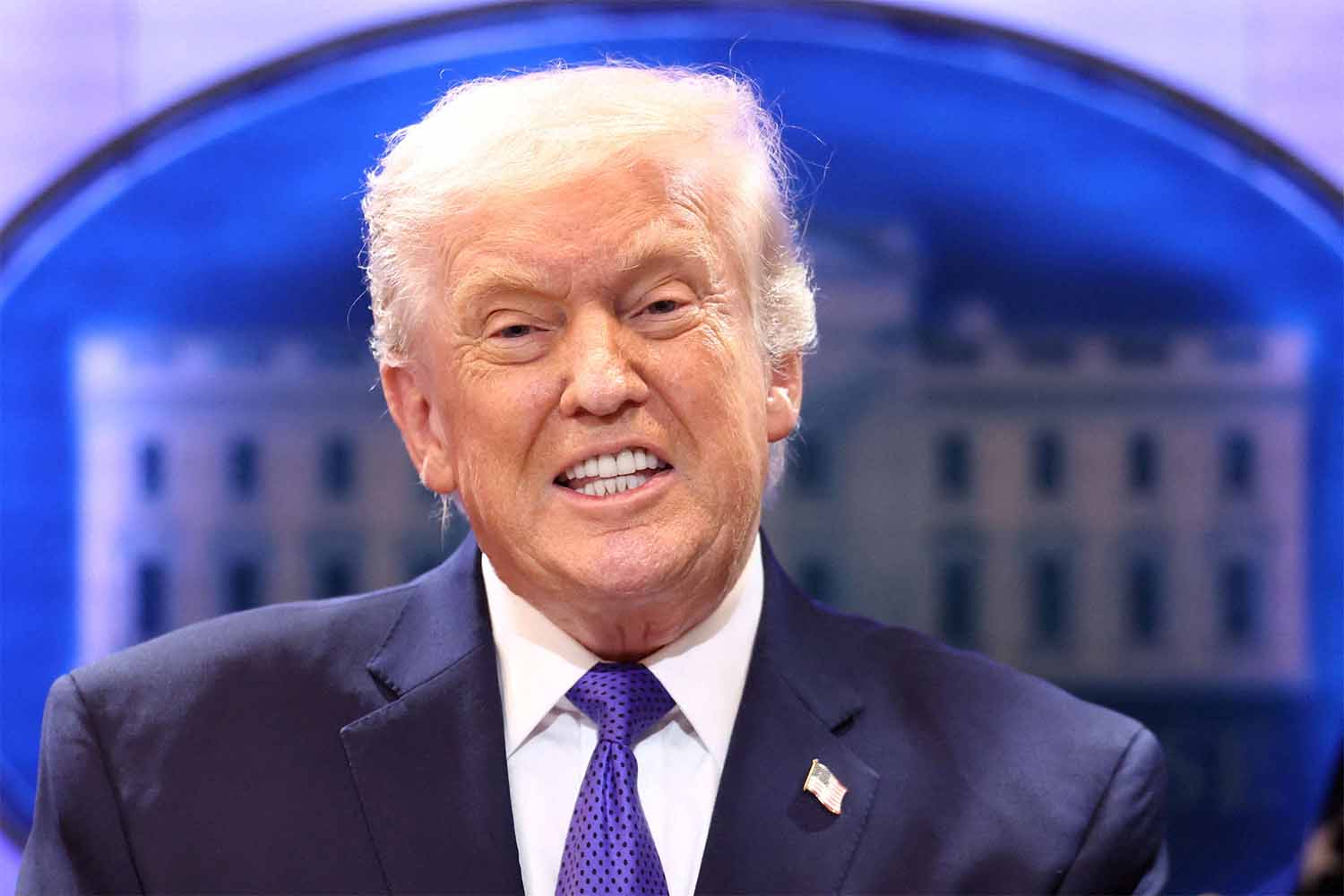
The Memorandum of Understanding recently announced by Trump reveals strategic loopholes
The Trump agreement: Does it reposition Iran regionally?
Although the Trump administration is marketing the deal as a success in "reopening the Strait" and securing global trade routes, the proposed formula indicates that operational and security control remains in Tehran's hands.
Monday 25/05/2026
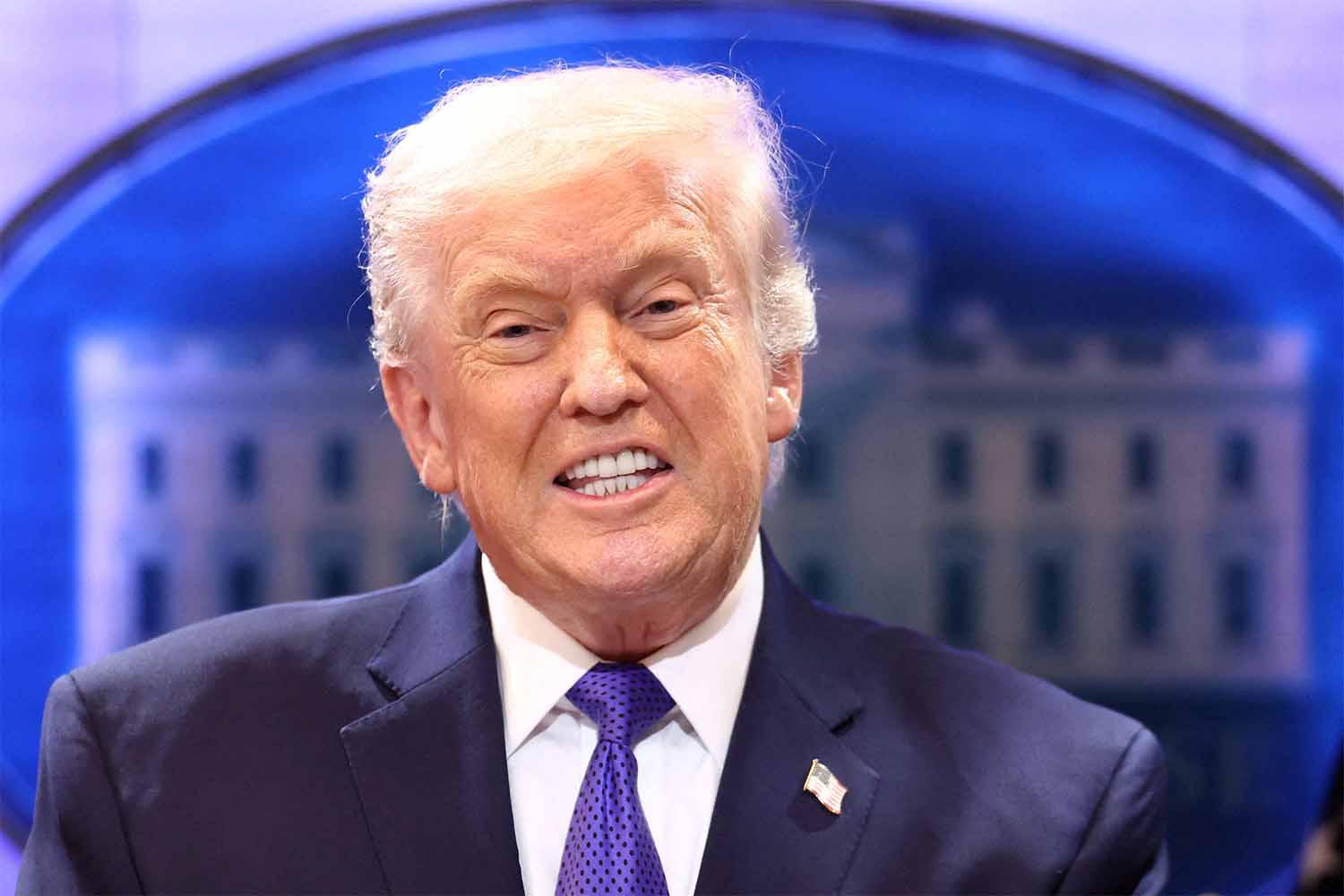
The Memorandum of Understanding recently announced by Trump reveals strategic loopholes
“If you enter a negotiation room with the Iranians, you have already lost!” This phrase sums up the long years of experience accrued by negotiators dealing with the Iranian side.
Today, this maxim is being proven correct. More than 70 days into the American-Israeli war on Iran, and following arduous and exhausting negotiations, the parties have reached what can be described as an agreement or a conceptual framework to put a temporary end to this conflict.
Regardless of the nomenclature, dismantling the clauses of this "Framework Agreement" or Memorandum of Understanding recently announced by US President Donald Trump reveals strategic loopholes. Through these, the Iranian negotiator successfully transformed the agreement into mere procedures to kick the crisis down the road rather than finding a fundamental solution for it.
Although the Trump administration is marketing the deal as a success in "reopening the Strait" and securing global trade routes, the proposed formula indicates that operational and security control remains in Tehran's hands. This situation effectively grants Iran a "de facto legitimacy" as the regulatory and controlling authority over the world's most critical maritime corridor for transporting 20% of global energy needs - a strategic gain that far outweighs the temporary concessions it made.
For instance, the clause stipulating the deferral of the very files that triggered the war in the first place (the ballistic missile program and the regional proxy network) leaves neighboring countries, specifically the Gulf Cooperation Council (GCC) states, facing the exact same sustained threat from Iran. In the future, this could open the door to diverging political and defense visions among GCC states on how to handle post-war Tehran.
Furthermore, the clause allowing Iran to resume oil exports, lifting the blockade on its ports, and partially releasing its frozen funds represents a genuine lifeline for the regime. This will provide Tehran with the liquidity necessary to stabilize its domestic front and reorganize its regional proxies to reassert its influence.
Additionally, the Iranian side's insistence that the de-escalation encompass the Lebanese front reflects a success in politically enforcing the "Unity of the Fronts" equation, even if Washington or Tel Aviv attempt to publicly deny this linkage. This correlation grants Tehran the capacity to protect its external arms as part of any comprehensive settlement, meaning that Iran's regional leverage tools will remain intact and have not been dismantled.
As for the proposed timeline for detailed negotiations (between 30 and 60 days), it represents a golden window for Iran. Tehran will likely exploit this period to catch its breath and rebuild its military and defense capabilities damaged during the war, relying on shadow allies like China and Russia. Both Moscow and Beijing view a strong Iran as a vital interest to balance American influence in the region.
Based on this, it can be argued that the agreement in its current form looks like a "deal to reposition the Tehran regime in exchange for a temporary truce." This provides Trump with the necessary political cover to declare a swift end to the war and exit the Iranian quagmire with minimal losses. However, this exit will not only leave the deep-rooted causes of the conflict unaddressed, but it will also hand Iran massive economic and geopolitical incentives it did not expect prior to the start of military operations.
Conversely, some believe that the agreement is an American "ruse" to improve its negotiating and military position in preparation for a decisive round of fighting, or that Trump sought this deal for strategic objectives that would eventually enable him to acquire half of Iran's rare earth minerals.
In reality, proponents of these views completely ignore the political calendar in Washington and Tel Aviv.
The 60-day window expires roughly four days after the conclusion of the FIFA World Cup hosted by the United States, coinciding with the actual countdown to the U.S. congressional midterm elections. At this specific juncture, the president's ability to make a decision to return to a costly, large-scale regional war drops to nearly zero. The Republican Party will be eager to present the achievement of "peace and deals" to the American voter, rather than a return to a financial and military quagmire of attrition.
In Israel, the situation is no less complex. Netanyahu faces immense domestic pressure. Discussions surrounding upcoming Knesset elections and the formation of a new government amidst fierce, organized opposition led by Yair Lapid and his partners mean that the Israeli home front will not tolerate a new military adventure without full, direct American backing—something Trump will not provide during a midterm election cycle.
Regarding Iran's rare earth minerals (such as lithium, lanthanum, and cerium), the American gamble faces two major obstacles. The first is the deep-rooted, historic trust deficit between Washington and Tehran, which precludes building long-term investment partnerships in such strategic sectors.
The second obstacle lies in China's near-total dominance over much of Iran's mining tributaries. Through its "resistance economy" strategy, China is not only Iran's primary trading and oil partner, but it also possesses the technology and infrastructure for the extraction and chemical separation of these rare minerals, controlling over 90% of this industry globally. Consequently, Tehran will inevitably favor the Chinese side.
Thus, a careful reading of this framework's clauses confirms that we are facing a clear strategic paradox where outcomes do not align with the initial premises. A war that began with tight American-Israeli coordination under the banner of toppling Iran's "rogue" regime is on the verge of ending with Israel sidelined from the negotiating table. Instead, a unilateral agreement between Washington and Tehran is being signed—one that rehabilitates the Iranian regime regionally, grants it political legitimacy, and guarantees it a permanent seat in shaping the arrangements of the Gulf and the Middle East. Meanwhile, Israel is living its worst nightmare: refusing to accept a final settlement or implicitly recognize these shifts, while awaiting a long testing period that may later open the door to unannounced understandings with Tehran over shared roles, reminiscent of the Iran-Contra affair.