


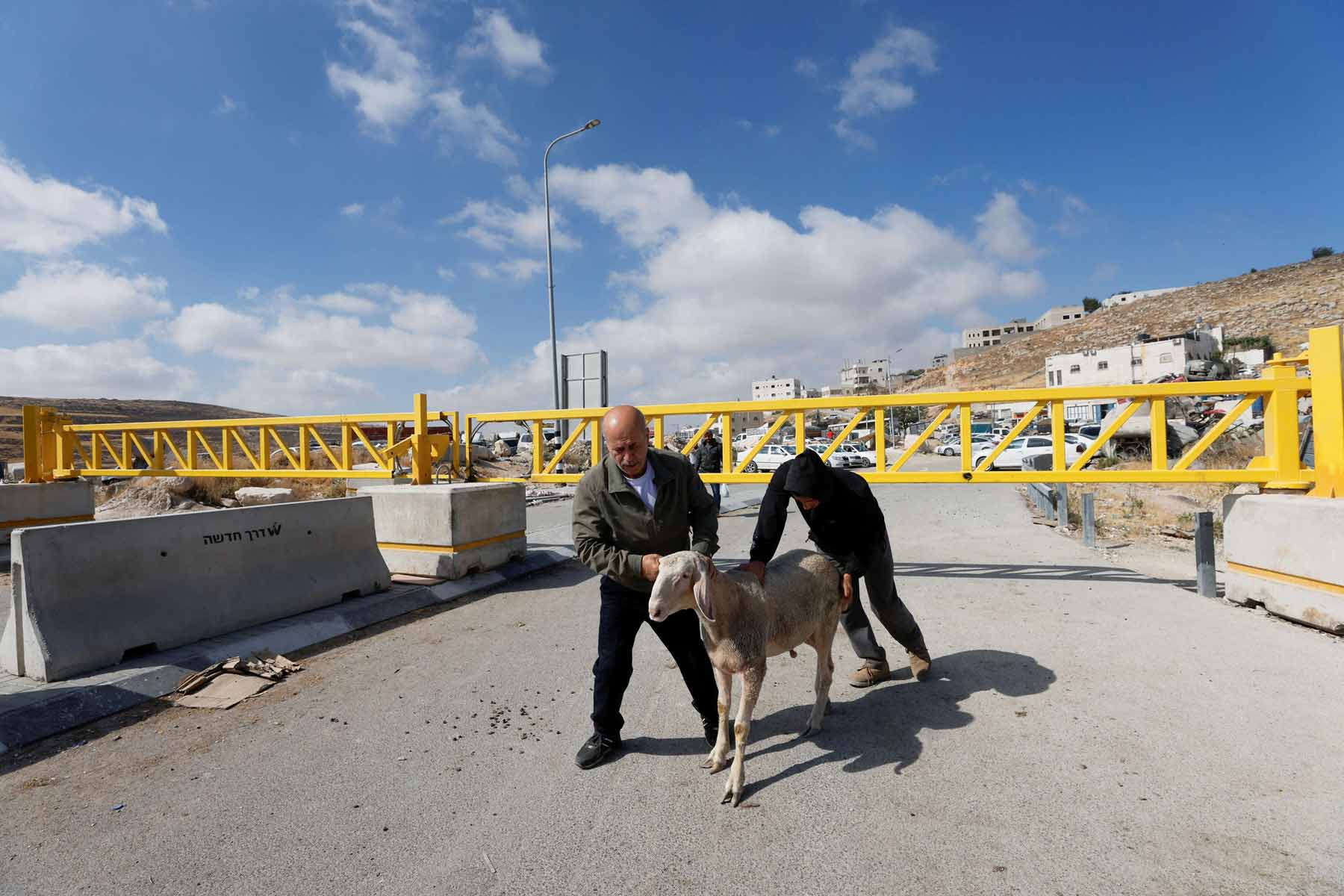
A tradition increasingly difficult to sustain
In West Bank, Eid traditions crumble under soaring prices, settler raids
Inside Hebron’s main livestock market, usually packed with buyers, hundreds of sheep now stand unsold while traders wait anxiously for customers who rarely appear.
Monday 25/05/2026
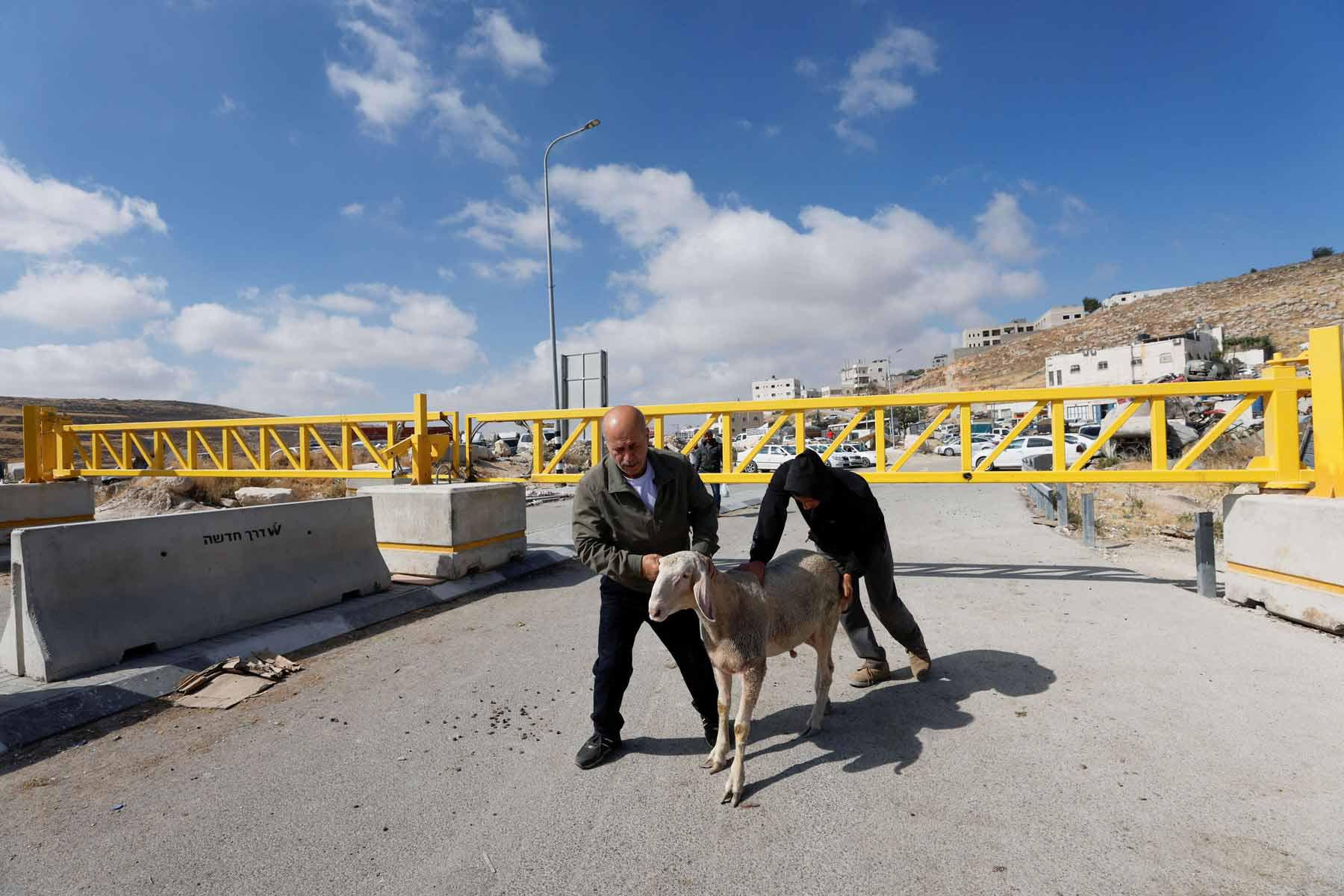
A tradition increasingly difficult to sustain
RAMALLAH – Eid al-Adha is approaching across the occupied West Bank under the shadow of economic collapse, spiralling prices and escalating settler violence, with traders and shepherds in Hebron warning that one of Palestine’s oldest religious and commercial traditions is rapidly becoming unaffordable for ordinary families.
Inside Hebron’s main livestock market, usually packed with buyers ahead of the holiday, hundreds of sheep now stand unsold while traders wait anxiously for customers who rarely appear.
The sharp downturn reflects a wider crisis gripping Palestinian society as the West Bank economy reels from soaring unemployment, the Palestinian Authority’s deepening financial paralysis and the fallout from Israel’s war in Gaza and intensified military operations across the territory.
Livestock traders say this year’s Eid season is among the worst they have experienced in decades.
Mohammed Ahmed al-Labib, a veteran sheep trader who has worked in the market for nearly half a century, said demand had virtually collapsed.
“In previous years I sold around 50 sheep before Eid. This year I have sold only five,” he said.
The cost of sacrificial animals has soared beyond the reach of many Palestinians.
According to traders, the price per kilogram of lamb has more than doubled in recent years, rising from around five Jordanian dinars to more than 10.5 dinars, pushing the price of a single sheep to roughly 700 dinars.
For many Palestinian families already struggling to secure food and basic supplies, such prices have become impossible.
“People do not even have enough to eat and drink, so how can they buy sacrifices?” Labib said.
The financial crisis affecting the Palestinian Authority has further weakened household purchasing power.
Since 2019, Israel has deducted or withheld Palestinian clearance revenues collected on behalf of the authority, pushing Ramallah into a worsening fiscal crisis.
Palestinian figures show unpaid obligations and accumulated deficits have climbed to around $4.26 billion, leaving the authority unable to consistently pay public sector wages.
Many employees now receive only partial salaries, often delayed for months.
Official statistics released by the Palestinian Central Bureau of Statistics show unemployment in the West Bank rose to 28 percent in late 2025, more than double pre-war levels recorded in 2023.
Thousands of Palestinians lost jobs following tighter Israeli restrictions and the collapse of employment opportunities in sectors such as construction, manufacturing and transport.
Yet traders say economics alone does not explain the crisis gripping the livestock sector.
Across rural areas of Hebron and the Jordan Valley, Palestinian shepherds report mounting attacks by Israeli settlers, including livestock theft, assaults and restrictions preventing access to grazing lands.
In Masafer Yatta, south of Hebron, settlers allegedly stole around 50 sheep during a raid on a Palestinian home earlier this week.
Shepherds say such attacks have become increasingly frequent.
“Settlers attack shepherds almost daily and steal livestock,” said trader Ismail Bani Hassan, blaming the violence for shrinking herds and rising prices.
Livestock breeders in Area C of the West Bank face mounting difficulties reaching natural pastures, forcing many to rely on expensive commercial feed, sharply increasing production costs.
Some breeders say they now fear taking their sheep into grazing areas near settlements and outposts because of harassment and armed attacks.
The Palestinian Wall and Settlement Resistance Commission documented more than 1,600 settler attacks during April alone, including assaults, vandalism and livestock theft.
Palestinians accuse settlers of attempting to force shepherding communities from their land through sustained intimidation campaigns, particularly in strategically sensitive rural areas.
The violence has intensified alongside Israeli military operations across the West Bank since the Gaza war began in October 2023.
According to Palestinian figures, Israeli military raids and settler attacks have killed more than 1,160 Palestinians in the West Bank, injured around 12,245 and led to nearly 23,000 arrests during that period.
For many traders and breeders, the combination of economic collapse and security pressure is threatening the survival of a way of life passed down across generations.
Farmers complain of limited institutional support while absorbing mounting losses from livestock theft and attacks.
Some say they are considering abandoning sheep breeding entirely because they can no longer protect their herds or sustain the rising costs.
Against this backdrop, Eid al-Adha celebrations this year are expected to be far more subdued than usual across much of the West Bank.
What was once a season of crowded markets and festive preparations has increasingly become a symbol of the severe economic hardship and insecurity shaping daily Palestinian life.