

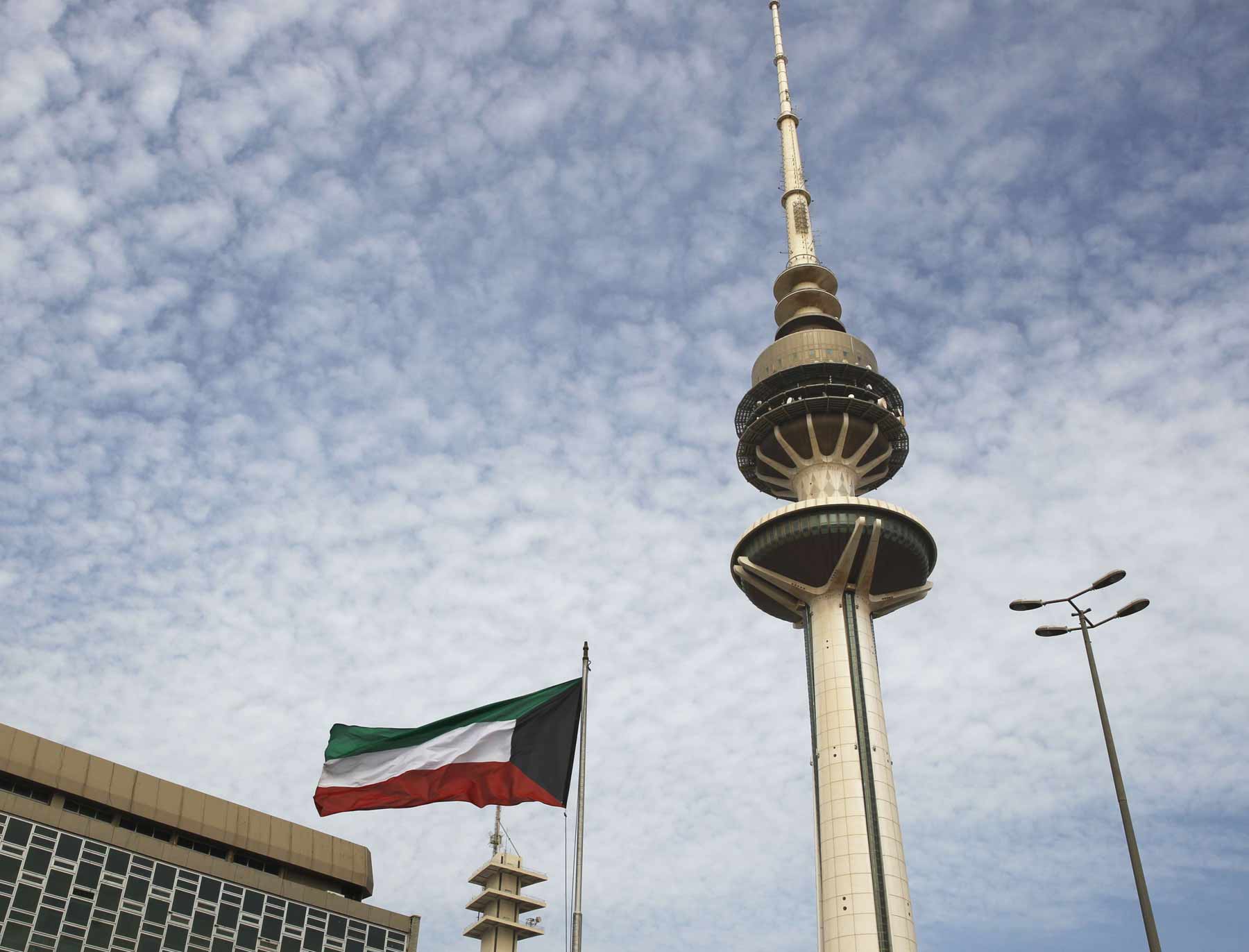
Fears of dragging Gulf states deeper into a regional confrontation
Alarm as attacks on Kuwait threaten to derail regional diplomacy
Regional analysts say the attack places Gulf states in an increasingly difficult position.
Friday 29/05/2026
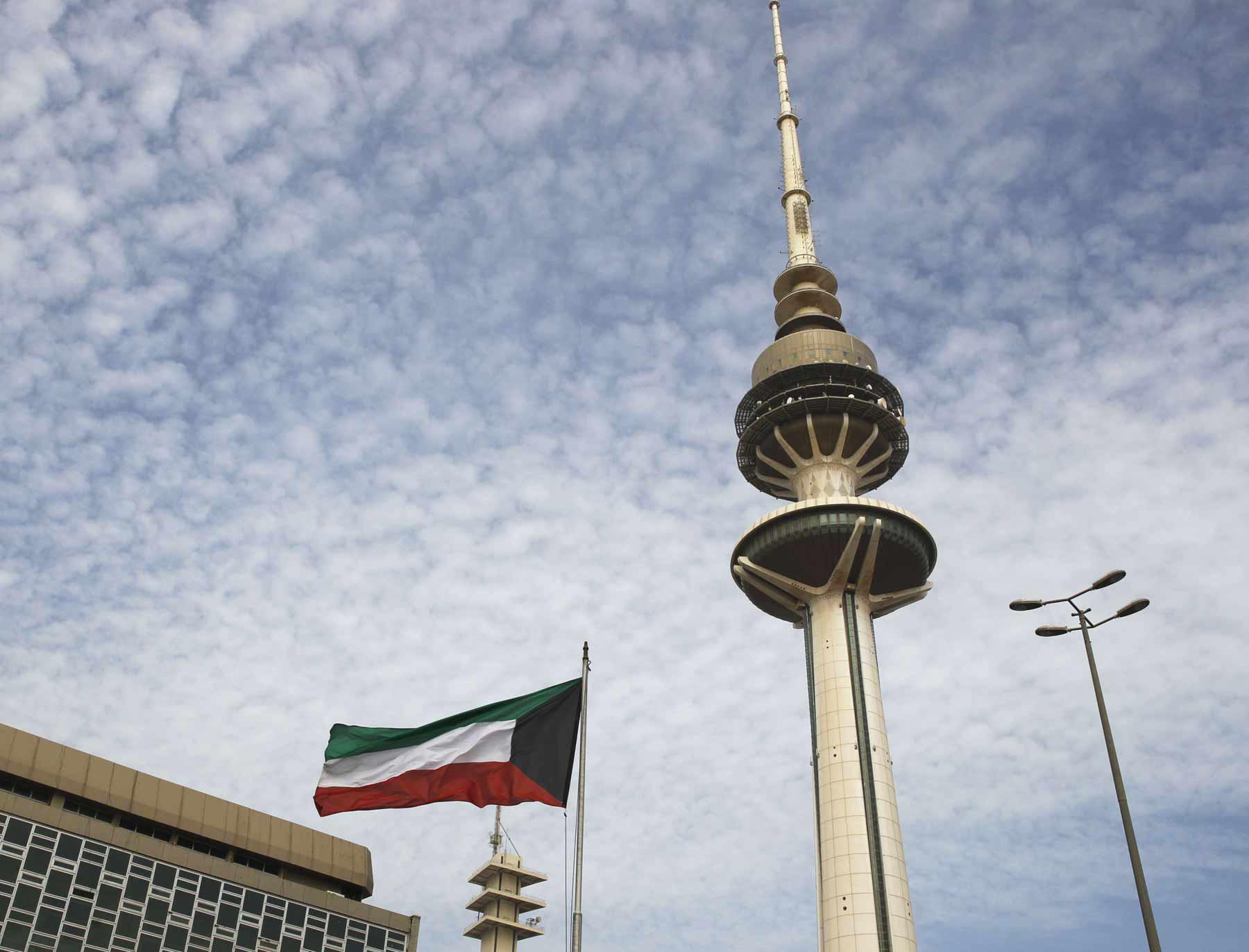
Fears of dragging Gulf states deeper into a regional confrontation
WASHINGTON/KUWAIT CITY – Iran’s missile and drone attacks targeting Kuwait have intensified fears that the fragile ceasefire surrounding the wider US-Israeli conflict with Tehran could unravel, dragging Gulf states deeper into a regional confrontation they have worked hard to avoid.
Kuwait’s military said on Thursday that its air defence systems intercepted hostile missiles and drones over the country, while explosions heard across the Gulf state were linked to interception operations.
Although Kuwaiti authorities initially stopped short of directly naming Iran, the country’s foreign ministry later issued a strongly worded condemnation accusing Tehran of carrying out “criminal attacks” against Kuwaiti territory.
The ministry described the strikes as a “dangerous escalation” and “a flagrant violation of sovereignty and security,” demanding that Iran halt the attacks immediately and unconditionally.
The United States military quickly blamed Tehran, with US Central Command describing the attacks as a “flagrant violation” of the ceasefire arrangements that had helped reduce hostilities after months of conflict.
According to CENTCOM, Iranian forces also launched several attack drones near the Strait of Hormuz, the strategic waterway through which roughly a fifth of global oil and gas supplies pass. US forces said they intercepted five drones and prevented another launch.
The latest escalation comes after months of heightened regional tensions triggered by US and Israeli strikes on Iran beginning in February. Tehran responded by targeting American interests and allies across the Gulf and threatening shipping lanes in the Strait of Hormuz.
Although a ceasefire brokered through Pakistani mediation came into force in April, negotiations have struggled to produce a lasting settlement. US President Donald Trump later extended the truce indefinitely in an attempt to prevent renewed war.
The attack on Kuwait has now exposed the fragility of those efforts.
Gulf states reacted with unusual unity and urgency, fearing the conflict could destabilise the entire region despite their attempts to maintain neutrality.
Saudi Arabia condemned the attacks “in the strongest terms,” stressing that it rejected all violations of state sovereignty and threats to regional stability. Riyadh reaffirmed its support for Kuwait and reserved the right to take necessary measures to protect Gulf security.
The United Arab Emirates described the strikes as “terrorist attacks” that endangered regional peace and security, while Qatar warned that the escalation represented a serious breach of international law and threatened broader international stability.
Jordan and Egypt also issued strong condemnations, both describing the attacks as violations of international law and expressions of Iranian aggression against a fellow Arab state.
Egyptian Foreign Minister Badr Abdelatty held talks with Kuwaiti Foreign Minister Sheikh Jarrah Jaber Al-Ahmad Al-Sabah to reaffirm Cairo’s support, stressing that Gulf security remains inseparable from Egyptian national security.
The latest crisis has also revived concerns about the vulnerability of Gulf infrastructure and US military facilities across the region. Kuwait hosts important American military assets, including air bases used in regional operations.
Regional analysts say the attack places Gulf states in an increasingly difficult position. Although they have sought to avoid direct involvement in the confrontation between Iran and Israel, they remain exposed to retaliation, proxy attacks and disruptions to trade and energy flows.
Recent months have already seen drone launches from Iraq towards Saudi Arabia and Kuwait, while Tehran-backed groups have repeatedly threatened Gulf governments viewed as aligned with Washington.
The attacks also underscore the growing importance of the Strait of Hormuz as both a military flashpoint and a pressure tool for Iran. Any sustained instability there could have major consequences for global energy markets and international shipping.
Despite the intensifying rhetoric, Gulf governments continue to push for de-escalation, fearing that a broader regional war would devastate economies, energy exports and internal stability.
But with missiles and drones now reaching Kuwait directly, the conflict appears increasingly difficult to contain.