

A mutual recognition that prolonged confrontation serves neither side’s interests
France, Algeria edge toward rapprochement despite political fault lines
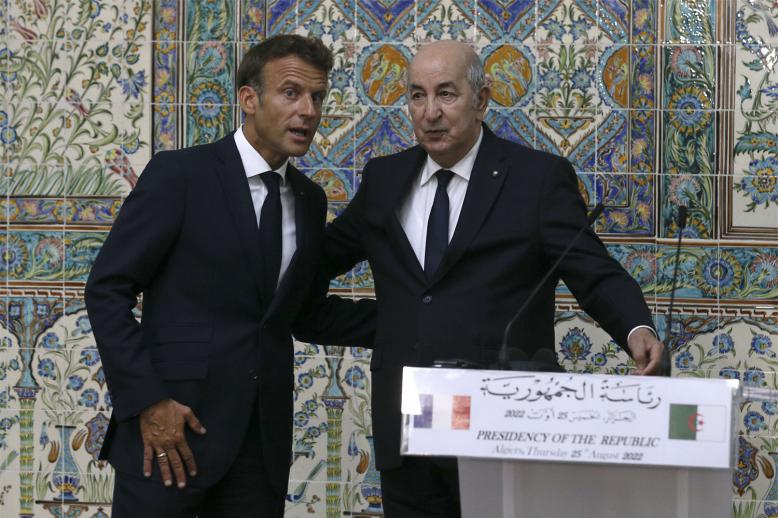
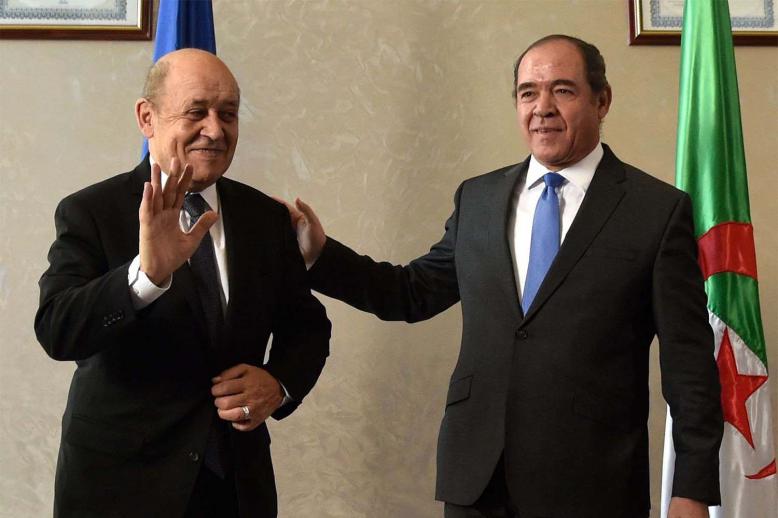
The expected visit of Algerian Interior Minister Ahmed Attaf to Paris in early June has emerged as the latest sign of efforts by both governments to stabilise relations.
Friday 29/05/2026
A mutual recognition that prolonged confrontation serves neither side’s interests
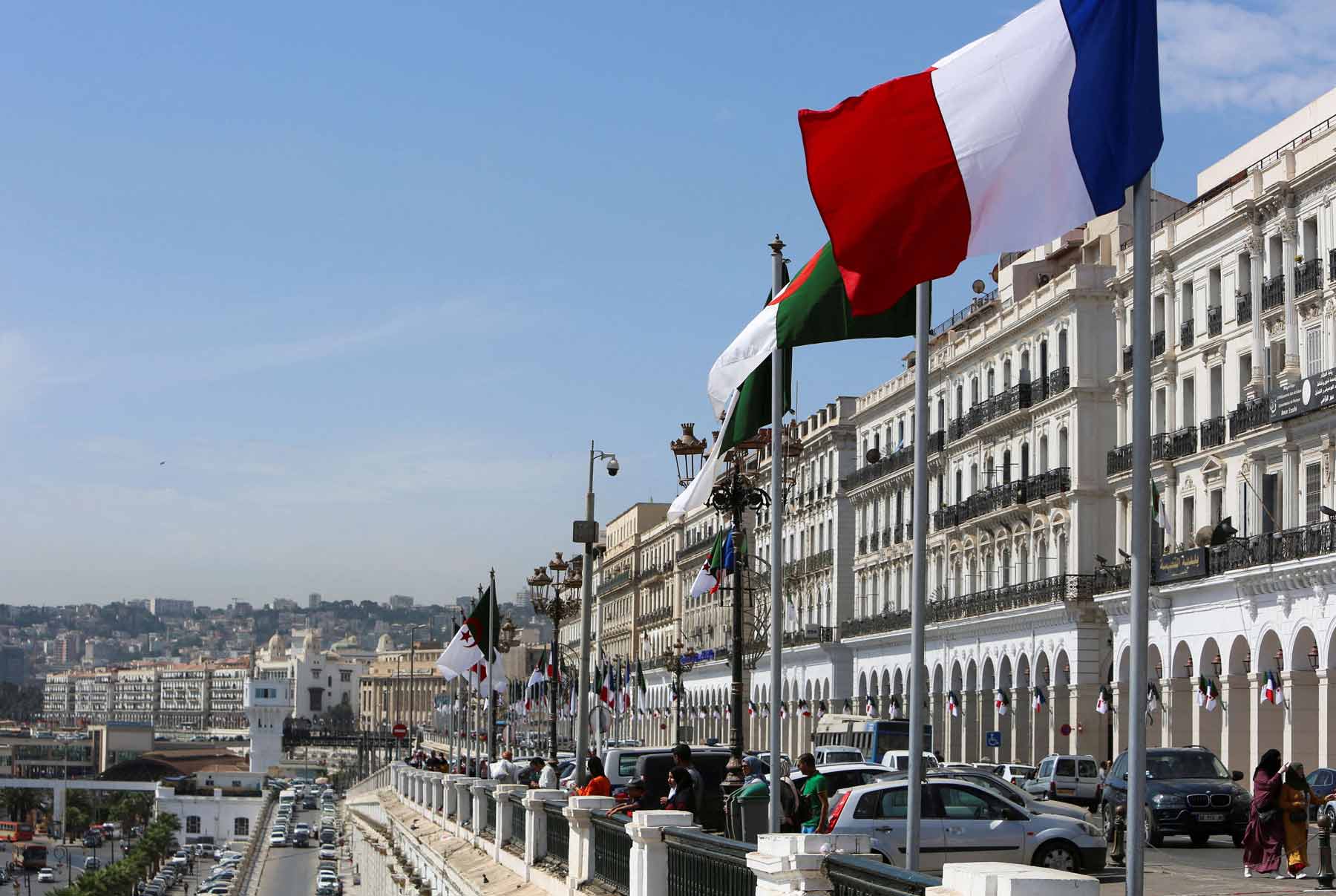
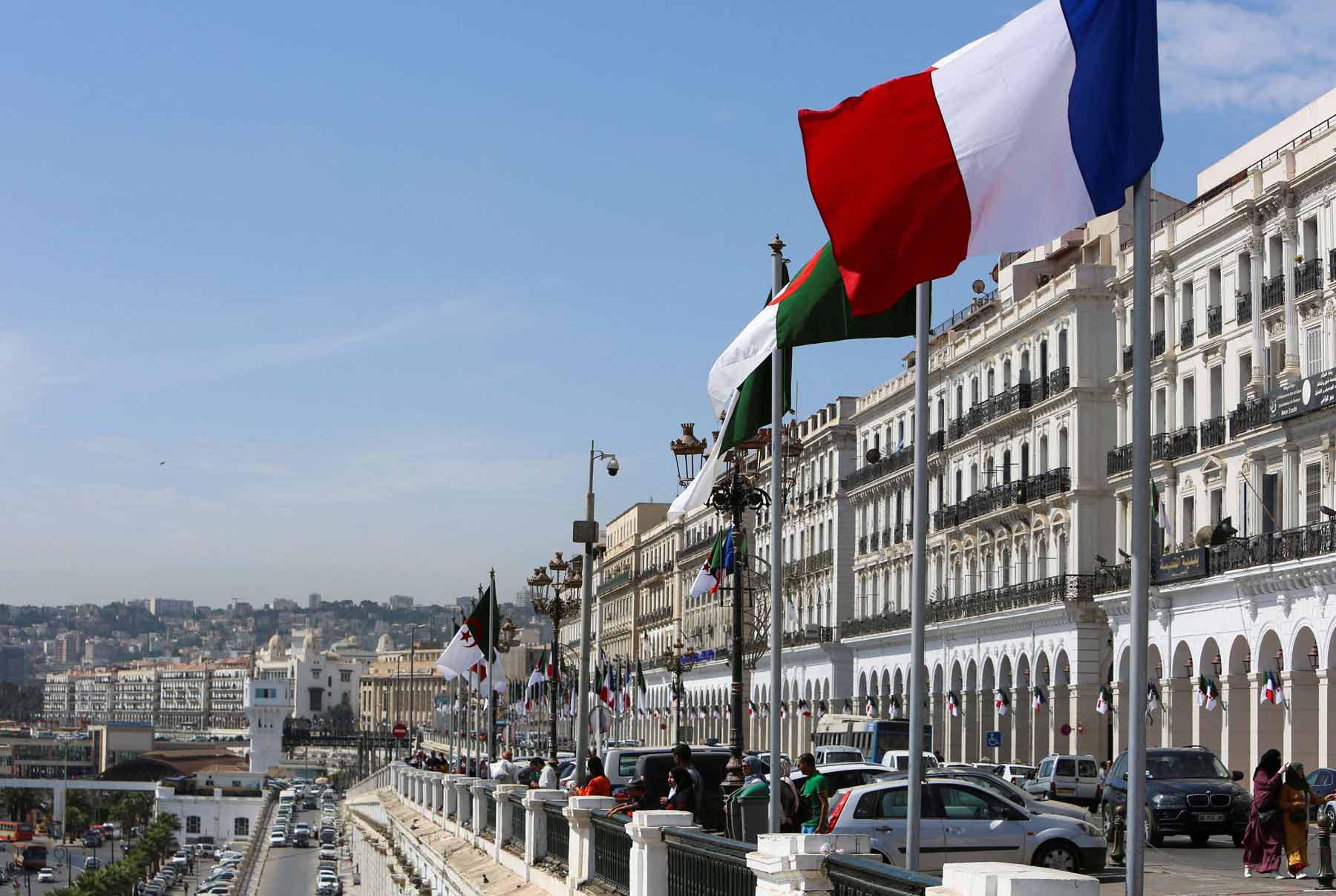
ALGIERS/PARIS – France and Algeria are cautiously rebuilding diplomatic ties after one of the most turbulent periods in their modern relationship, but the fragile rapprochement remains overshadowed by unresolved disputes over migration, Western Sahara, colonial memory and political freedoms.
The expected visit of Algerian Interior Minister Ahmed Attaf to Paris in early June has emerged as the latest sign of efforts by both governments to stabilise relations after months of escalating tensions that pushed bilateral ties close to a diplomatic breakdown.
The visit follows a gradual resumption of high-level contacts between the two countries, including French Interior Minister Laurent Nunez’s trip to Algiers in February and the return of French ambassador Stéphane Romatet to Algeria after more than a year away.
Officials on both sides are seeking to restore what the Elysee Palace described as an “effective dialogue” based on honesty and mutual respect, yet deep political and historical disagreements continue to complicate any lasting reset.
Migration has become one of the most sensitive issues driving the renewed contacts.
French authorities say Algerian consulates have issued around 140 consular travel permits since the start of 2026, allowing the resumption of deportation procedures for Algerian nationals ordered to leave France.
Around 700 Algerians are reportedly being held in detention centres awaiting repatriation, while Algeria has already accepted the return of roughly 320 undocumented migrants.
French officials view the renewed cooperation as a practical breakthrough after years of disputes over deportations and consular procedures. Algerian critics, however, accuse Paris of politicising migration issues for domestic electoral purposes, particularly amid rising pressure from the French far right.
The migration file is expected to dominate discussions during upcoming bilateral meetings alongside cooperation against drug trafficking and organised crime networks.
Yet migration is only one layer of a far deeper crisis.
Relations between Paris and Algiers deteriorated sharply in 2024 after France officially endorsed Moroccan sovereignty over Western Sahara, a dramatic policy shift that Algeria viewed as a direct challenge to its regional position and support for the Polisario Front.
The issue remains one of the central geopolitical fault lines between the two countries.
Fresh tensions resurfaced recently after French Foreign Minister Jean-Noël Barrot reiterated France’s backing for Morocco during a visit to Rabat, sparking outrage in Algerian political and media circles.
French ambassador Stephane Romatet publicly condemned attacks by sections of the Algerian press against the French foreign minister, insisting that dialogue could only continue under conditions of mutual respect.
The dispute over Western Sahara intersects with broader regional rivalries between Algeria and Morocco, which have increasingly shaped France’s relations across North Africa.
At the same time, both Paris and Algiers appear determined to prevent tensions from spiralling completely out of control.
One of the clearest symbols of this cautious thaw came with the recent visit to Algeria by French
Minister Delegate to the Minister of the Armed Forces Alice Rufo to commemorate the massacres of May 1945 in Setif, Guelma and Kherrata, where French colonial forces killed thousands of Algerians during pro-independence demonstrations.
The visit carried heavy symbolic weight because colonial memory remains one of the most emotionally charged issues in Franco-Algerian relations.
French officials described the commemoration as part of a broader effort to address historical grievances “with honesty” while rebuilding political dialogue.
However, the relationship remains vulnerable to fresh crises.
The arrest and imprisonment of French sports journalist Christophe Gleizes in Algeria on terrorism-related charges has become another contentious issue between the two countries.
Gleizes was sentenced to seven years in prison after being accused of contact with a member of the Movement for the Self-Determination of Kabylie, which Algeria classifies as a terrorist organisation.
The case added to earlier tensions triggered by the arrest of French-Algerian writer Boualem Sansal and accusations involving Algerian officials in France connected to the alleged abduction of dissident influencer Amir DZ.
These disputes highlight the fragile and often contradictory nature of the current rapprochement.
While security cooperation, migration management and regional stability push both governments toward pragmatic engagement, deeper political mistrust continues to limit the scope of reconciliation.
For France, Algeria remains a strategically vital partner in North Africa because of migration flows, counterterrorism cooperation and energy interests.
For Algeria, maintaining channels with Paris remains economically and diplomatically important despite growing efforts to diversify international partnerships beyond Europe.
Analysts say the current thaw reflects less a genuine reconciliation than a mutual recognition that prolonged confrontation serves neither side’s interests.
But they also warn that without progress on the core disputes, particularly Western Sahara, migration and the unresolved legacy of French colonialism, the relationship is likely to remain vulnerable to recurring cycles of crisis and temporary rapprochement.
For now, Paris and Algiers appear engaged in a delicate balancing act: seeking practical cooperation while managing profound disagreements that continue to shape one of the Mediterranean’s most complicated bilateral relationships.