

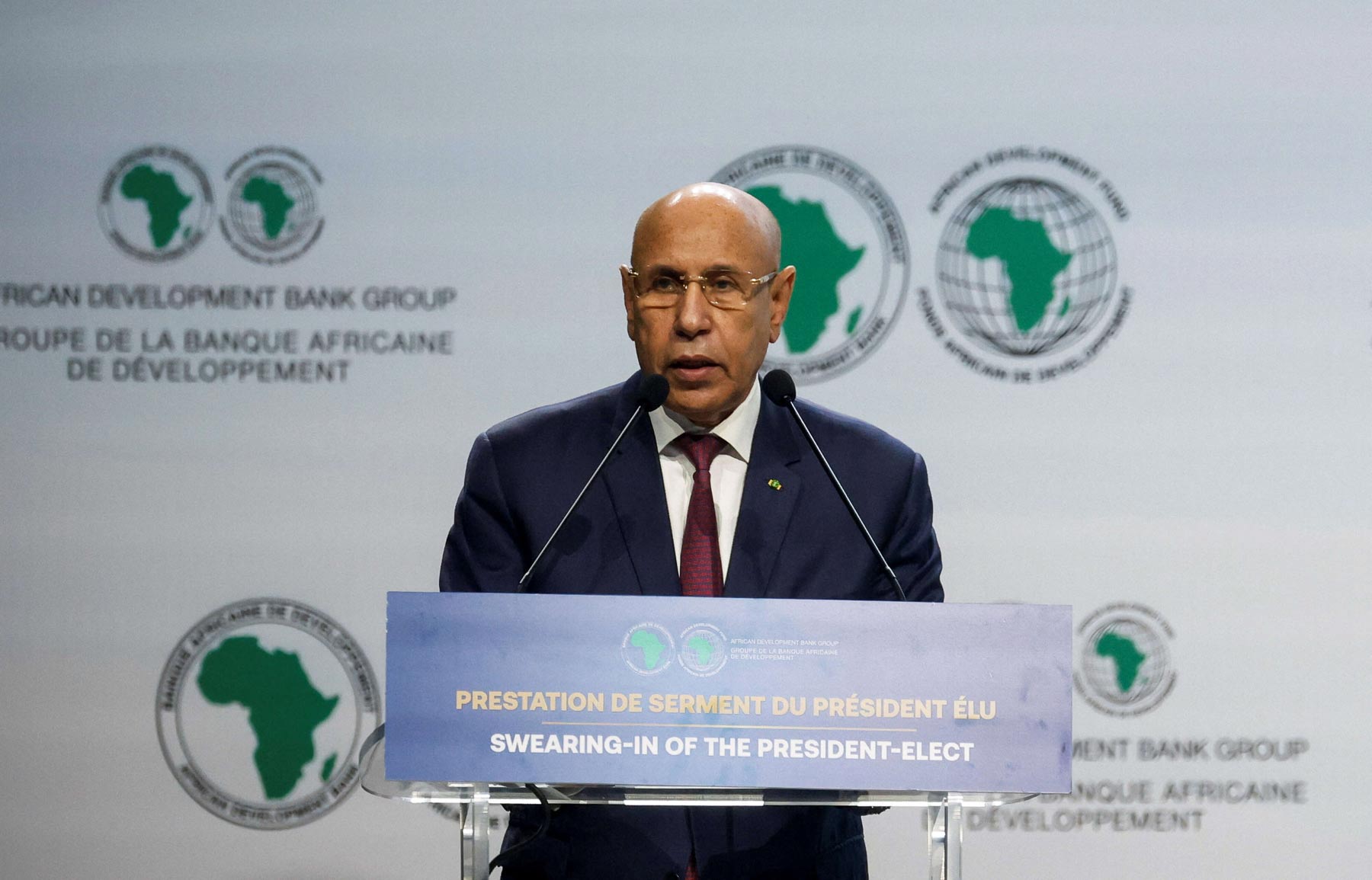
A commitment to the principles of African unity, solidarity and respect for sovereignty
Mauritania seeks bigger African role through diplomacy, investment
As instability deepens across the Sahel, Mauritania is presenting itself as a reliable partner capable of balancing security cooperation, economic reform and diplomatic engagement.
Friday 29/05/2026
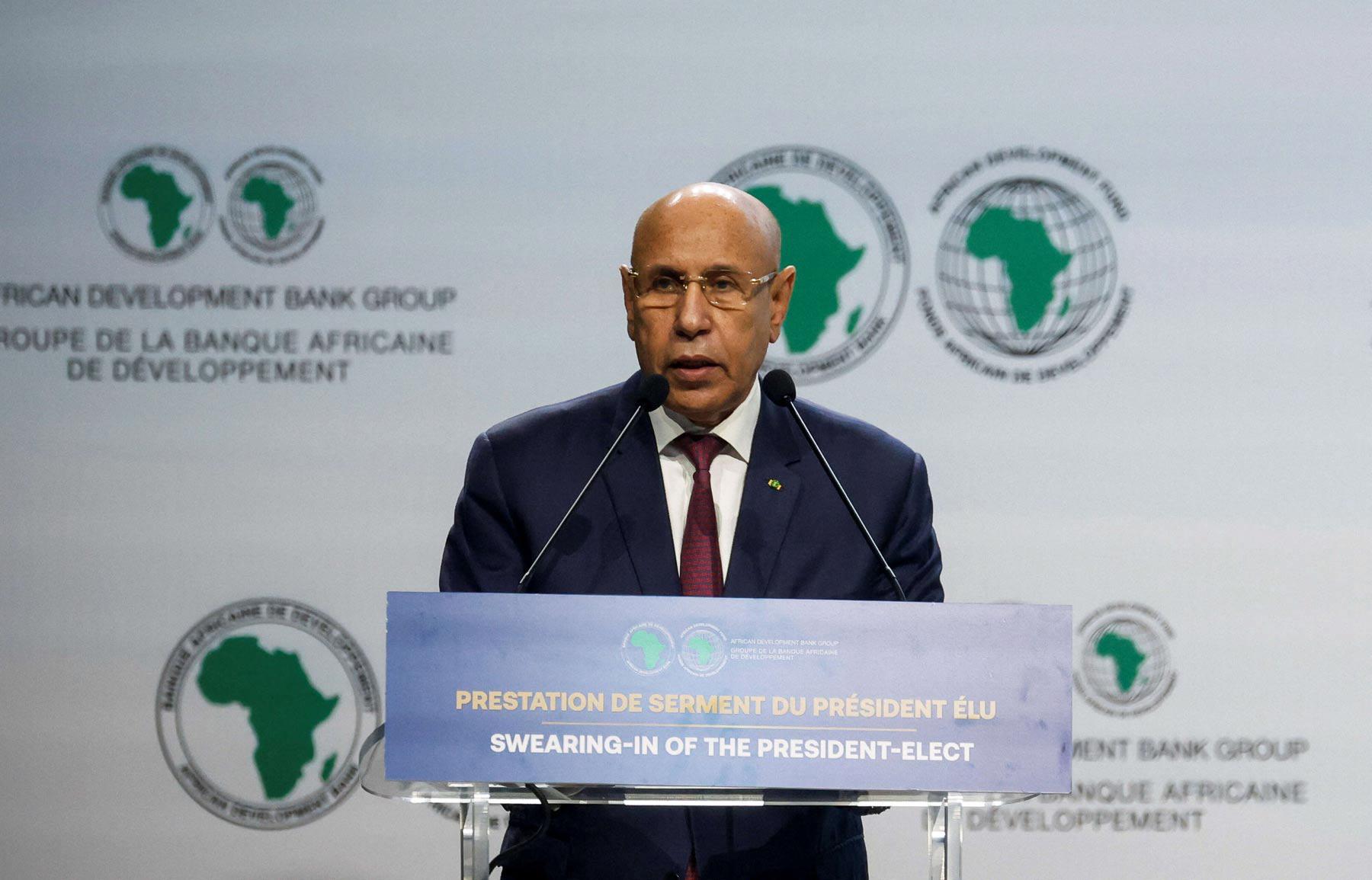
A commitment to the principles of African unity, solidarity and respect for sovereignty
BRAZZAVILLE/NOUAKCHOTT – Mauritania is increasingly positioning itself as one of Africa’s emerging diplomatic and economic actors, leveraging its strategic location, political stability and ambitious development agenda to strengthen its influence across the continent at a time of mounting regional instability and global competition for African resources.
That strategy was on full display during the annual meetings of the African Development Bank Group in Brazzaville, where Mauritanian officials presented the country as both a driver of African integration and a future energy and investment hub linking North, West and sub-Saharan Africa.
Speaking before the 61st session of the Board of Governors of the African Development Bank and the 52nd session of the African Development Fund, Mauritania’s Minister of Economic Affairs and Development Abdallahi Ould Cheikh Sidiya said the country remained firmly committed to promoting continental integration, economic transformation and sustainable development under the leadership of President Mohamed Ould Cheikh El Ghazouani.
The meetings offered Nouakchott an opportunity not only to seek development financing but also to reinforce Mauritania’s growing political profile within African institutions following Ghazouani’s tenure as chairman of the African Union in 2024.
Mauritanian officials argue that the country has increasingly become a key stabilising actor in the Sahel, a region plagued by jihadist violence, political upheaval and economic fragility.
Unlike several neighbouring states that have experienced coups or worsening insecurity in recent years, Mauritania has managed to maintain relative political stability while deepening ties with both African and Arab partners.
That positioning has strengthened its appeal as a strategic bridge between the Arab world and Africa and enhanced its diplomatic weight in continental affairs.
In a statement issued on the occasion of Africa Day, Mauritania’s foreign ministry reaffirmed the country’s commitment to the principles of African unity, solidarity and respect for sovereignty, while highlighting the role played by Ghazouani during Mauritania’s leadership of the African Union.
The ministry said Mauritania had worked to unify African positions on regional crises, support peace and stability efforts and inject fresh momentum into continental integration projects and development initiatives.
Mauritania also strongly backed the African Union’s Agenda 2063 framework, describing it as the roadmap for building “the Africa we want” through economic integration, sustainable development and stronger African institutions.
Officials further stressed the importance of water security and sanitation, the African Union’s priority theme for 2026, warning that access to water has become central to economic resilience, public health and social stability across the continent.
Beyond diplomacy, Mauritania is increasingly seeking to market itself as an investment destination and future energy powerhouse.
At the Brazzaville meetings, Mauritanian officials highlighted major economic reforms designed to modernise the financial system and attract international investment, including the creation of the Nouakchott Stock Exchange, a new financial markets authority and reforms to public procurement regulations.
The government also showcased ongoing infrastructure projects and plans to expand renewable energy production, green hydrogen development and natural gas exports.
Mauritania is considered one of Africa’s most promising future producers of green hydrogen because of its vast solar and wind resources, while offshore gas discoveries shared with neighbouring Senegal have significantly raised expectations about the country’s future economic potential.
Officials say these projects could transform Mauritania into a regional energy and logistics hub connecting African, European and Gulf markets.
On the sidelines of the AfDB meetings, Sidiya held talks with African Development Bank president Sidi Ould Tah to discuss expanding financial cooperation and accelerating development projects in Mauritania.
Current AfDB-funded programmes in the country are valued at around $646 million and cover sectors including infrastructure, energy, water, governance and private-sector support.
Mauritanian officials also pushed for stronger financing mechanisms to support local businesses and job creation, particularly as African economies face growing pressures from inflation, debt burdens and slowing global growth.
Analysts say Mauritania’s strategy reflects a broader attempt to combine economic diplomacy with geopolitical positioning.
As instability deepens across large parts of the Sahel, Mauritania is increasingly presenting itself as a reliable regional partner capable of balancing security cooperation, economic reform and diplomatic engagement.
The country’s growing ties with Gulf states, Europe and African financial institutions have further enhanced its room for manoeuvre on the international stage.
Yet significant challenges remain.
Despite ambitious reform plans, Mauritania still faces structural economic weaknesses, high unemployment and major development gaps, particularly in rural areas vulnerable to climate shocks and food insecurity.
The country must also navigate a rapidly changing geopolitical environment shaped by intensifying competition among international powers for influence in Africa, alongside persistent instability across the Sahel.
Nevertheless, Mauritanian officials appear convinced that deeper African integration and stronger regional cooperation offer the best path forward.
For Nouakchott, the message emerging from Brazzaville was clear: Mauritania no longer sees itself as a peripheral actor on the edge of the continent, but as a country seeking to play a central role in shaping Africa’s economic and political future.