

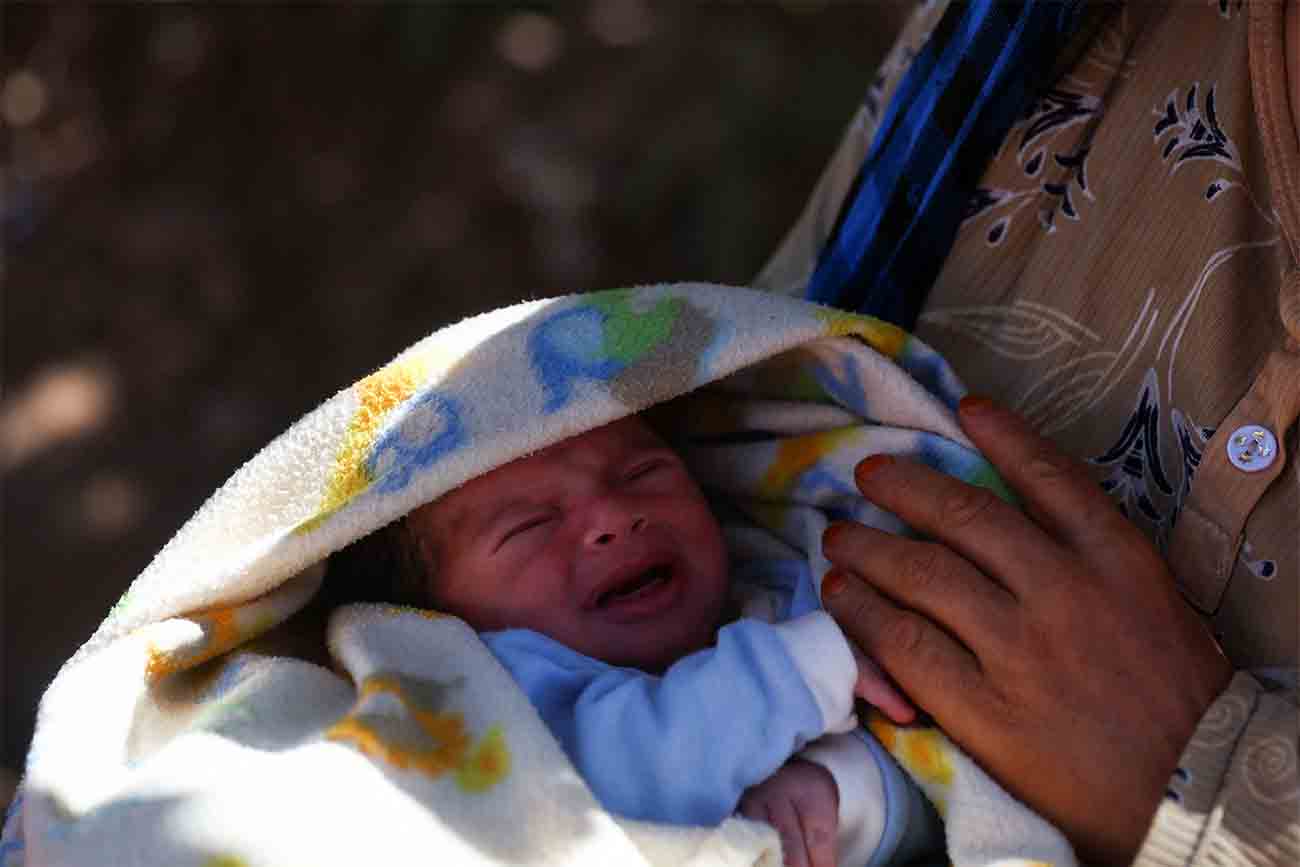
Morocco's fertility rate hit an all-time low of 1.97 children per woman
Historic fertility drop grips Morocco, Algeria, Tunisia
A French study highlights that while the outcome across all three nations is similar, the underlying societal mechanisms vary, shattering the notion of a single, uniform regional path.
Saturday 30/05/2026
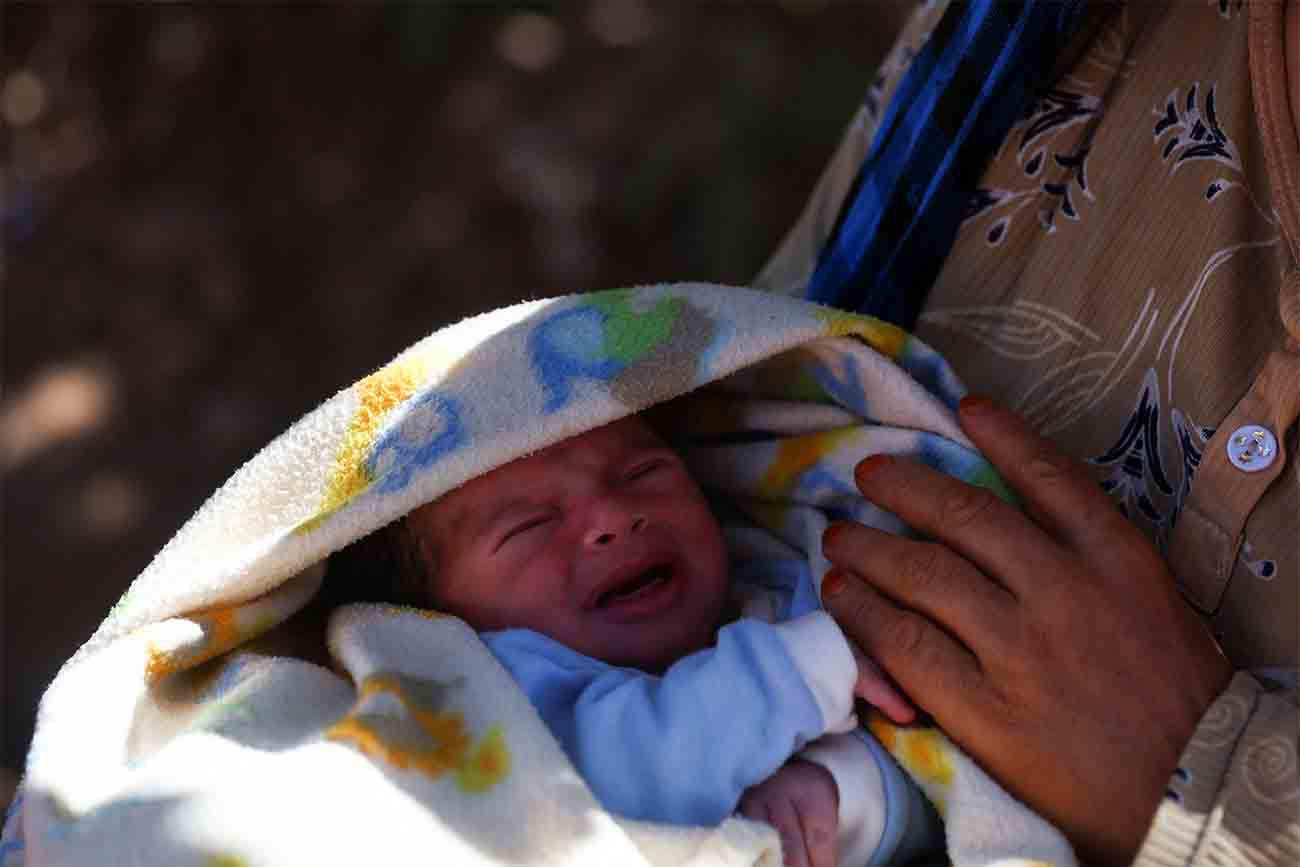
Morocco's fertility rate hit an all-time low of 1.97 children per woman
RABAT - The countries of the Maghreb are facing a historic demographic shift. According to a comprehensive report published by the French Institute for Demographic Studies (INED), a rapid, structural, and simultaneous collapse in fertility rates has taken hold across Algeria, Morocco, and Tunisia.
The study reveals that the days of high regional population growth are over. The sub-replacement and low-fertility realities that once belonged strictly to Europe and East Asia have firmly settled into North Africa.
From Seven Children to Sub-Replacement: A Historical Collapse
The starting point of this demographic transition was remarkably high. In the 1970s, women in Algeria, Morocco, and Tunisia had some of the highest birth rates globally, averaging between seven and eight children each. By the early 1990s, that figure had plummeted to roughly half.
Today, the INED data demonstrates that low fertility has become "durably settled," though the three neighbors have reached this point via distinct paths:
- Morocco: The Kingdom has crossed a historic demographic Rubicon. Without experiencing any temporary rebounds, Morocco's fertility rate hit an all-time low of 1.97 children per woman. This places Morocco firmly below the demographic replacement threshold of $2.1$ children per woman required to keep a population stable without immigration.
- Tunisia: Long the regional pioneer in family planning, Tunisia has slid even further into a "very low fertility" bracket, with its rate dipping to 1.58 and continuing a steady downward path.
- Algeria: Unlike its neighbours, Algeria experienced a surprising "baby boomlet" between 2000 and 2017, where fertility rates temporarily surged back above three children per woman. However, that anomaly has officially ended. Algeria’s rate has dropped sharply back down to 2.61 children per woman, realigning with the broader regional downward trend.
What is Driving the Decline?
The report highlights that while the outcome across all three nations is similar, the underlying societal mechanisms vary, shattering the notion of a single, uniform regional path.
1. The Contraceptive Revolution in Morocco
In Morocco, the decline did not happen because women stopped marrying. In fact, data reveals that Moroccan women are marrying relatively younger, with the mean age of first marriage for women actually moving backward from 26.3 years in 2004 to 24.6 years. Instead, Morocco’s numbers are driven by a massive embrace of modern family planning. Contraceptive use among Moroccan women has reached a sustained 70% across all methods, with 58% utilizing modern methods like the pill, IUDs, and implants.
2. Delayed Marriage and Higher Education in Tunisia
In Tunisia, the main driver remains the delay of marriage and prolonged education. The average age of first marriage for Tunisian women reached 28.9 years. As women spend longer periods in higher education and face delayed entry into a competitive labor market, the window for childbearing naturally narrows.
The Universal Two-Child Norm
The INED study concludes that across the entire Maghreb, a major social transformation has occurred: the two-child family has transitioned from an urban anomaly into a deeply ingrained, universal norm adopted by both rural and urban populations alike.
The Economic and Societal Realities of an Aging Maghreb
The structural shift is already leaving a distinct mark on the region's population pyramids. The wide-based triangles of the 1960s have been replaced by narrowing bases, signaling a rapidly shrinking youth bracket and an expanding elderly population.
The pace of population aging varies by country but is accelerating everywhere:
- Tunisia is aging the fastest; the segment of the population aged 60 and older skyrocketed from 8% in 1997 to 17%. Concurrently, the proportion of Tunisians under the age of 20 has shriveled significantly.
- Morocco follows closely, with citizens aged 60 and over making up 13.8% of the population.
- Algeria remains the youngest of the three due to its mid-2010s baby boom, with older citizens making up 10.5% of its population, though it is expected to catch up quickly as annual birth numbers decrease mechanically.
A Challenging Road Ahead
The long-term demographic arithmetic points to a stark reality for North African policymakers. As smaller generations reach reproductive age, the total number of annual births will continue to drop.
For decades, the Maghreb relied on its "youth bulge" to drive economic ambitions. Now, facing an aging workforce, strained healthcare infrastructure, and a lack of fresh demographic rebounds on the horizon, these nations must quickly pivot. If the natural population balance turns negative in the coming decades, long-term stability and growth will become dependent on a positive migratory balance—a complex prospect for a region historically defined by net emigration.