
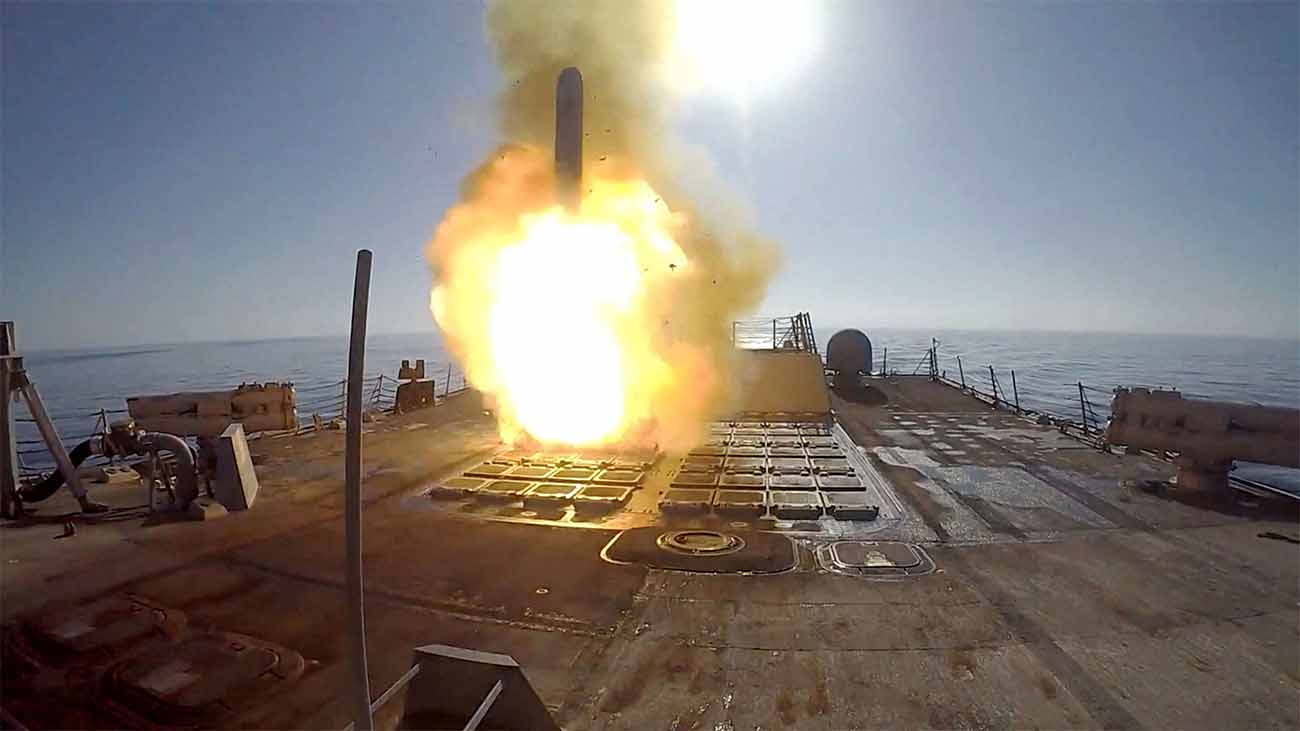
The Iran war consumed large volumes of America’s most advanced missiles, including Tomahawks, Patriot interceptors, and THAAD systems
The ammunition trap: Is the Iran war quietly exhausting America’s ability to fight China?
Modern high-intensity warfare is exposing a harder truth: advanced missiles are expensive, production is slow, and stockpiles are finite. The Iran conflict has highlighted this vulnerability.
Tuesday 02/06/2026
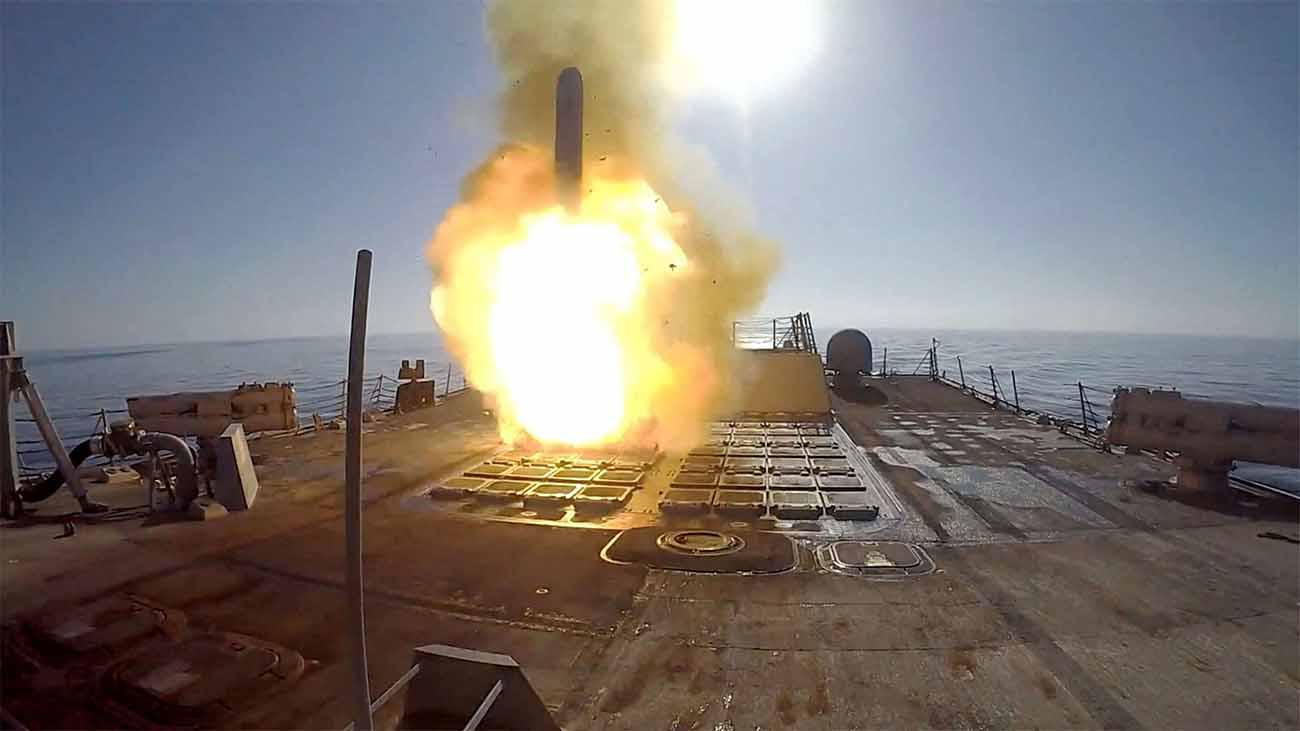
The Iran war consumed large volumes of America’s most advanced missiles, including Tomahawks, Patriot interceptors, and THAAD systems
Wars are often judged by territory gained, governments shaken, or ceasefires signed. But some wars reshape power in quieter ways. The United States’ military campaign tied to the Iran conflict may be doing exactly that. Beyond the Gulf, beyond Israel, and beyond oil markets, a deeper strategic question is emerging: Is Washington burning through the very weapons it may need most in a future confrontation with China?
This question now sits at the center of a growing debate inside U.S. defense circles. A recent Center for Strategic and International Studies (CSIS) assessment warned that the Iran war consumed large volumes of America’s most advanced missiles, including Tomahawks, Patriot interceptors, and THAAD systems. In some categories, more than half of prewar stockpiles may already be depleted, while rebuilding could take years. This is not merely an accounting problem. It is a strategic one.
For decades, U.S. military supremacy depended not only on technological sophistication but also on industrial depth. America’s deterrence model assumed it could fight in one theater while discouraging rivals in another. Yet modern high-intensity warfare is exposing a harder truth: advanced missiles are expensive, production is slow, and stockpiles are finite.
The Iran conflict has highlighted this vulnerability. Precision weapons once designed for major power conflict are being expended in large numbers in the Middle East. Patriot and THAAD systems are particularly significant because they are central not only to Gulf defense but also to any Pacific war scenario involving Taiwan, Japan, or U.S. regional bases. A prolonged Middle East drain could therefore affect Indo-Pacific readiness.
Beijing’s military planners have long studied America’s logistical strengths and weaknesses. If U.S. stockpiles are being consumed faster than they can be replaced, this may alter Chinese calculations about timing, escalation, or regional coercion. Deterrence is psychological as much as military. It depends on convincing adversaries that your capacity is deep, sustainable, and globally flexible. Visible depletion can weaken that image even before a second war begins.
This does not mean the United States is suddenly unable to fight China. America still retains enormous military advantages, alliance networks, and naval reach. But deterrence is rarely about absolute strength. It is about readiness under pressure. If replenishment timelines stretch from three to six years for critical systems, strategic confidence becomes more complicated.
The problem is also industrial. The post-Cold War era prioritized efficiency over surge capacity. Defense supply chains became leaner. Production lines for sophisticated munitions were not designed for simultaneous major-theater warfare. The Iran war is therefore exposing a broader structural issue: America’s military-industrial base may be formidable, but it may not yet be optimized for prolonged dual-front competition against both regional and peer-level threats.
For Gulf states, it raises questions about the durability of U.S. security guarantees. For Taiwan, it sharpens anxieties about whether American commitments could be strained by crises elsewhere. For Europe and Asia alike, it reinforces an uncomfortable reality: in an era of overlapping wars, alliance assurances may increasingly depend on industrial mathematics.
There is also a political dimension. Every missile launched in the Middle East carries not only military cost but opportunity cost. The deeper U.S. involvement becomes, the harder it may be to pivot fully toward Asia without expanding budgets, accelerating production, or redefining strategic priorities. This is the essence of the ammunition trap: a regional war that slowly consumes the material basis of global deterrence.
History offers warnings
Great powers are rarely weakened only by defeat. Often, they are weakened by overstretch. The British Empire faced this dilemma in the early 20th century. The Soviet Union faced it in Afghanistan. America’s challenge today is not identical, but the principle is familiar: strategic overextension can erode power even without battlefield collapse.
For now, Washington appears determined to accelerate procurement and reassure allies. But rebuilding missiles is slower than firing them. Factories cannot instantly match battlefield tempo.
The Iran war may therefore become more than a Middle Eastern conflict. It may become a test of whether the United States can sustain its role as a two-theater superpower in an age of expensive, industrial-scale precision warfare.
The real battlefield may not only be Tehran or Hormuz. It may also be the factory floor, the missile inventory spreadsheet, and the calculations being made quietly in Beijing.