


A highly sensitive security issue
Thousands of foreign fighters pose crucial test for Syria’s new leadership
For now, Damascus appears to favour gradual integration rather than mass deportation or direct confrontation.
Monday 08/06/2026
A highly sensitive security issue
DAMASCUS – A dispute involving Uzbek former foreign fighters has reopened one of the most sensitive security challenges confronting Syria’s new leadership: how to deal with thousands of non-Syrian combatants who helped topple Bashar al-Assad but now occupy an uncertain place in the country’s post-war order.
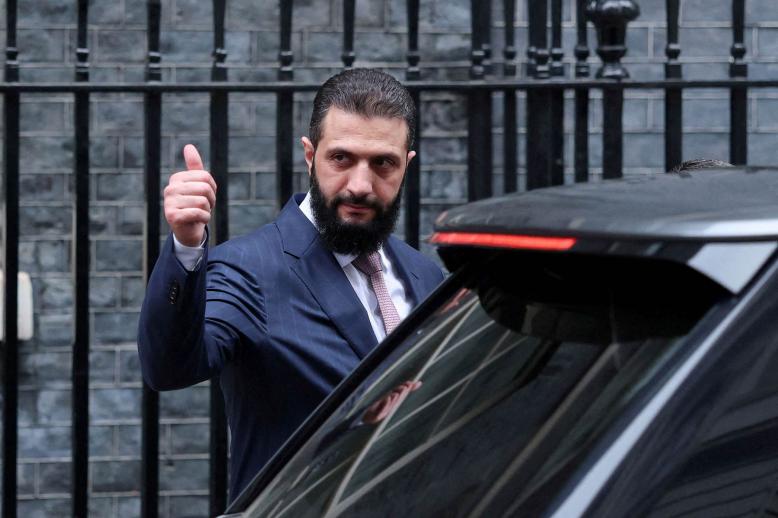
The controversy has highlighted the difficulties facing President Ahmed al-Sharaa’s government as it seeks to consolidate authority, dismantle independent armed networks and rebuild Syria’s military and security institutions under central state control.
A statement issued by Uzbek fighters criticised government policies and warned of growing dissatisfaction among foreign combatants, underscoring concerns over legal status, security guarantees and the future of families who settled in Syria during more than a decade of war.
The issue has become one of the defining tests of Syria’s transition after Assad’s fall in December 2024.
Thousands still under arms
Foreign fighters began arriving in Syria in large numbers from 2012 onwards, travelling from Central Asia, the Caucasus, China, Afghanistan, North Africa and Europe.
Many joined Islamist factions and jihadist organisations, including the Turkistan Islamic Party, composed largely of Uyghur fighters from China, the Imam Bukhari Battalion, which includes Uzbek fighters, as well as Chechen and other Caucasian formations.
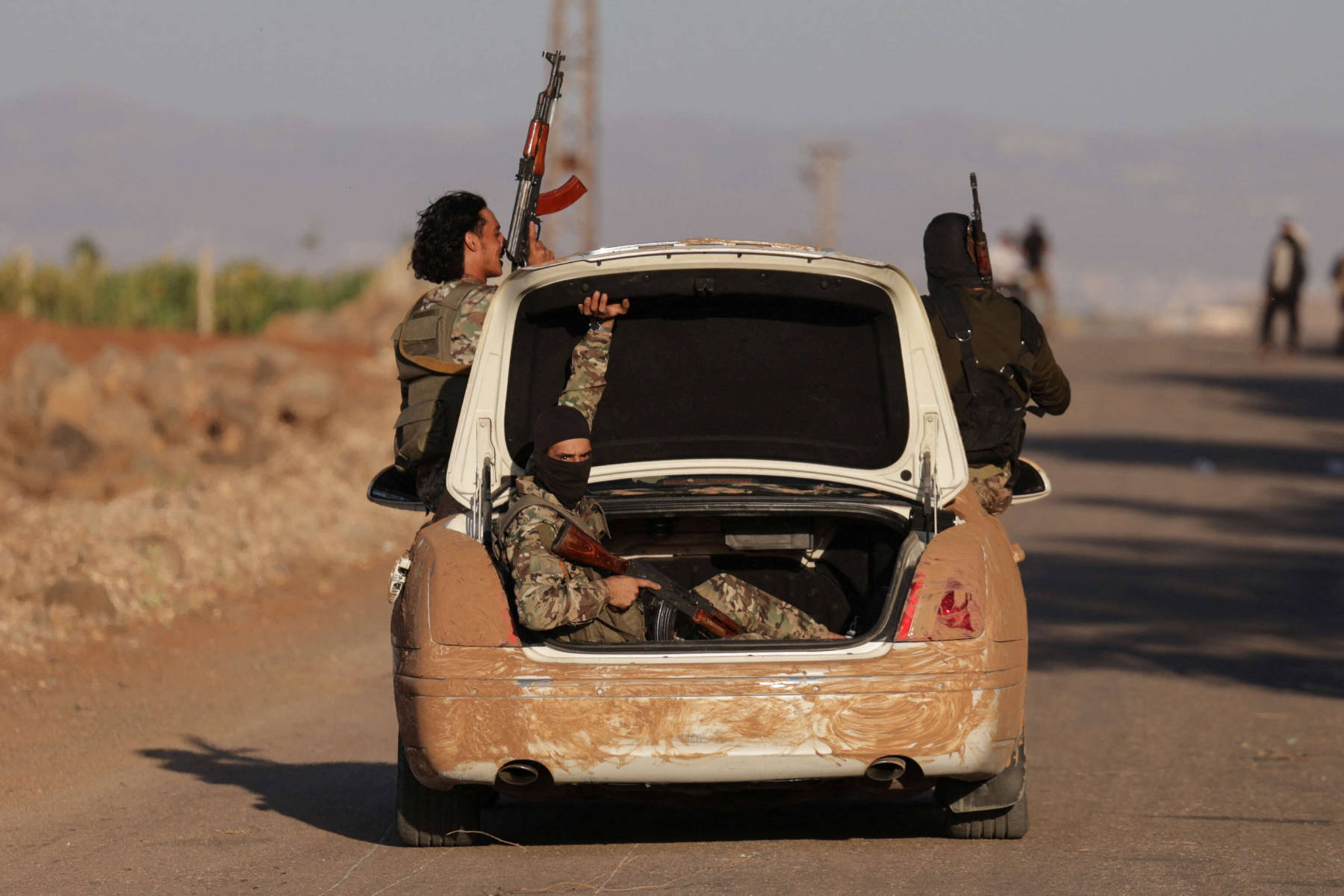
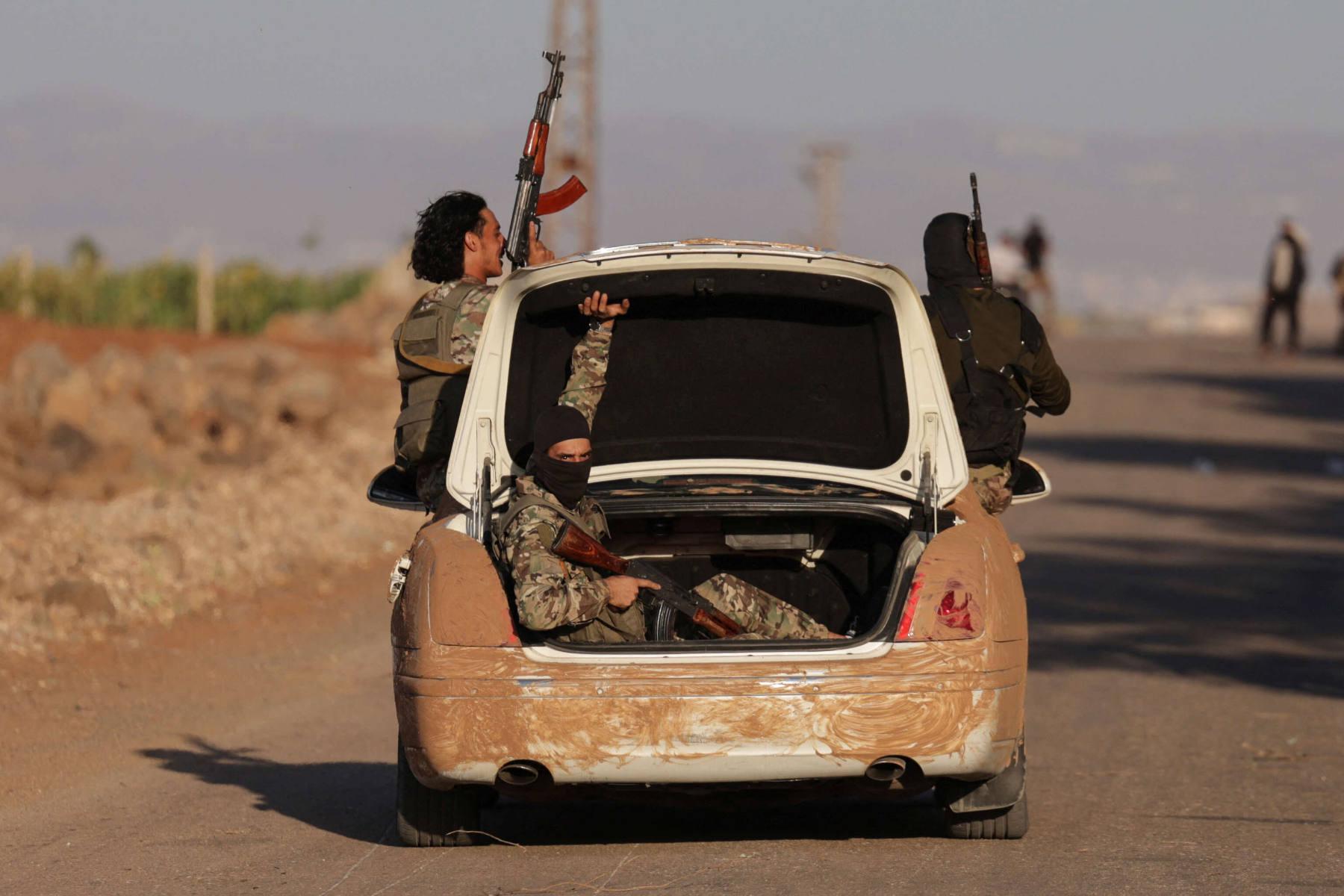
Although their influence has diminished significantly compared with the early years of the conflict, analysts estimate that around 5,000 foreign fighters remain under arms in Syria.
Experts say their military experience, organisational structures and transnational connections continue to make them a highly sensitive security issue.
While some have integrated into local communities and established families, others remain organised within military networks developed during the war.
Integration preferred over confrontation
The Syrian government has repeatedly stressed its determination to restore the state's monopoly on force and eliminate armed structures operating outside official institutions.
For now, Damascus appears to favour gradual integration rather than mass deportation or direct confrontation.
Reports indicate that authorities are attempting to absorb some foreign fighters into official military structures under Syrian command as part of a broader strategy to dismantle autonomous armed networks.
Security and political analysts say this is likely the least costly option.
Many foreign fighters cannot safely return to their countries of origin because they face prosecution, imprisonment or other security consequences. Some governments remain unwilling to accept their return, while others insist on criminal proceedings.
Idlib crisis exposes tensions
The challenges surrounding integration became visible in early May when Syrian security forces launched operations targeting Uzbek fighters in the Idlib countryside.
According to security reports, authorities attempted to arrest an Uzbek fighter accused of opening fire in Idlib. The incident escalated into wider tensions, resulting in arrests and protests by other Uzbek fighters.
Government forces subsequently deployed reinforcements across parts of Idlib province while sporadic clashes and heightened security measures were reported.
The episode revealed deep mistrust between some foreign fighters and state authorities.
Many combatants reportedly fear that integration offers insufficient legal protections and worry about possible detention, deportation or marginalisation under the new political order.
Islamic State seeks to exploit divisions
The tensions have also created an opening that Islamic State (ISIS) is attempting to exploit.
In an article published in its weekly Al-Naba newsletter, ISIS warned foreign fighters that Syria’s new government would ultimately move against them under pressure from external powers and urged them to join the group instead.
Analysts, however, caution that while the organisation is trying to capitalise on frustrations, most Uzbek and other foreign fighters remain deeply opposed to ISIS ideology and its history of attacking rival jihadist groups.
Previous recruitment appeals by ISIS during earlier periods of tension achieved limited success.
Nevertheless, security specialists warn that prolonged uncertainty could increase the risk of radicalisation among a small minority of disillusioned fighters.
A defining test for Syria’s future
The handling of foreign fighters has become a key indicator for regional and Western governments assessing Syria’s prospects for long-term stability.
Observers say failure to resolve the issue could leave armed groups operating outside state authority, create parallel military structures and increase the risk of recurring unrest in northern Syria.
At the same time, successfully integrating foreign combatants into state institutions could strengthen Syria’s efforts to rebuild its military, restore sovereignty and prevent the re-emergence of militant networks.
The Uzbek crisis has therefore become far more than a localised security dispute.
It is increasingly viewed as a critical test of whether Syria’s new leadership can transform a fragmented wartime landscape into a functioning state security system while managing one of the most complex legacies of the country’s long conflict.