

The partnership could evolve into a broader strategic relationship
Morocco, Canada move towards broader security, judicial cooperation
The Royal Canadian Mounted Police (RCMP) said it places "great importance" on its relations with Moroccan security institutions, notably the General Directorate of National Security (DGSN) and the General Directorate for Territorial Surveillance (DGST).
Monday 08/06/2026
The partnership could evolve into a broader strategic relationship
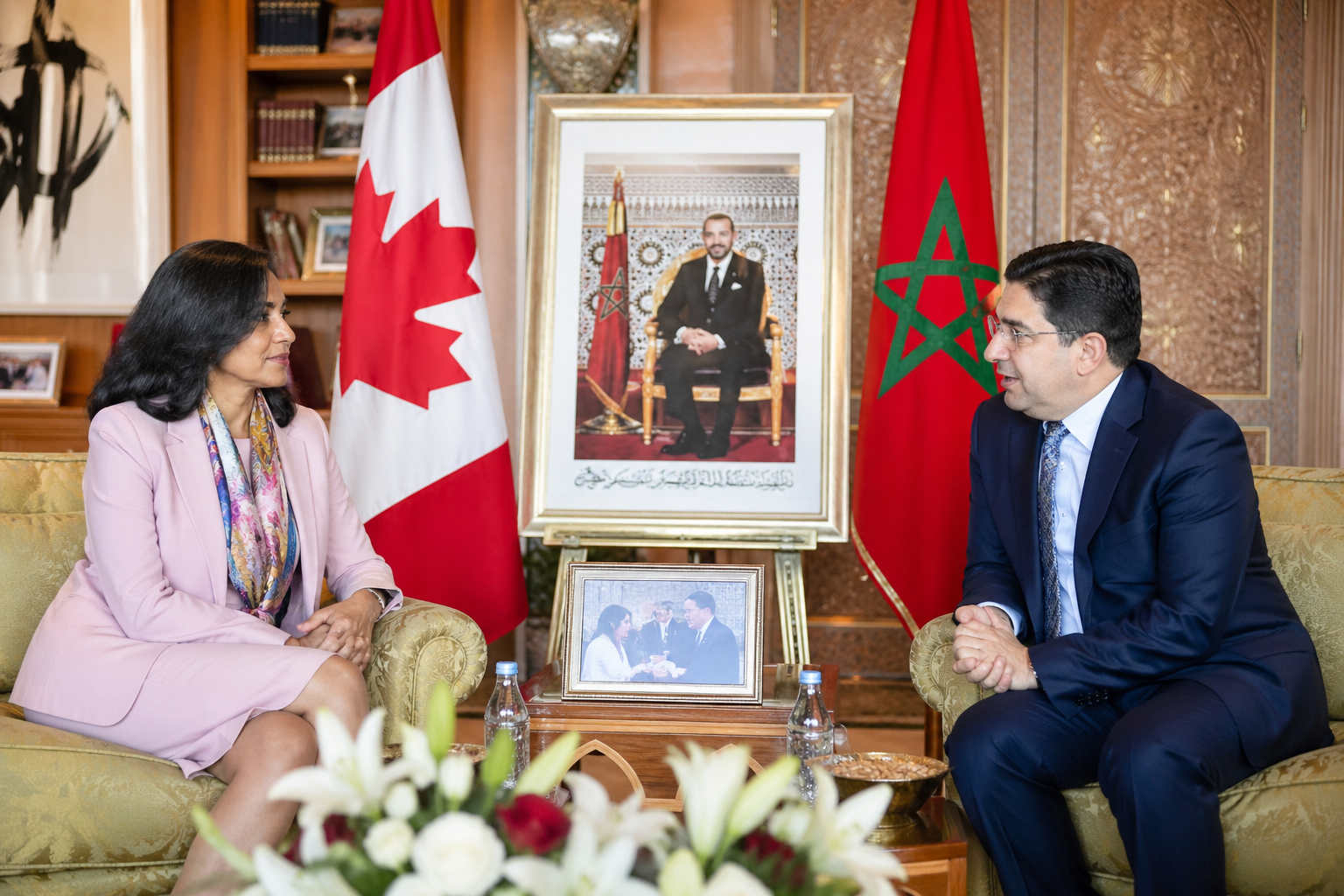
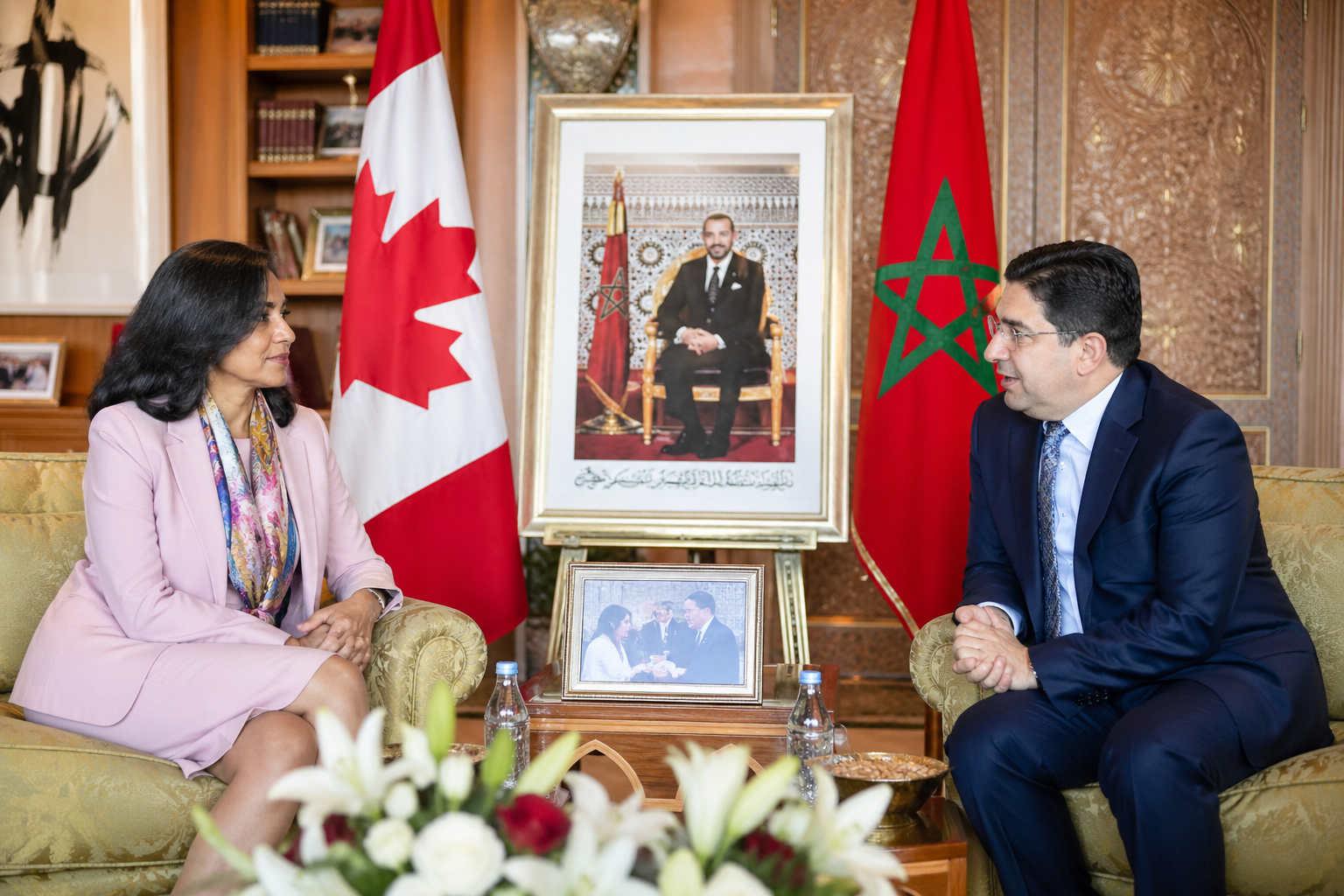
RABAT – Canada's endorsement of Morocco's autonomy plan for the Moroccan Sahara is opening the door to a broader strategic partnership between Rabat and Ottawa, with security, policing and judicial cooperation emerging as key areas for expansion.
The shift follows Canada's announcement in April that it viewed Morocco's autonomy proposal as a "serious and credible initiative" and a basis for a mutually acceptable settlement of the decades-old dispute, a position welcomed in Rabat as a significant diplomatic gain.
In the same statement, Ottawa pledged to renew bilateral relations on the basis of "mutual respect", "constructive dialogue" and "openness", signalling a wider effort to strengthen ties beyond the political sphere.
Security cooperation is increasingly viewed as one of the most practical ways of translating that political rapprochement into concrete action.
The Royal Canadian Mounted Police (RCMP) said it places "great importance" on its relations with Moroccan security institutions, notably the General Directorate of National Security (DGSN) and the General Directorate for Territorial Surveillance (DGST), describing the partnership as part of a long tradition of fruitful cooperation.
In written comments, the RCMP said its international liaison officers, including those based in Rabat, help maintain operational links between Canadian law-enforcement agencies and foreign counterparts, supporting efforts against transnational crime and security threats.
The Canadian force said cooperation with Morocco has covered counter-terrorism, organised crime, drug trafficking, fraud and economic crime, stressing that "crime has no borders" and that strengthening relations with international partners remains a constant objective.
The growing importance of such cooperation reflects the changing nature of global threats, which increasingly operate across jurisdictions and require sustained exchanges of information, intelligence and expertise.
Analysts say the closer political relationship between Rabat and Ottawa could strengthen coordination on a range of issues, including terrorism, organised crime, irregular migration, illicit trafficking and emerging cyber-enabled criminal activity.
The judicial dimension is also expected to become increasingly important.
The RCMP acknowledged that differences between Canadian and Moroccan legal systems can sometimes complicate cooperation, but said continuous dialogue and institutional engagement help address legal and procedural challenges while respecting the laws of both countries.
Security experts note that effective judicial coordination is becoming essential as criminal networks exploit digital technologies and operate across multiple jurisdictions. In such cases, legal classification, evidence-sharing and mutual legal assistance often determine whether investigations succeed.
The issue is particularly relevant as both countries seek stronger mechanisms to combat crimes that target individuals, institutions and critical interests beyond national borders.
For Morocco, enhanced cooperation could support efforts to tackle transnational threats affecting its citizens and institutions. For Canada, it could help ensure that legal or procedural differences are not exploited by criminal networks operating internationally.
The strengthening relationship comes after Ottawa formally recognised Morocco's autonomy initiative as the basis for a political solution to the Sahara dispute. Canada's foreign ministry said the position reflected its assessment of efforts to reach a just, lasting and mutually acceptable settlement.
The ministry also noted the importance of the issue to Morocco and referenced UN Security Council Resolution 2797 adopted in October 2025.
Observers say security, policing and judicial cooperation now appear among the areas most capable of giving practical substance to the diplomatic rapprochement between Rabat and Ottawa.
If accompanied by stronger legal coordination mechanisms and deeper operational cooperation, they say, the partnership could evolve into a broader strategic relationship focused on addressing increasingly complex transnational threats while respecting the legal frameworks and sovereign interests of both countries.