

New regional alignments
Turkey sees strategic opening as Iran war recasts regional order
The war has pushed security concerns to the forefront of policy debates across the Gulf, where governments increasingly acknowledge both the indispensability and limitations of the US security umbrella.
Wednesday 10/06/2026
New regional alignments
ANKARA – The war in Iran is reshaping the political and strategic landscape of the Middle East, creating new challenges but also significant opportunities for Turkey as regional powers adjust to a rapidly evolving order.
For Ankara, one of the gravest concerns throughout the conflict has been the possibility of state collapse in Iran. Turkish policymakers fear such a scenario could unleash years of instability across the region, fuel proxy conflicts, trigger major refugee flows and revive sensitive Kurdish security questions along Turkey's borders.
Turkish officials also worry that prolonged turmoil in Iran could further embolden Israel, backed by the United States, to reshape regional dynamics according to its own strategic vision.
So far, however, Iran's resilience has prevented the worst-case scenario from materialising.
Turkey's immediate priorities are twofold. Ankara seeks to prevent a return to wider regional war while simultaneously expressing concern over what it sees as Iranian efforts to rewrite the rules governing Gulf security and maritime navigation.
Particular attention has focused on Iran's approach to the Strait of Hormuz. Turkish Foreign Minister Hakan Fidan has warned that new Iranian transit arrangements could become a fresh source of regional tension and potentially give Tehran greater leverage over Gulf economies and security.
Ankara believes such moves could ultimately push Gulf states closer to both Washington and Israel.
Yet the conflict is also generating strategic openings for Turkey.
One of the most significant opportunities lies in defence and security cooperation. The war has pushed security concerns to the forefront of policy debates across the Gulf, where governments increasingly acknowledge both the indispensability and limitations of the US security umbrella.
While Gulf countries are expected to maintain strong ties with Washington, many are simultaneously seeking alternative partnerships as a hedge against overdependence on a single power.
Turkey appears well placed to benefit from this trend.
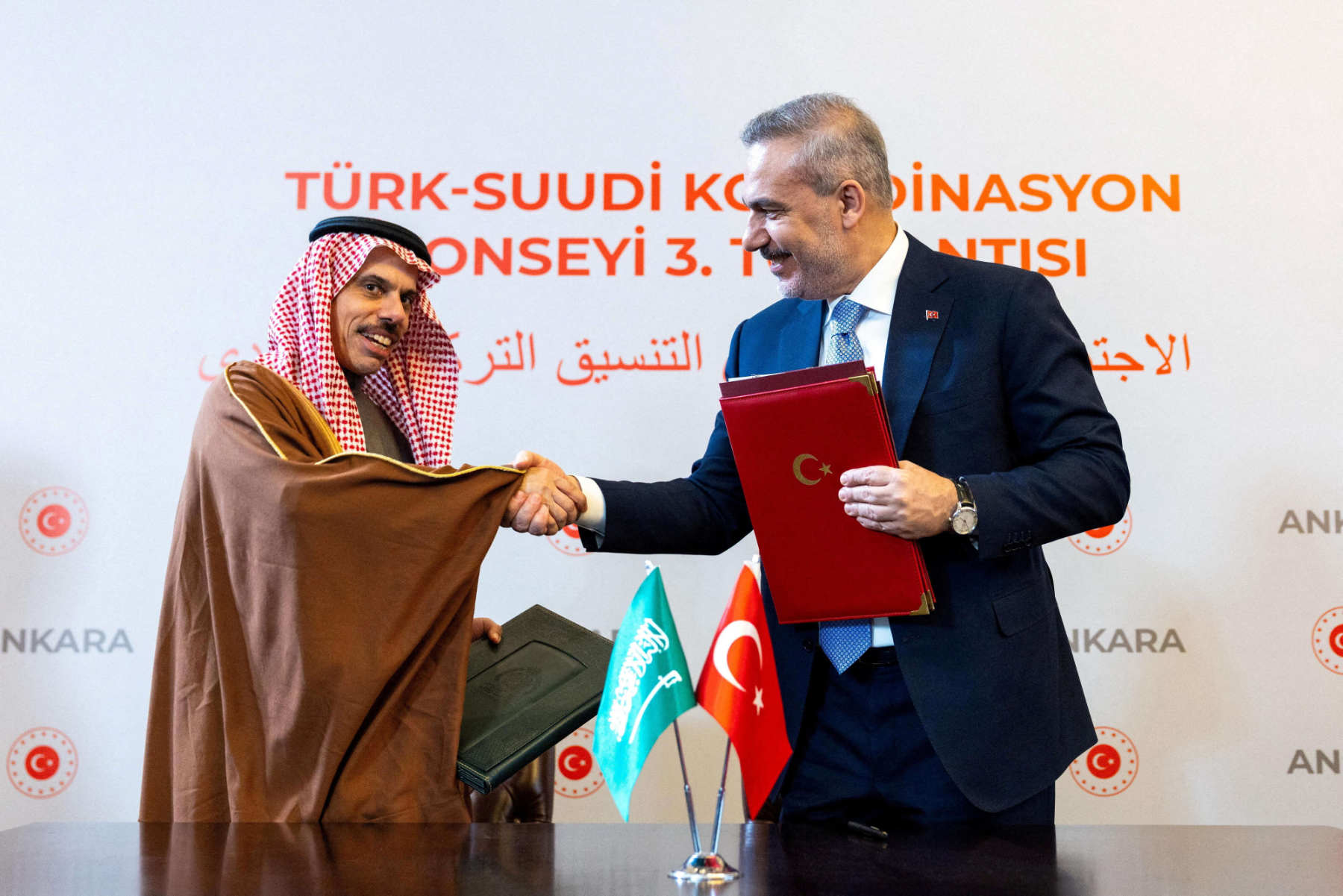
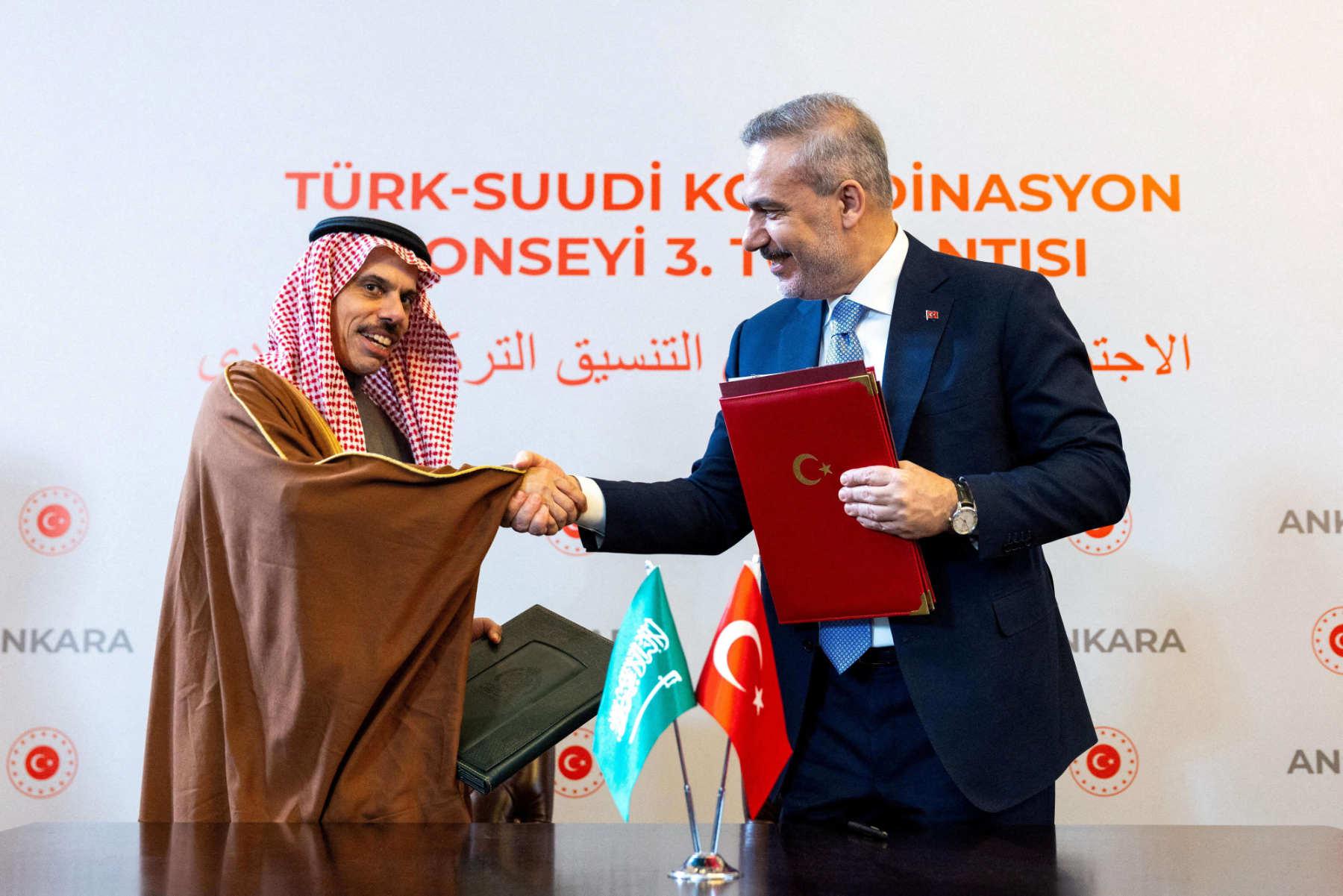
Its growing defence industry, combined with strong relations with both Gulf governments and US President Donald Trump, has strengthened Ankara's credentials as a potential long-term security partner.
Analysts expect future cooperation to extend beyond the purchase of Turkish weapons systems and drones to include joint manufacturing projects, technology transfers, defence investments and military training programmes.
The conflict has also elevated discussions over regional trade corridors and strategic connectivity.
Disruptions linked to the Strait of Hormuz have revived interest in alternative transport routes and supply chains connecting Asia, the Middle East and Europe.
Turkey already occupies a central position in several major connectivity initiatives, including the Iraq Development Road project and the Middle Corridor linking Asia to Europe.
These projects are increasingly viewed not only as economic ventures but as instruments shaping future geopolitical alignments.
Turkish policymakers are also exploring ways to expand these networks further. Proposals include integrating Syria into the Iraq Development Road to provide a shorter route to the Mediterranean and incorporating Armenia more deeply into regional transport initiatives as part of ongoing normalisation efforts.
Interest is also growing in the proposed Hejaz Railway corridor, which would connect Turkey, Syria, Jordan and Saudi Arabia, creating a new overland route between the Gulf and Europe.
Beyond trade and security, the Iran war appears to be accelerating the emergence of new regional alignments.
One example is the informal grouping involving Turkey, Saudi Arabia, Egypt and Pakistan. Although not a formal alliance, the framework reflects growing coordination among influential regional powers seeking to shape the post-war order.
Turkish officials are keen to keep such platforms open and flexible, arguing that exclusive blocs risk fuelling new rivalries and fragmentation.
Improving relations between Turkey and Gulf Cooperation Council states could also generate momentum in other areas, including ongoing negotiations over a GCC-Turkey free trade agreement.
Meanwhile, Ankara hopes recent tax and regulatory reforms will attract investment capital seeking alternatives beyond the Gulf region.
Whether or not a comprehensive peace agreement emerges in the coming months, the consequences of the Iran war are already transforming the Middle East.
The final winners and losers remain uncertain. What is becoming increasingly clear, however, is that Turkey's regional role is likely to expand significantly as new security partnerships, trade networks and diplomatic alignments take shape across the region.