

Paying more to keep customers close
UAE banks raise savings rates as competition for deposits intensifies
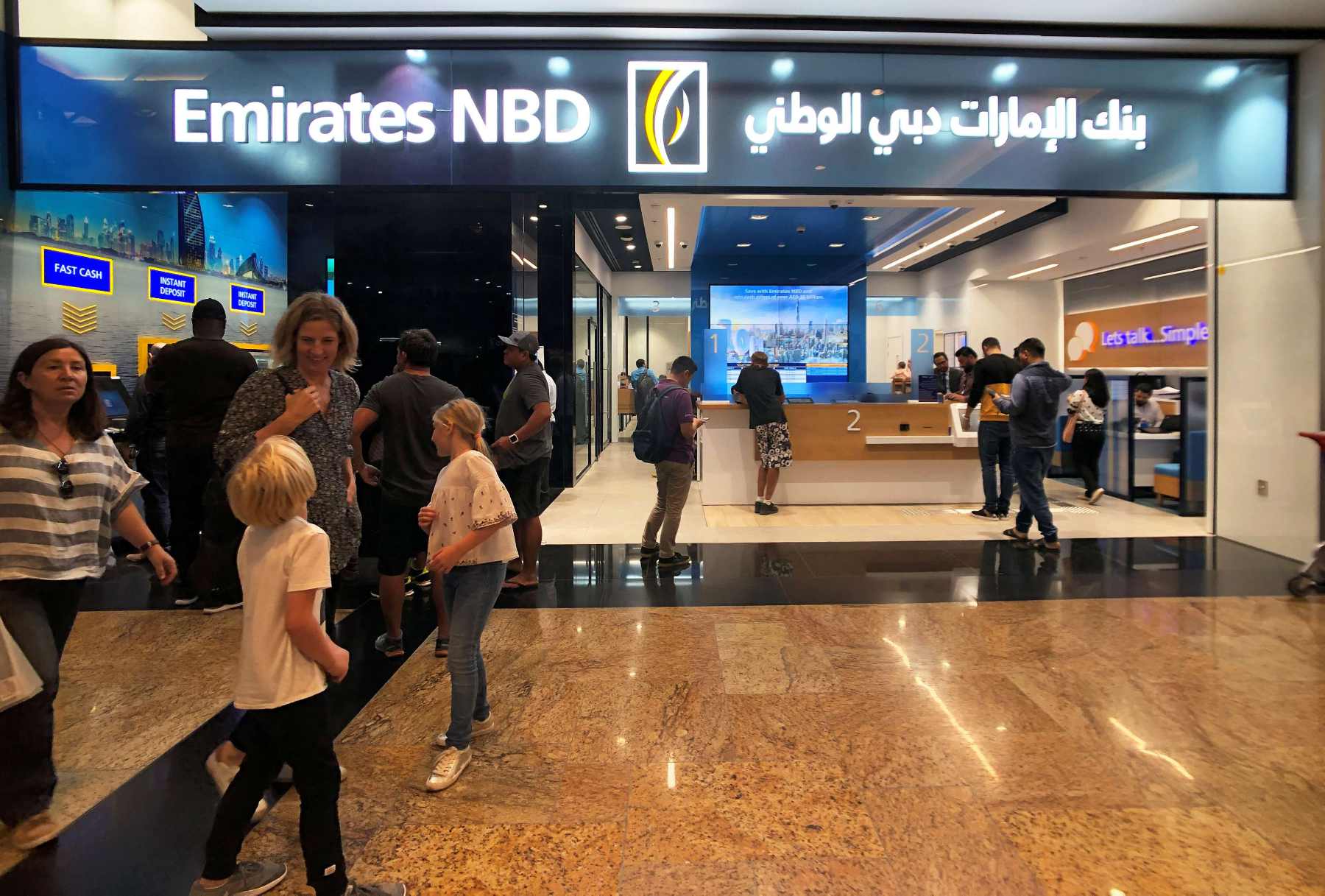
Dubai's largest bank Emirates NBD is offering up to 5 percent per annum for customers holding or opening a "Saver Plus" account between April 1 and June 30 and depositing new funds.
Wednesday 10/06/2026
Paying more to keep customers close
ABU DHABI – UAE banks are bolstering deposits by ratcheting up interest rates for new savers and rewarding clients who pay in their salaries.
The UAE has worked hard over the past decades to establish itself as a global financial, business and tourism hub as part of largely successful efforts to diversify its previously oil-dependent economy.
Its domestic banks are, however, now finding their predominance threatened by tech-savvy digital upstarts with lower overhead costs.
The central bank said the raft of new offers from the country's banks were "normal market activity to attract retail deposits and provide loans."
Fadi Zoghby, Dubai-based partner at consulting firm McKinsey, said the conflict may have made stable retail deposits more valuable for banks.
"The timing is notable, but I would not call this a sudden war-driven deposit scramble," he said.
Sweet deals for new deposits
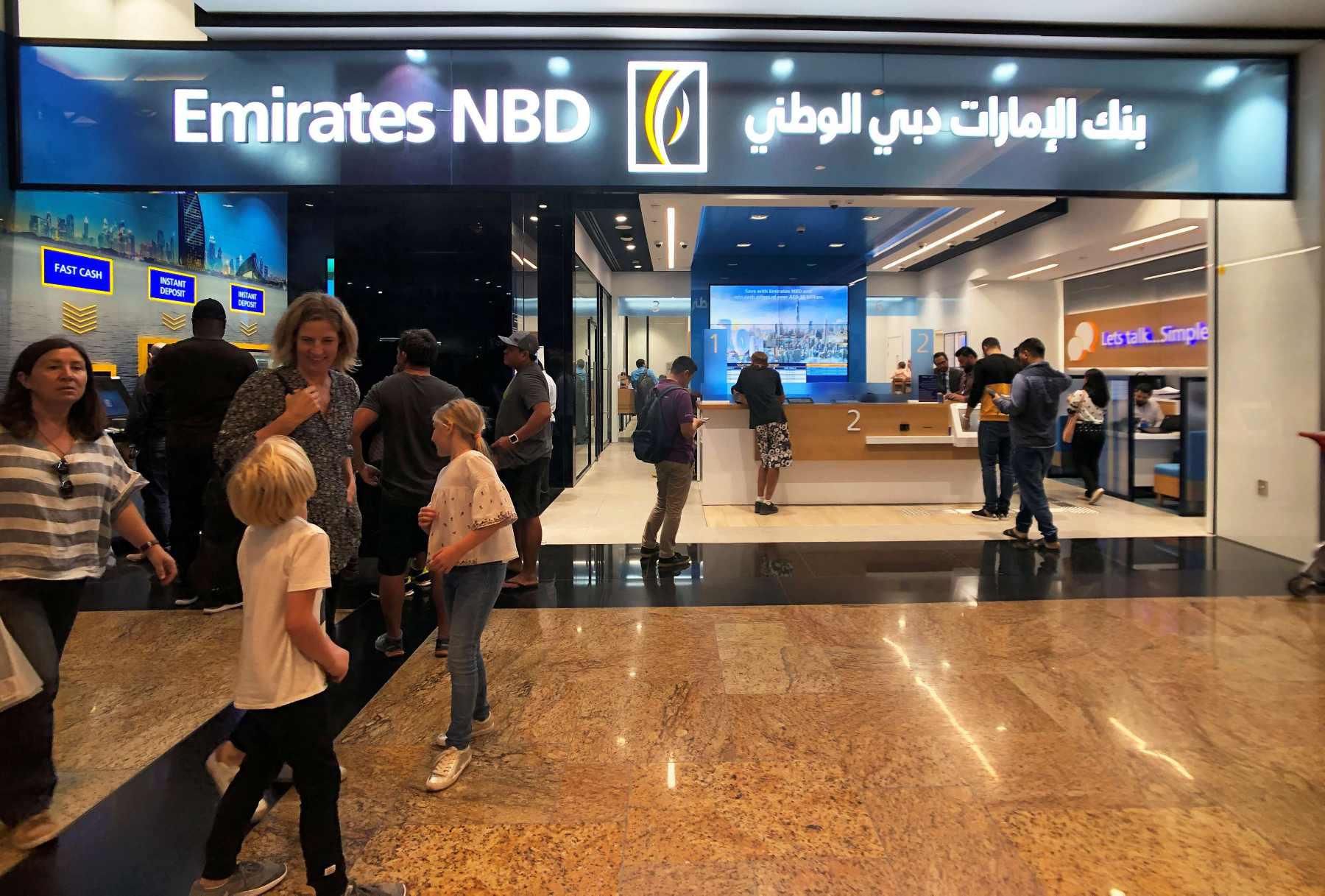
Dubai's largest bank Emirates NBD is offering up to 5 percent per annum for customers holding or opening a "Saver Plus" account in dirhams between April 1 and June 30 and depositing new funds.
Dubai Islamic Bank is marketing up to 6.6 percent interest annually for customers who open an account in dirhams or dollars between June 1 and August 31 and transfer a monthly salary of at least 10,000 dirhams ($2,722.79) while maintaining a minimum average balance of 50,000 dirhams.
National Bank of Fujairah is also offering up to 6.25 percent per annum on new dirham saving accounts opened before July 31, provided a salary is regularly deposited.
The rates are all significantly above the central bank's 3.65 percent base rate. The UAE's dirham currency is pegged to the dollar, and its central bank generally follows U.S. Federal Reserve interest rate policy.
Emirates NBD and DIB declined to comment, while NBF was not immediately available for comment.
Zoghby said the offers were "part of an existing competitive trend" as pressure from digital lenders has pushed banks to respond not with a "generic race for deposits" but rather tailored offers aimed at becoming a customer's primary bank.
Banks resilient for now but eyes on second quarter
Banks including Emirates NBD, First Abu Dhabi Bank and Abu Dhabi Commercial Bank all reported a rise in deposits in the first quarter after a strong start to the year. But second-quarter figures will be closely watched by investors as the impact of the war starts to become clearer.
"UAE banks liquidity indicators deteriorated somewhat in March-early May," Bank of America analysts said last month, while adding there were no signs of stress.
The chairman of the UAE banks federation dismissed concerns over potential increased outflows and a dollar shortage, noting he expected second-quarter figures to "be better" than in the first three months of the year.
The government, government-related entities (GRE) and public sector entities contributed nearly 70 percent of deposit inflows in the first quarter, according to BofA.
Government deposits grew 14.7 percent in April from the same month a year earlier to 446.8 billion dirhams, central bank figures showed. GREs' contributions jumped more than 32 percent to 339.3 billion dirhams.
The UAE Central Bank called the surge "business as usual" and mainly dependent on market forces.
It has responded directly to the economic tensions resulting from the war by giving banks greater access to reserve balances and funding options in UAE dirhams and U.S. dollars.
This should give the banking system some breathing room, but McKinsey’s Zoghby cautioned against drawing a direct connection between the measures and banks' offers on new deposits.
"System-level backstops support confidence and resilience, but they don’t replace the need for each bank to maintain a durable funding franchise," he said.
The central bank told Reuters the country's banks had shown strong resilience in their prudential ratios, including liquidity and capital, "during these unusual times". The banking sector's surplus liquidity held with the central bank stood at 181 billion dirhams ($49.29 billion) as of June 9, it added.