

GCC: Iran's actions are incompatible with efforts to build trust
Gulf states say Iran attacks undermine dialogue, urge UN action
The GCC strongly condemned the attacks on Bahrain, Kuwait and Jordan, describing them as violations of national sovereignty and international law.
Thursday 11/06/2026
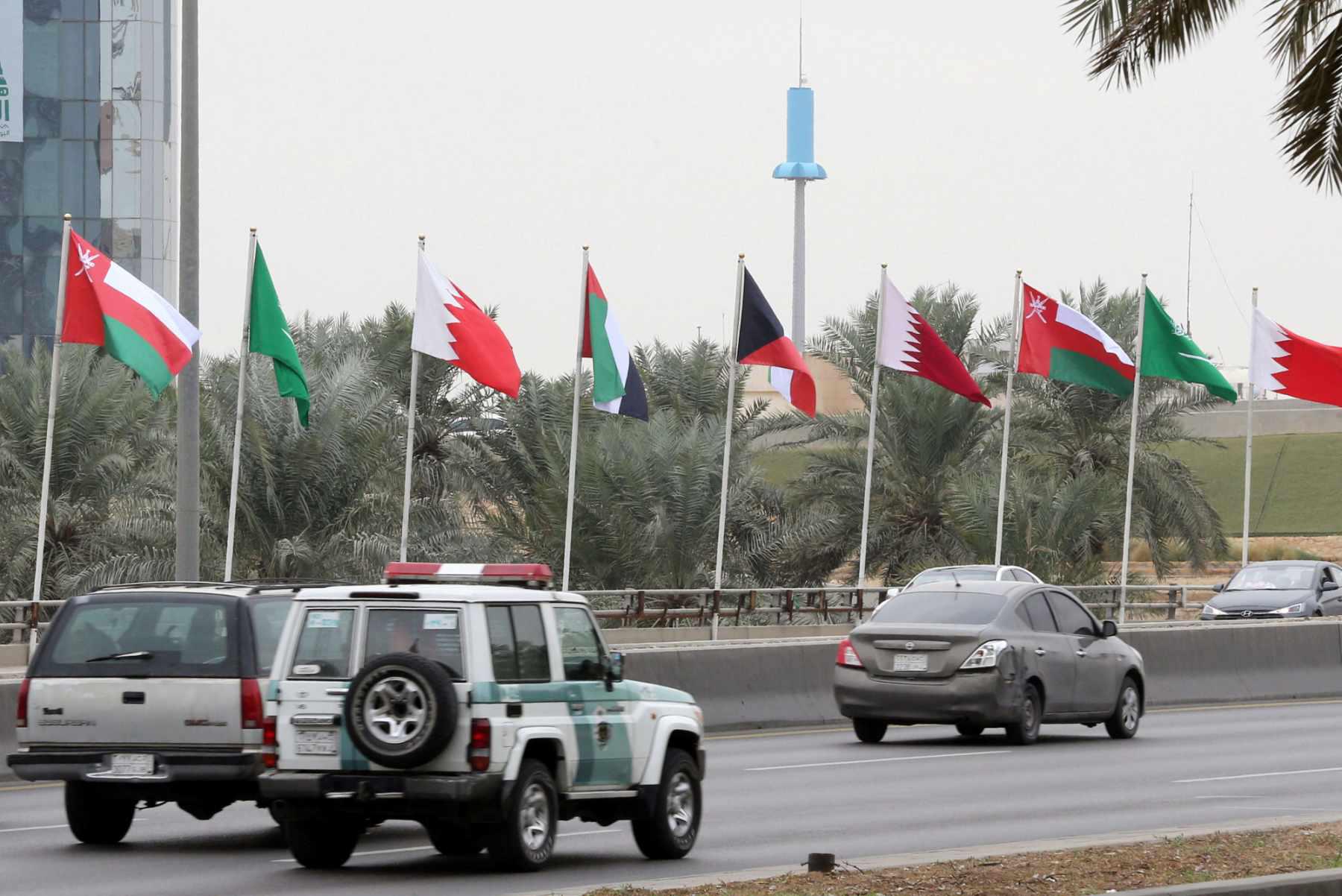
GCC: Iran's actions are incompatible with efforts to build trust
MANAMA – Gulf Arab states warned Iran on Wednesday that its latest attacks against countries in the region were undermining efforts to ease tensions and jeopardising prospects for dialogue, after Bahrain, Kuwait and Jordan were targeted in a new round of missile and drone strikes.
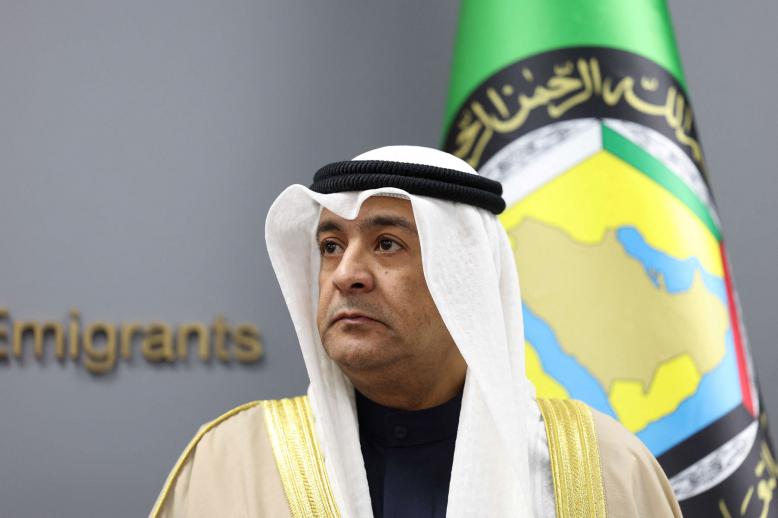
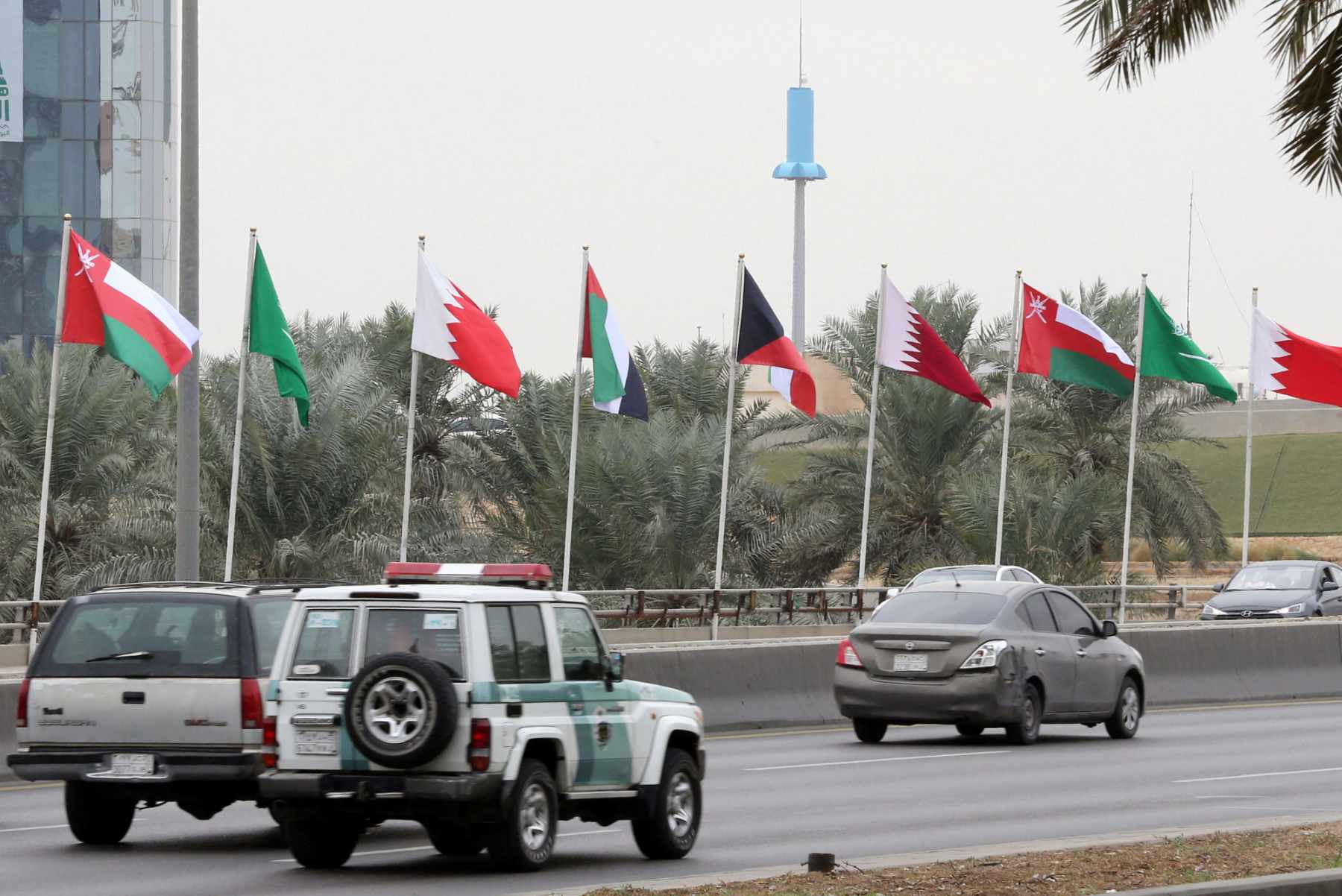
The warning came in a statement issued after a meeting of the Gulf Cooperation Council (GCC) ministerial council in the Bahraini capital, where foreign ministers from Saudi Arabia, the United Arab Emirates, Kuwait, Qatar, Bahrain and Oman condemned what they described as Iranian attacks against neighbouring states.
The escalation followed overnight strikes that Tehran said targeted US-linked military assets in Bahrain, Kuwait and Jordan, in retaliation for American attacks on Iranian positions after the reported downing of a US Apache helicopter near the Strait of Hormuz.
The incidents marked another setback for efforts to preserve a fragile ceasefire between Washington and Tehran that has been in place since April, following weeks of conflict triggered by joint US-Israeli military operations against Iran.
In its statement, the GCC said Iran's actions were incompatible with efforts to build trust and improve relations across the region.
"Hostile actions do not serve understanding or rapprochement," the council said, adding that such attacks undermine confidence, fuel divisions and close the channels of dialogue that Gulf states have consistently advocated.
The council strongly condemned the attacks on Bahrain, Kuwait and Jordan, describing them as violations of national sovereignty, international law and the principles of good neighbourly relations.
It also reiterated its full support for the three countries and stressed that the security of GCC member states is indivisible, reaffirming the bloc's commitment to collective defence.
The GCC called on Iran to immediately cease any attacks against Gulf states, their citizens and their interests, warning that continued aggression would have serious consequences for regional stability, international shipping routes and global energy supplies.
The council urged the United Nations Security Council and the wider international community to condemn the attacks and hold those responsible accountable.
Despite its sharp criticism, the GCC maintained that diplomacy remained the preferred path to resolving disputes.
The statement questioned how future relations could be built while attacks continued and warned that pursuing a confrontational approach would only deepen Iran's isolation.
At the same time, it said the door to dialogue remained open for those willing to pursue "the path of wisdom and good neighbourliness."
The latest exchange of fire highlights the increasingly fragile state of the US-Iran ceasefire announced in April.
Since the truce took effect, mediators including Qatar and other regional actors have attempted to revive negotiations aimed at ending the conflict permanently and reopening diplomatic channels. However, repeated military incidents have cast doubt on the prospects for a breakthrough.
The latest attacks came as Washington and Tehran exchanged increasingly hostile rhetoric, with both sides accusing the other of violating the spirit of the ceasefire.
The growing tensions have also heightened concerns among Gulf states, many of which host key US military facilities and sit along vital global energy routes.
The renewed escalation prompted warnings from the United Nations about the risk of a broader regional conflict.
UN Secretary-General Antonio Guterres cautioned that the Middle East was being drawn deeper into crisis and urged all parties to return to diplomacy.
He warned that the region should not underestimate the danger of a limited conflict escalating into a wider war.
Separately, UN High Commissioner for Human Rights Volker Turk expressed concern over the repeated cycles of escalation, stressing that ceasefires must be respected and that all parties should adhere to international law.
For Gulf leaders, the latest attacks reinforce fears that the confrontation between Washington and Tehran could once again spill across the wider region, threatening security, trade and energy flows at a time when many states are seeking stability and economic diversification.
While GCC officials stressed confidence in the region's air-defence capabilities and collective security arrangements, they warned that continued military escalation risks pushing the Middle East closer to a broader confrontation that few regional actors appear willing to accept.