

Standing firm on sovereignty
Aoun defies Hezbollah pressure, vows to press ahead with Israel talks
Aoun’s comments reflect a growing determination within Lebanon’s political leadership to pursue a diplomatic settlement despite continued fighting.
Friday 12/06/2026
Standing firm on sovereignty
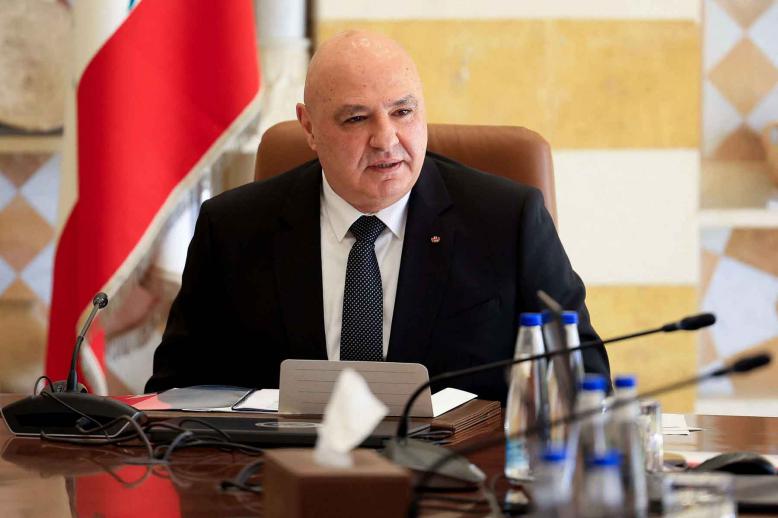
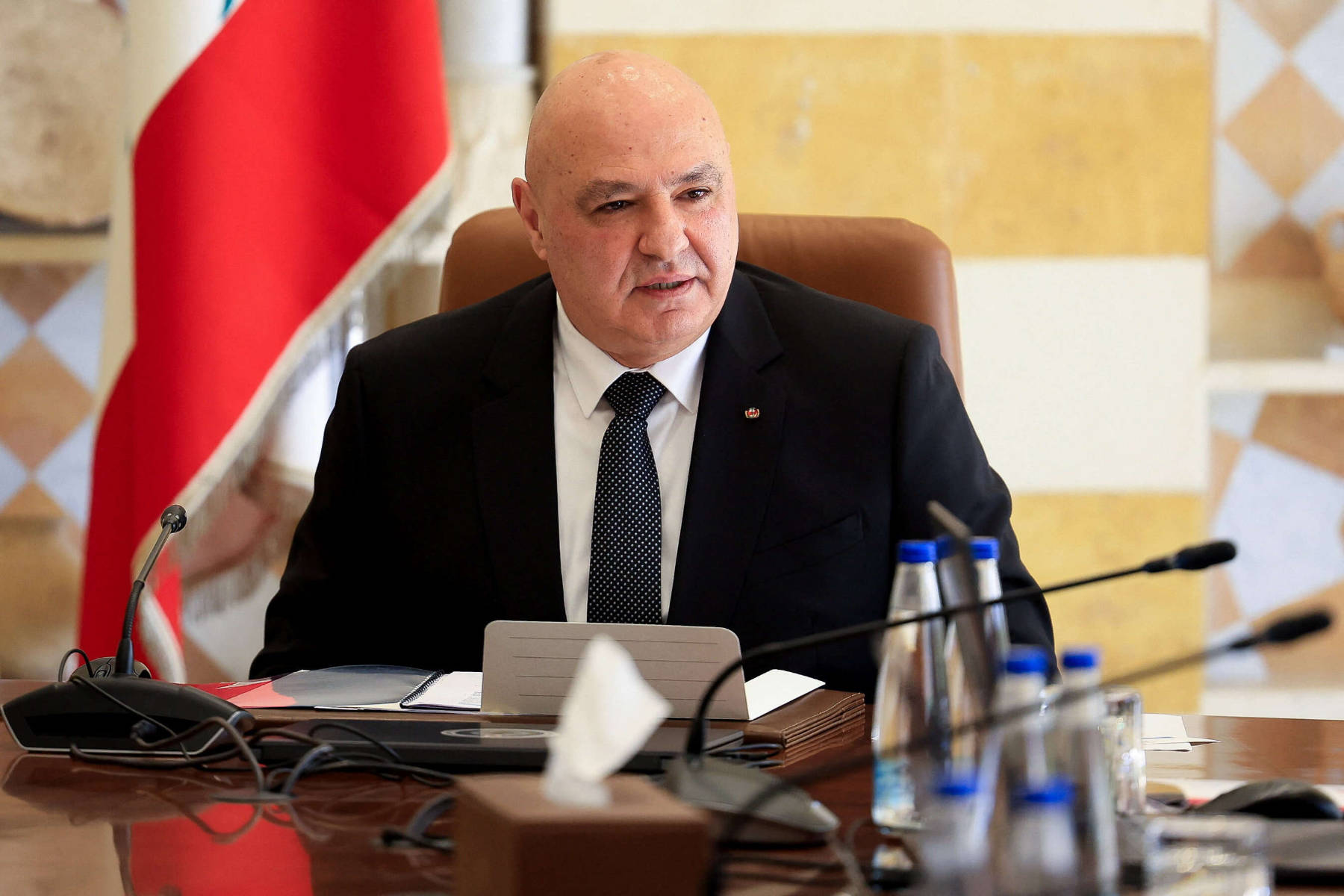
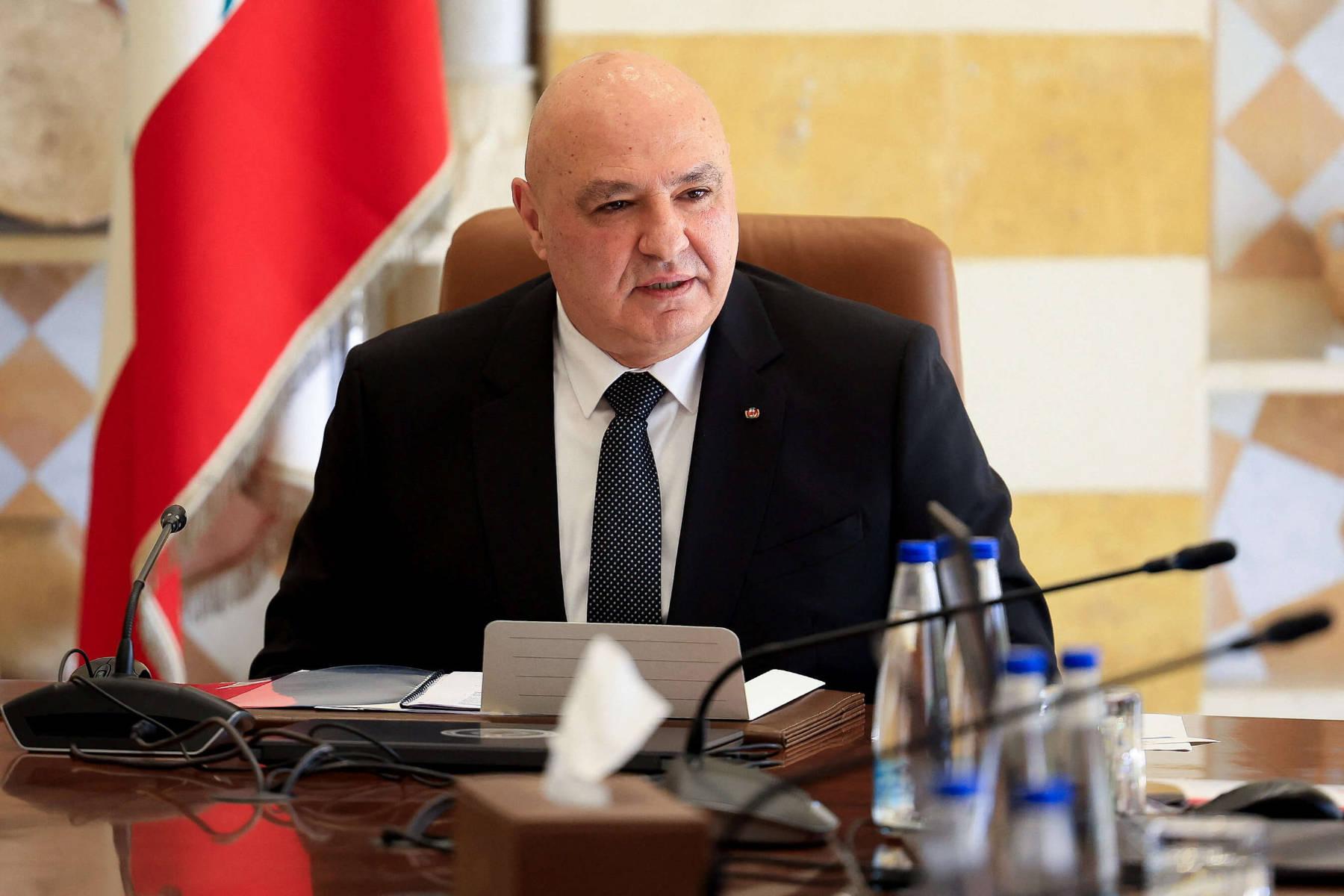
BEIRUT – Lebanese President Joseph Aoun has vowed to press ahead with direct negotiations with Israel despite mounting political pressure and fierce criticism from Hezbollah, arguing that diplomacy remains Lebanon’s only viable path out of a conflict that has devastated the country and displaced more than one million people.
Speaking on Thursday during a meeting with a delegation from the Culture and Freedom Foundation at the presidential palace in Baabda, Aoun said Lebanon would not abandon the US-sponsored negotiating track, despite calls from opponents to withdraw from the talks.
“Despite the pressure to withdraw from the negotiations, we will not pull out and we will continue until we reach conclusions that serve the interests of our nation,” Aoun said.
The remarks come as Hezbollah and its allies intensify criticism of the government’s decision to engage in direct negotiations with Israel. The Iran-backed Shi'ite group has portrayed the talks as a concession to Israeli and US demands, with some supporters accusing Aoun and Prime Minister Nawaf Salam of undermining Lebanon’s resistance strategy.
Aoun rejected such criticism, insisting that the negotiations were undertaken solely to safeguard Lebanese interests and restore stability after months of war.
“We support the Palestinian cause, but not at Lebanon’s expense,” he said. “Lebanon has paid a very heavy price for this cause.”
The president reiterated that any agreement aimed at ending hostilities must be based on several core conditions: a full Israeli withdrawal from Lebanese territory, a halt to Israeli attacks, deployment of the Lebanese army across affected areas, and the return of displaced civilians and prisoners.
“After that, we can think about peace,” Aoun said. “But we cannot move towards it before these issues are resolved.”
He said he had personally conveyed Lebanon’s position to US President Donald Trump and noted that Washington had publicly reaffirmed its commitment to Lebanon’s sovereignty and internationally recognised borders.
Only path available
Aoun acknowledged that the negotiations were difficult but described them as the only realistic alternative to continued conflict.
“We have seen the horrors of war and what they lead to,” he said. “That is why we reject it. Our decision is independent and serves Lebanon's interests.”
“The state remains our choice because it protects all of us,” he added. “The state protects Lebanon’s communities, not the other way around.”
His comments reflect a growing determination within Lebanon’s political leadership to pursue a diplomatic settlement despite continued fighting and deep divisions over Hezbollah’s role in the conflict.
Under US mediation, Lebanese and Israeli negotiators have already held several rounds of talks in Washington, with another session expected during the week beginning June 22.
The negotiations are aimed at securing a durable ceasefire, facilitating an Israeli withdrawal from occupied areas in southern Lebanon and expanding the authority of the Lebanese state and army across border regions.
Hezbollah rejects negotiations
The diplomatic push has exposed widening differences between the Lebanese government and Hezbollah.
Last week, the United States, Lebanon and Israel announced a declaration of intent outlining a framework for a ceasefire linked to a complete halt in Hezbollah military operations and the withdrawal of the group's fighters from areas south of the Litani River.
Hezbollah Secretary-General Naim Qassem swiftly rejected the outcome, saying the proposals were unacceptable to large segments of Lebanese society and warning that any attempt to disarm the group would constitute an existential threat.
The dispute has complicated government efforts to implement a broader plan aimed at placing all weapons under state control, including Hezbollah's arsenal.
War continues despite diplomacy
The negotiations are taking place against the backdrop of continued hostilities despite a fragile ceasefire announced on April 17.
The war erupted on March 2 after Hezbollah launched attacks on Israel in support of its Iranian ally during the broader regional conflict. Israel responded with an extensive air campaign and ground operations that have left parts of southern Lebanon occupied.
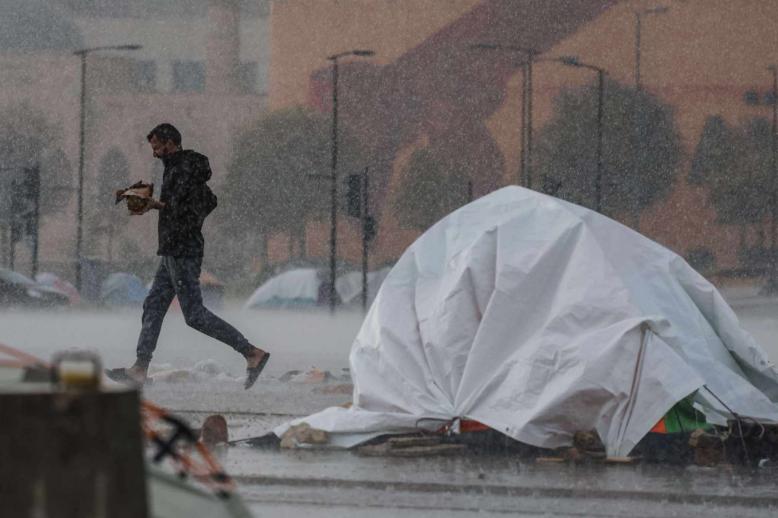
According to Lebanese authorities, more than 3,700 people have been killed and over 11,400 wounded since the fighting escalated, while more than one million people have been displaced.
Israel continues to hold territory in southern Lebanon, including areas occupied for decades as well as zones seized during previous conflicts and the current war, where Israeli forces advanced more than 10 kilometres into Lebanese territory.
Despite the violence and political opposition at home, Aoun appears determined to maintain the diplomatic track, arguing that negotiations offer the only realistic chance of ending the conflict and restoring stability.
For now, however, Lebanon remains caught between a government seeking a negotiated settlement, an Israeli military campaign that continues despite ceasefire efforts, and a Hezbollah leadership unwilling to accept terms that could weaken its military position.