

State control meets militia reality
Samarra standoff tests Iraq’s bid to bring armed factions under control
According to Iraqi and local media reports, Zaidi intervened and reinstated Shammari as commander of Samarra Operations only hours after his removal.
Wednesday 17/06/2026
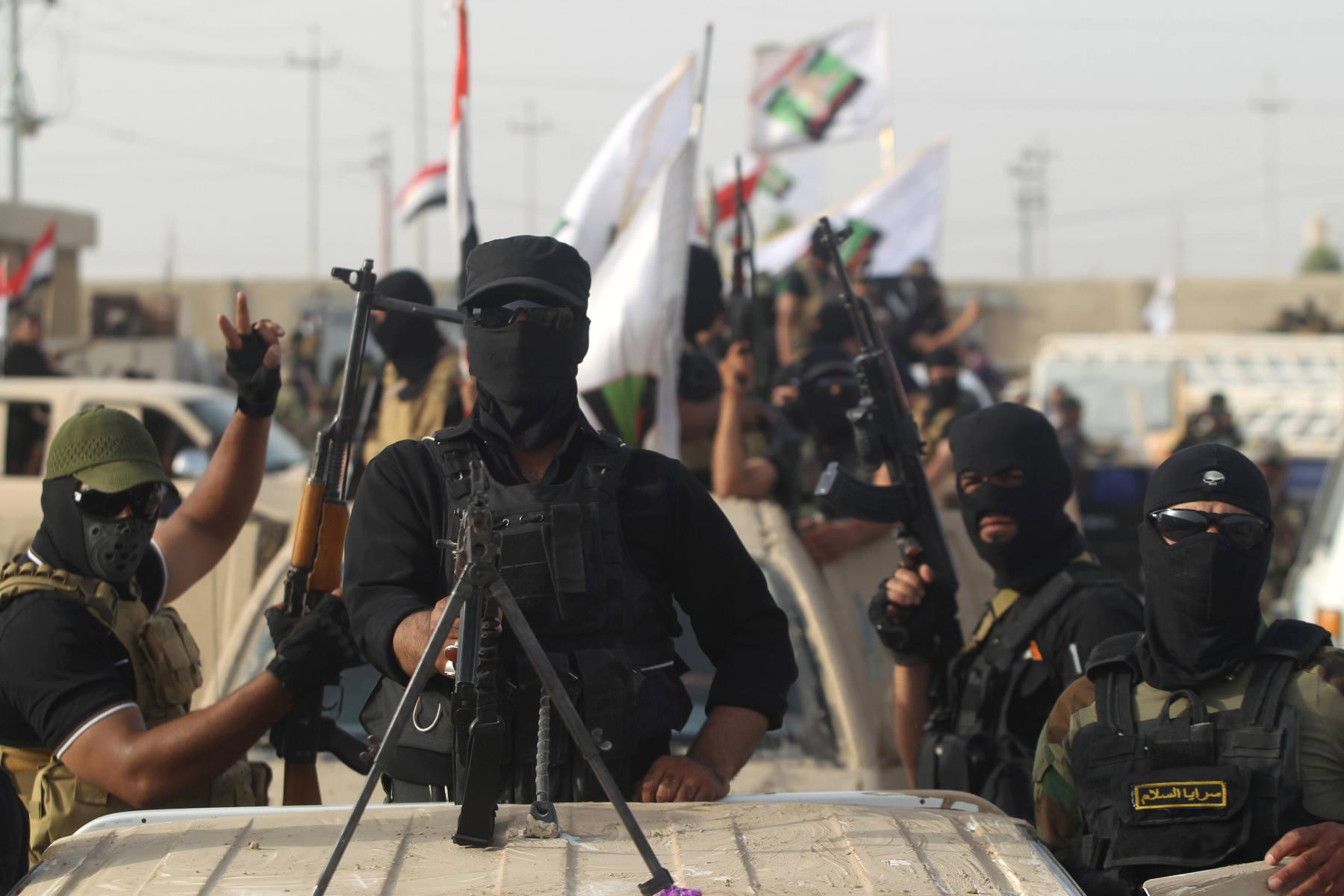
State control meets militia reality
BAGHDAD – A dispute over security leadership in the Iraqi holy city of Samarra has emerged as an early and potentially significant test of Prime Minister Ali al-Zaidi’s efforts to bring armed factions under exclusive state authority, exposing deep rivalries between powerful Shiite groups even as they publicly pledge support for weapons reform.
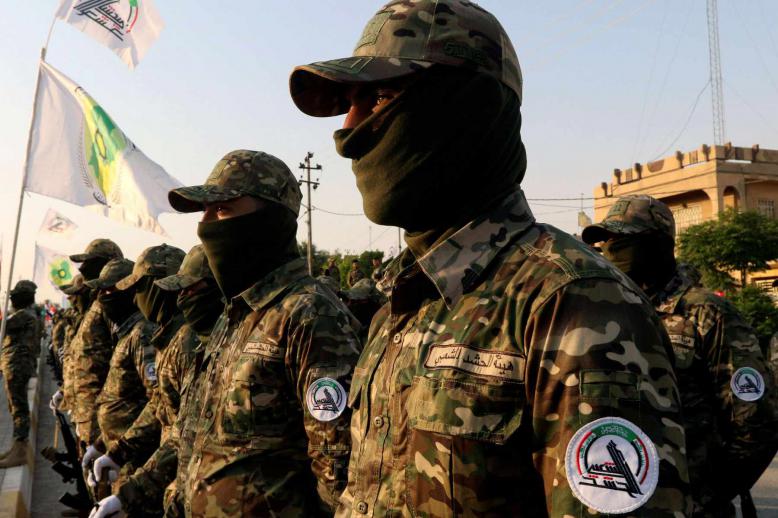
The controversy erupted after Popular Mobilisation Forces (PMF) chairman Faleh al-Fayyadh removed Samarra Operations Commander Ali Jakhifa Lafta al-Shammari, who is affiliated with Muqtada al-Sadr’s Saraya al-Salam, and replaced him with Youssef Mizan Naseef Ragheef, a figure linked to Asaib Ahl al-Haq, the faction led by Qais al-Khazali.
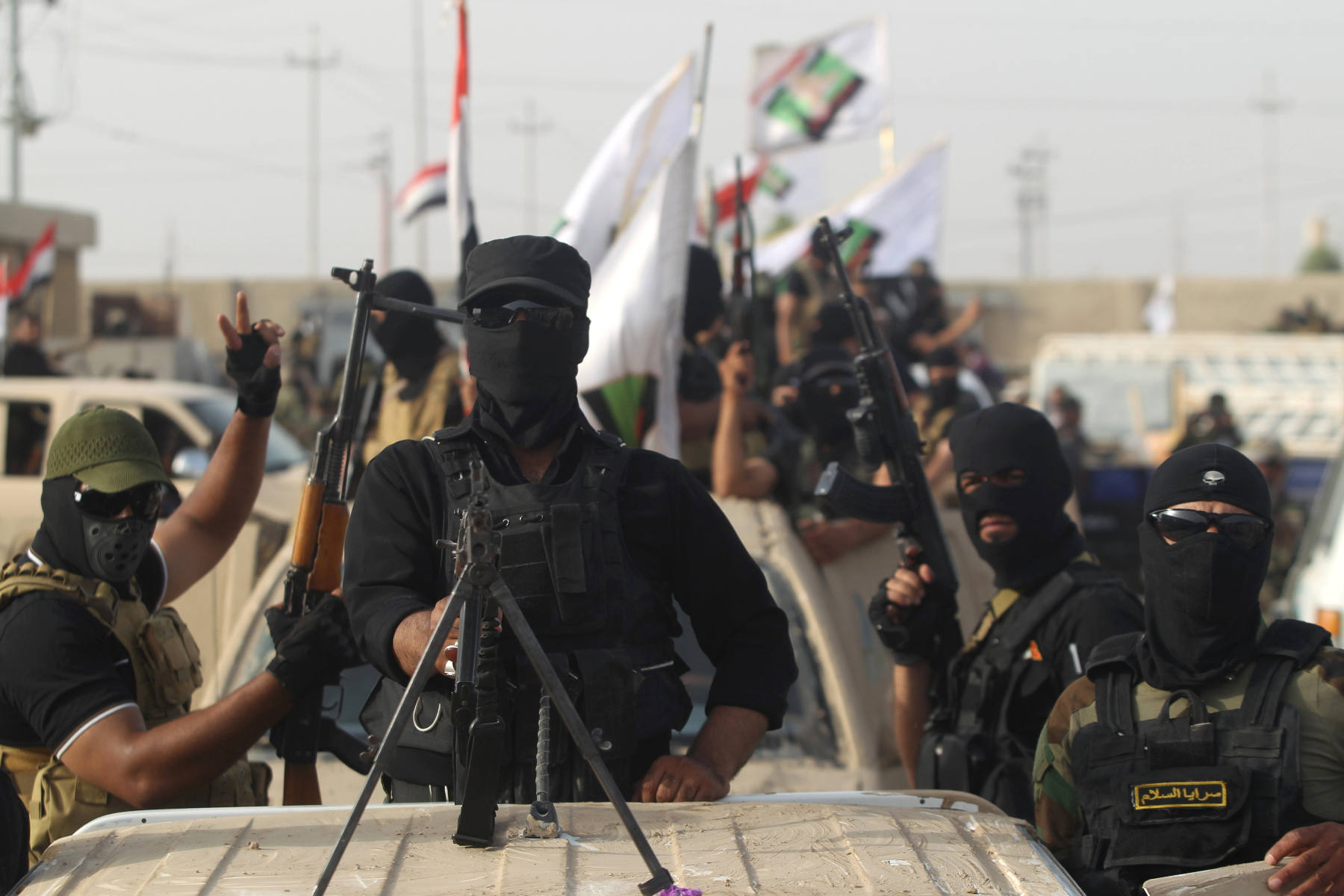
The move immediately triggered tensions in Samarra, with members of Saraya al-Salam deploying across several streets and strategic locations in the city, underscoring the sensitivity of any attempt to alter the security balance in one of Iraq’s most symbolically important locations.
Samarra occupies a unique place in Iraq’s post-2003 security landscape. The city houses the Al-Askari shrine, one of Shiite Islam’s holiest sites, and remains deeply associated with the 2006 bombing of the shrine that ignited years of sectarian bloodshed across the country.
For nearly two decades, Saraya al-Salam has portrayed itself as the principal guarantor of security in the city. The group has maintained a significant presence there since 2007 and frequently cites its role in protecting the shrine and preventing major security breaches.
The dispute also reflects long-standing hostility between Sadr’s movement and Asaib Ahl al-Haq. Khazali broke away from Sadr’s Mahdi Army years ago, and relations between the two camps have repeatedly deteriorated into political confrontations and, at times, armed clashes in southern Iraq.
Observers say the timing of the dispute is particularly sensitive because it coincides with Baghdad’s campaign to consolidate all weapons under state control.
In late May, Sadr announced the formal disengagement of Saraya al-Salam from his movement and called on armed factions to surrender weapons to the state. The government subsequently established a high-level committee to supervise the force’s integration into official security institutions and place it directly under the commander-in-chief.
The Joint Operations Command later confirmed that it had received detailed information on Saraya al-Salam personnel, weapons and equipment as part of the integration process.
However, the Samarra dispute quickly highlighted the practical difficulties of implementing such reforms.
In a strongly worded statement, Saraya al-Salam argued that recent command changes contradicted the spirit of the integration process and objected to any arrangement that would place the group under PMF authority.
The faction stressed that its voluntary decision to disarm and integrate into state institutions should serve as a model for placing weapons exclusively in state hands, while insisting that Samarra’s security file should ultimately be transferred to official government agencies rather than another armed group.
The group also reassured residents that it would continue protecting the city and the Al-Askari shrine until security responsibilities are formally handed over to state institutions.
Tribal leaders, clerics and community figures in Samarra have echoed those concerns, warning against replacing Saraya al-Salam with another faction and calling on Prime Minister Zaidi to visit the city personally to assess the situation.
The standoff was partially defused after Sadr instructed his followers to comply with official decisions. Sources close to the cleric said he moved quickly to prevent any escalation and avoid creating the impression that his movement was defying state authority.
According to Iraqi and local media reports, Zaidi later intervened and reinstated Shammari as commander of Samarra Operations only hours after his removal, a move widely interpreted as an attempt to contain tensions and prevent a broader confrontation.
Nevertheless, analysts say the episode illustrates the challenges facing Baghdad as it attempts to transform declarations of integration into reality.
Although several factions have publicly endorsed the government's weapons-control agenda, scepticism remains over whether influential armed groups are prepared to relinquish structures that provide them with political influence, security leverage and economic power.
The Samarra crisis therefore represents more than a local security dispute. It has become an important indicator of whether Iraq’s campaign to establish a genuine state monopoly over arms can move beyond symbolic announcements and withstand pressure from competing armed actors whose rivalries remain deeply entrenched.