

From activism to the ballot box
Peace activists turn to politics in challenge to Netanyahu
The new movement says it is built on a model of equal Arab-Jewish partnership, with both communities sharing leadership, messaging and decision-making.
Wednesday 17/06/2026
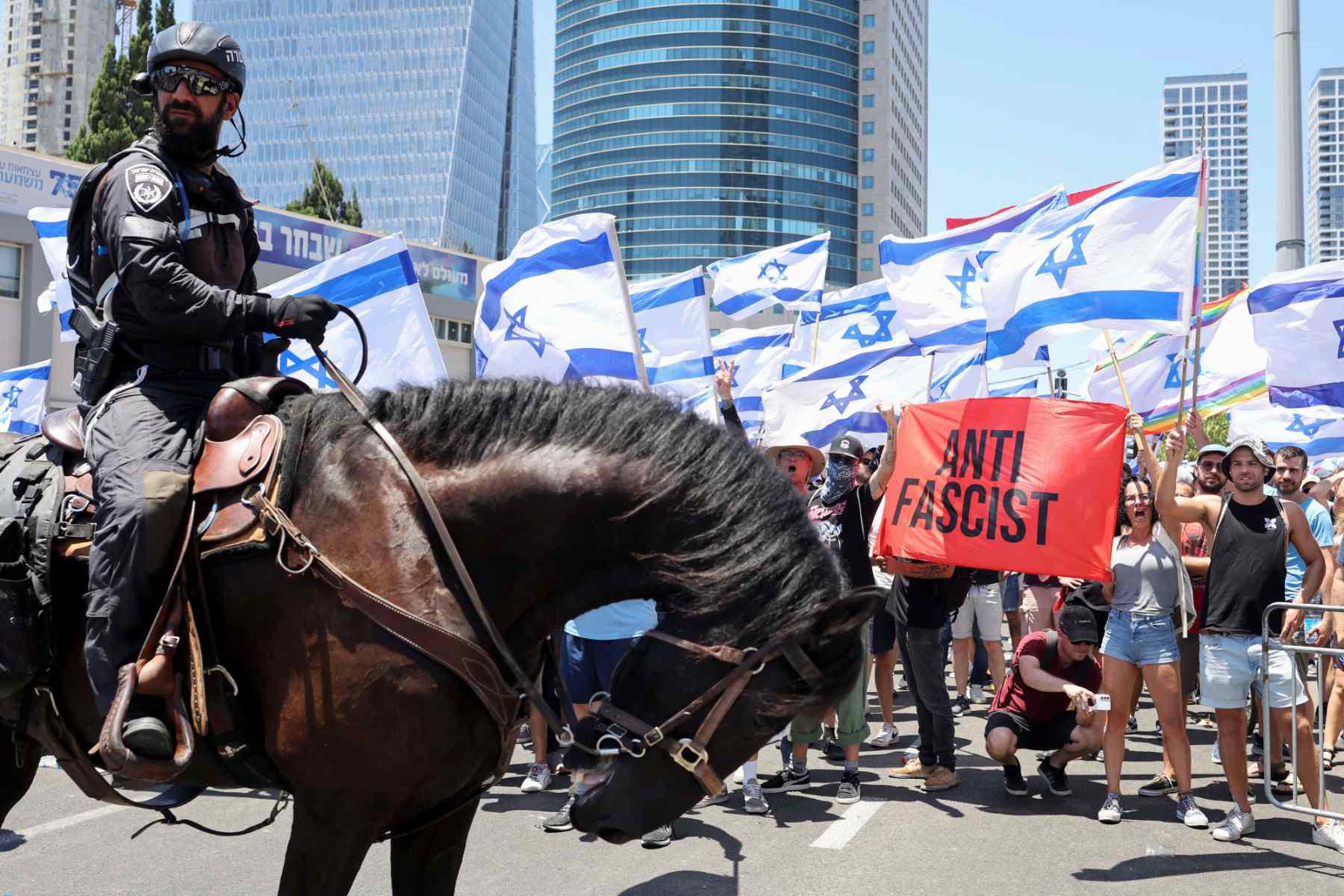
From activism to the ballot box
JERUSALEM – A new Arab-Jewish political party has entered Israel’s increasingly crowded electoral arena, seeking to capitalise on growing frustration with Prime Minister Benjamin Netanyahu’s government and offering a platform centred on peace, equality and shared political leadership.
The party, “A Place for Us All” (Makom Lekulanu), was formally launched in Nazareth on Tuesday by prominent activists from the Israeli-Palestinian grassroots movement Standing Together, one of Israel’s most visible anti-war and coexistence organisations.
The initiative comes as Israel prepares for a general election expected by the end of October, a vote widely seen as a critical test for Netanyahu after nearly three years of war and deep political polarisation.
Unlike traditional political parties that largely appeal to either Jewish or Arab constituencies, the new movement says it is built on a model of equal Arab-Jewish partnership, with both communities sharing leadership, messaging and decision-making.
The party will be headed jointly by Rula Daood, a Palestinian citizen of Israel, and Alon-Lee Green, a Jewish activist. Daood becomes the only woman currently leading a national political party in Israel and, according to the party, the first Palestinian woman to head a nationwide political movement.
Speaking at the launch event, Daood described the initiative as an urgent response to a society she believes is facing profound challenges.
“This is the last moment to save our society,” she said.
“We are being abandoned, murdered, our future is being burned—and I know that to fix this, it is not enough to only say what we are against.”
The party says it intends to focus on issues directly affecting everyday life, including violence and crime, personal security, soaring living costs, housing shortages, planning restrictions and educational inequalities.
However, its founders argue that addressing social and economic concerns cannot be separated from efforts to resolve the Israeli-Palestinian conflict.
The movement has placed renewed pursuit of an Israeli-Palestinian peace agreement at the centre of its platform, describing it as an urgent issue that has been pushed aside amid years of political turmoil and conflict.
Green said the party would work to strengthen opposition efforts against Netanyahu and key members of his coalition, including National Security Minister Itamar Ben-Gvir and Finance Minister Bezalel Smotrich.
At the same time, party leaders insist their goal is not merely to replace the current government but to present a fundamentally different vision for Israel’s future.
The launch reflects a broader attempt to attract younger voters and Israelis who have become disillusioned with traditional political parties. Organisers argue that many potential voters who support coexistence and peace currently feel unrepresented within Israel’s fragmented political landscape.
The new party also enters a political environment in which Arab parties are themselves undergoing realignment. Hadash, Ta’al and Balad recently moved to revive the Joint List framework, although the Islamist Ra’am party remains outside that alliance.
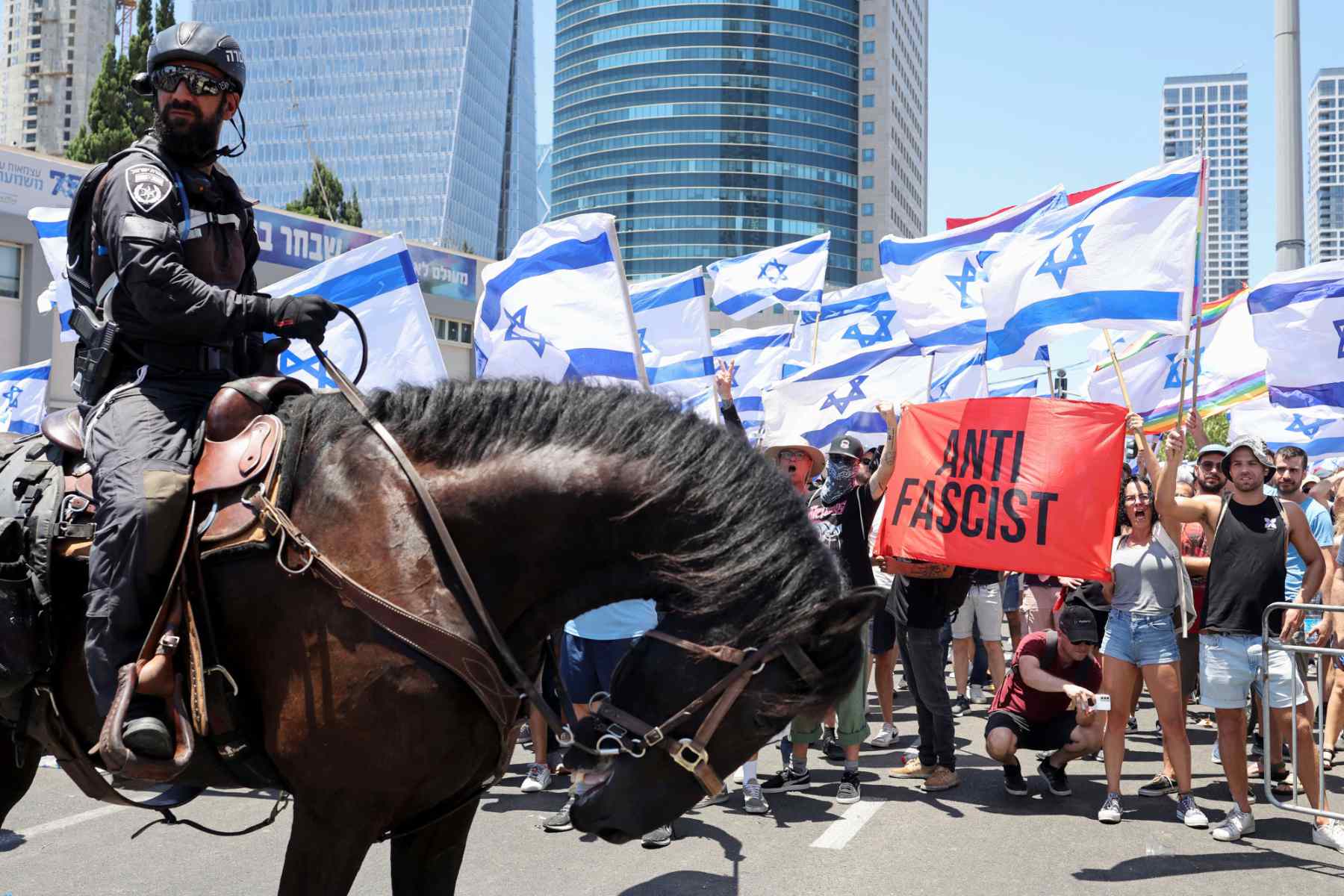
Founded in 2015, Standing Together has grown significantly since the Hamas-led attacks of October 7, 2023 and the subsequent wars in Gaza, Lebanon and Iran. The movement has organised ceasefire demonstrations, advocated for hostage-release agreements, raised funds for vulnerable communities and campaigned against violence and discrimination.
Its transformation from a civic movement into a direct political force represents one of the most ambitious attempts in recent years to translate grassroots Arab-Jewish activism into electoral politics.
Whether the party can secure sufficient support to enter the Knesset remains uncertain. Yet its emergence introduces a rare voice into Israeli politics: one seeking to bridge the country's deep ethnic and political divides through a platform of shared citizenship, equality and negotiated peace.