

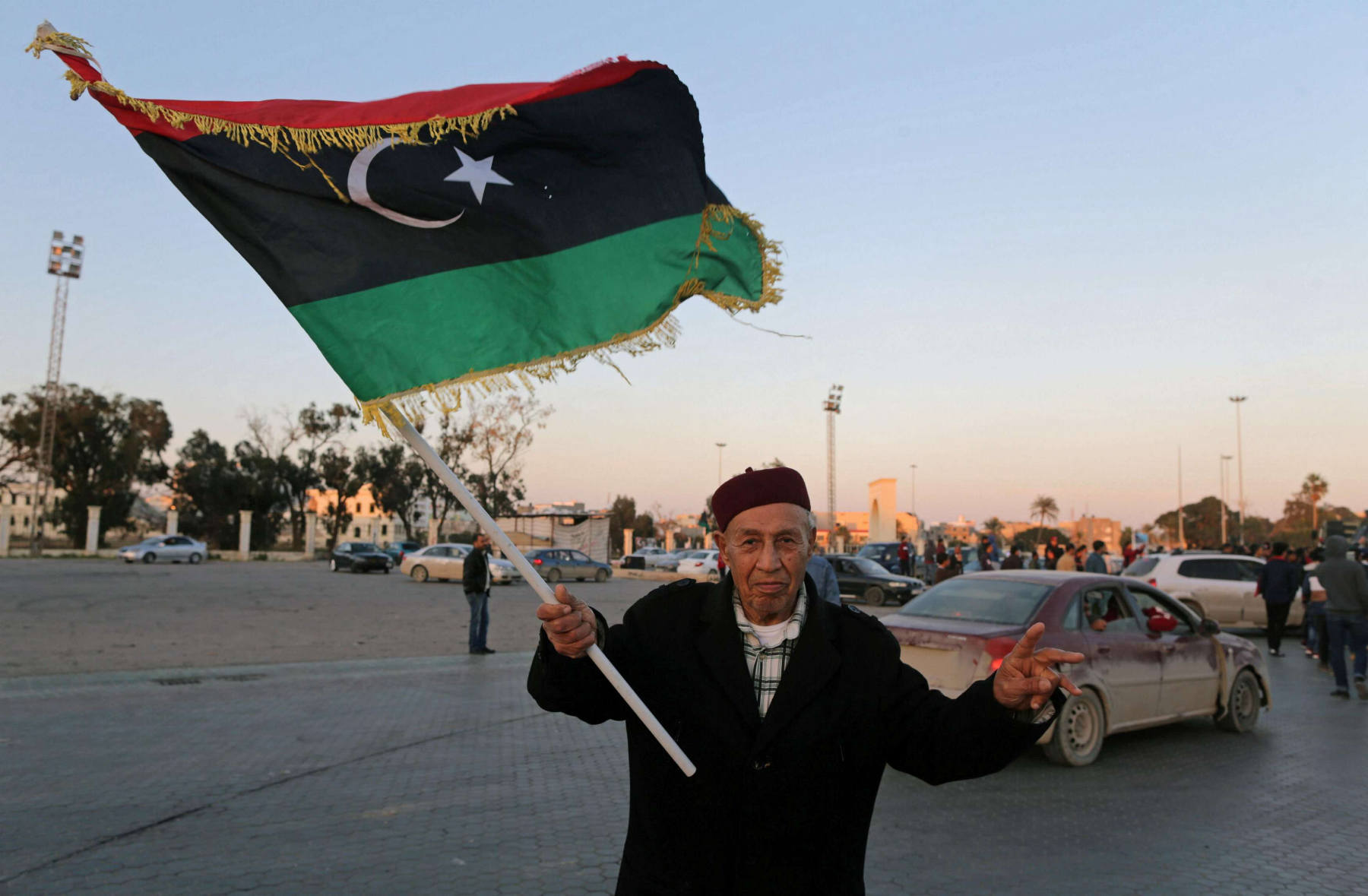
A nation seeking common ground
Libya sets 2027 election goal as Washington presses for national unity
The agreement announced on Thursday sets a target of holding simultaneous elections before February 17, 2027.
Friday 19/06/2026
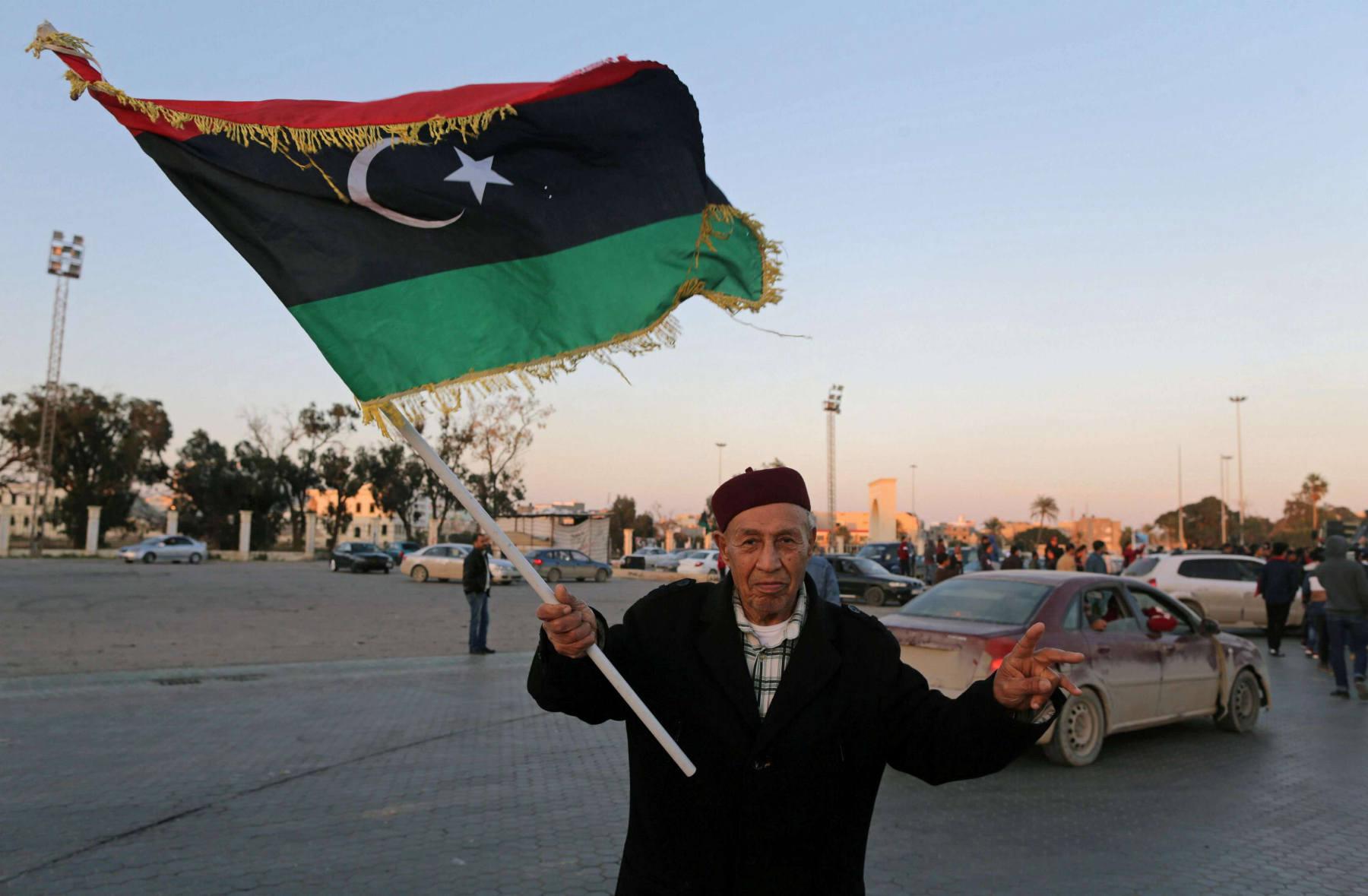
A nation seeking common ground
TRIPOLI – Libya’s latest agreement on a roadmap towards presidential and parliamentary elections comes amid an increasingly coordinated international push to end the country’s long-running political division, with the United States and the United Nations both intensifying efforts to reunify institutions and prepare the ground for a national vote.
The agreement announced on Thursday by the heads of Libya’s House of Representatives, High Council of State and Presidential Council sets a target of holding simultaneous elections before February 17, 2027 and establishing a supreme committee to oversee implementation of the roadmap.
The move follows growing international attention to the Libyan file, including the emergence of a US initiative designed to reunify the country’s fragmented institutions under a single authority.
Massad Boulos, US President Donald Trump’s senior adviser for Middle East and African affairs, recently outlined a plan aimed at ending Libya’s institutional split while encouraging greater investment by American energy companies in the country.
In comments to the Financial Times, Boulos said the proposal centres on forming a unified government representing all major state institutions, as part of broader efforts to support a UN-backed process leading to parliamentary and presidential elections.
He said the initiative could involve a short-term transitional arrangement before elections are held.
According to Boulos, the roadmap builds on a series of recent developments, including a November agreement on financing development projects across eastern and western Libya, the adoption of a unified national budget in April for the first time in more than a decade, and Libya’s participation in the US Africa Command-led Flintlock military exercises.
The report also identified Lieutenant General Saddam Haftar, deputy commander-in-chief of the Libyan armed forces, as a figure likely to play a significant role in future political arrangements. According to the newspaper, the US plan envisages Saddam Haftar heading an executive presidential council while Government of National Unity Prime Minister Abdulhamid Dbeibah remains in office, with a figure close to him assuming responsibility for a nationwide security portfolio.
Parallel to the US initiative, the United Nations has intensified its own efforts to advance political and security unification.
Earlier this week, Deputy Special Representative of the UN Support Mission in Libya Stephanie Koury met Saddam Haftar in Benghazi to discuss ways of unifying Libya’s military establishment and the potential support the UN could provide to that process.
According to a UN statement, both sides stressed the importance of advancing efforts to build a unified and professional military institution capable of contributing to lasting peace and stability.
They also discussed practical steps required to begin military unification and reviewed recommendations emerging from the recently concluded Structured Dialogue process, particularly those linked to the security track.
The Structured Dialogue concluded in Tripoli on June 7 and presented recommendations aimed at creating conditions for national elections, strengthening state institutions and promoting national cohesion.
Launched by the UN mission as a central component of the roadmap announced in December 2025, the dialogue brought together representatives from across Libya to examine governance, economic, security and reconciliation issues and develop policy recommendations designed to address the root causes of the country’s prolonged conflict.
The renewed diplomatic momentum comes as Libya remains divided between the UN-recognised Government of National Unity led by Dbeibah in Tripoli, which controls western Libya, and a rival administration appointed by the House of Representatives and headed by Osama Hamad in Benghazi, which oversees eastern Libya and much of the south.
Meanwhile, Libya’s eastern-based Libyan National Army signalled support for Washington’s efforts. Without explicitly rejecting Thursday’s roadmap, the force described the US proposal as a “unique and distinctive initiative” capable of providing a peaceful solution to the political crisis and paving the way for elections “as soon as possible.”
The convergence of the domestic roadmap, UN-sponsored dialogue and Washington’s increasingly visible engagement has fuelled cautious optimism that Libya may finally be moving towards a political settlement after years of failed initiatives.
However, major obstacles remain, including the challenge of unifying state institutions, resolving disputes over executive authority and ensuring that any transitional arrangements enjoy broad political acceptance.
For many Libyans, the ultimate test will be whether the latest initiatives can succeed where previous efforts have failed: delivering the long-delayed presidential and parliamentary elections that were originally scheduled for 2021 and bringing an end to more than a decade of political fragmentation following the fall of Gadhafi.