

Beyond Hormuz
Iraq bets on Syria route to cut reliance on Strait of Hormuz
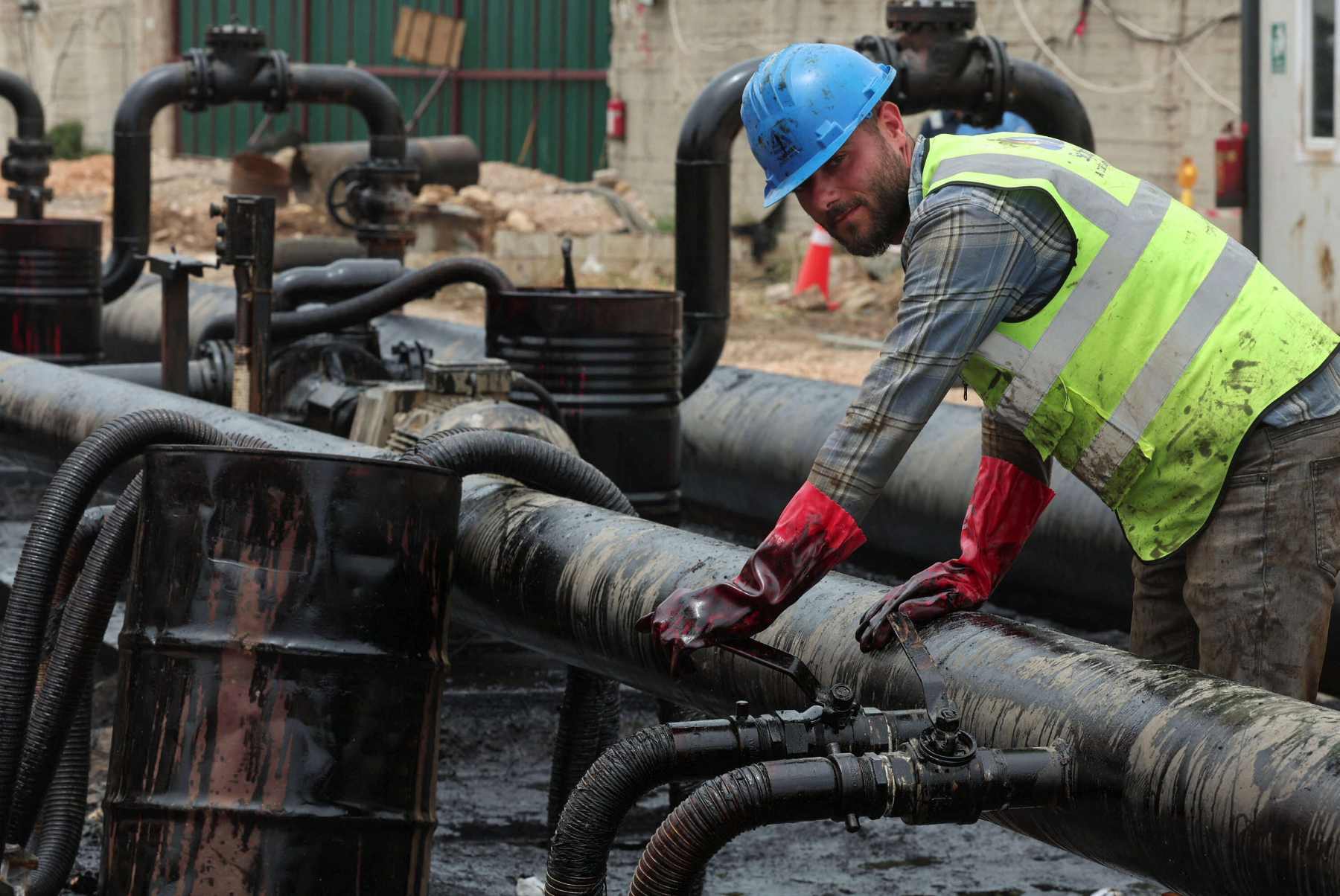
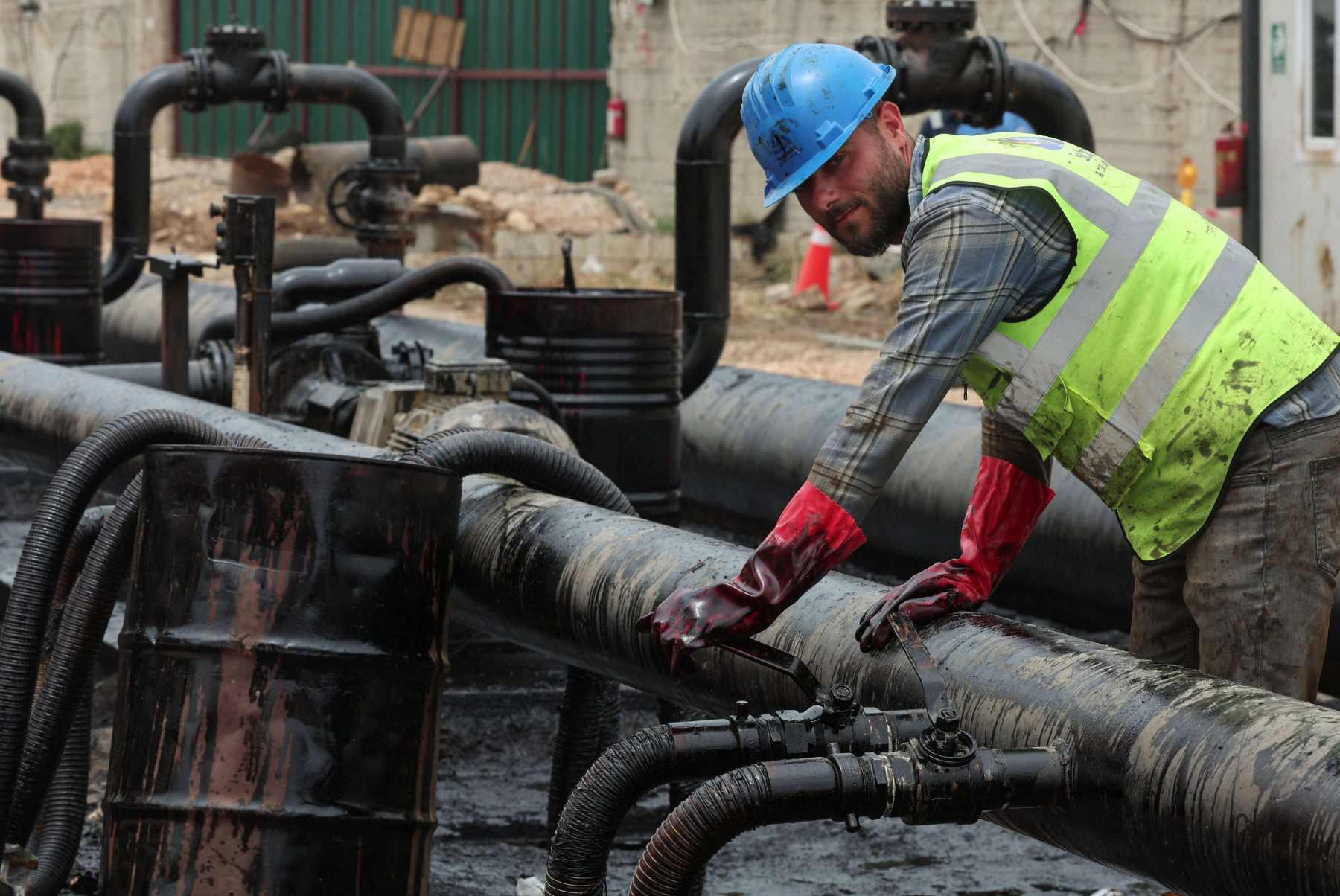
Syria plans to open two extra unloading areas and other facilities in Baniyas within a week to handle Iraqi crude oil and naphtha.
Friday 19/06/2026
Beyond Hormuz
DUBAI/BAGHDAD – Iraq is preparing to export crude oil and naphtha through ports in Syria, Syrian and Iraqi energy officials and refinery sources said after the Iran war cut off its main Gulf shipping routes.
The move would broaden an arrangement that has seen Iraq export fuel oil through the Mediterranean port of Baniyas after the effective closure of the Strait of Hormuz, which sharply curtailed Gulf export routes for OPEC's second-largest producer.
Two Iraqi oil officials said plans to diversify crude and fuel export routes, including through Syria, would continue even after the Iran war ends and shipping through the Strait of Hormuz returns to normal, as part of a government-approved strategy to reduce Iraq's reliance on a single export corridor.
"The Iraqi government and the oil ministry attach the highest importance to diversifying crude export routes, particularly through Syrian territory," Iraqi oil ministry spokesperson Saleem al-Rikabi said.
Rikabi said the oil ministry, through state oil marketer SOMO, was continuing "discussions and cooperation" with Syria to expand exports through its western neighbour.
Iraq normally exports a total of around 3.6 million barrels of oil per day and before the Iran war around 3.4 million bpd flowed through its southern Basra terminals.
Mohammed Al-Ahdab, head of the media office at Syrian Petroleum Company (SPC), said the operation and offloading were continuing, despite the anticipated opening of the strait.
Before the disruption caused by the Iran war, Iraq mainly exported its fuel oil from the Gulf port of Khor al‑Zubair, but the conflict has forced it to seek alternative routes after the strait was closed and storage facilities began filling up.
The initial work-around, which began operating in April, saw millions of barrels of Iraqi fuel oil trucked across Syria to Baniyas and re-exported from there.
Syria plans to open two extra unloading areas and other facilities in Baniyas within a week to handle Iraqi crude oil and naphtha, a Syrian energy ministry official said. Ahdab said Baniyas can now unload an average of 900 tanker-trucks per day.
Crude could begin crossing from Iraq to Syria at around 50,000 barrels per day once the loading installations are ready, the two Iraqi oil ministry officials said. There were no immediate details on planned levels of naphtha exports.
Tanker-truck exports are expected to begin in early July, Syrian and Iraqi officials said, while SOMO is set to open offices in Baniyas.
Fee income for Syria
In April, SOMO awarded contracts to supply about 650,000 metric tons of fuel oil per month from April to June to be trucked overland via Syria. Iraq exported a record 18 million tons of fuel oil in 2024, equivalent to roughly 1.5 million tons per month, with the best available data for 2025 showing they were near the levels reached in late 2024.
SPC Deputy CEO Ahmad Kobbaji told Reuters in May that Syria had limited infrastructure, but was increasing its unloading and re-export capacity for Iraqi fuel products.
Under President Ahmed al-Sharaa, Syria is seeking to reintegrate into the regional and global economy after decades of Assad family rule and nearly 14 years of war that devastated its economy and left it politically and financially isolated.
Syria is earning transit fees from the fuel oil shipments, paid through buyers and intermediaries rather than directly by SOMO, the Iraqi oil ministry officials said. Reuters was unable to determine what Syria was earning or how fees were collected.
Iraqi fuel oil shipped via Syria had reached destinations across Africa and Europe, with the latest tanker arriving in Alexandria, Egypt, on June 9, LSEG shipping data showed.
Iraq keen to export despite risks
The route to Baniyas is fraught with challenges, with highways damaged by years of war, and Reuters reporters saw lines of Iraqi tankers stretching for more than 30 km (19 miles) along the road to the port.
In June, two Iraqi fuel tankers collided near Homs, spilling thousands of litres of fuel, while protesters in northeast Syria blocked Iraqi tankers to protest against rising fuel prices and deteriorating living conditions.
A source at the Baniyas facility with direct knowledge of the transfers said the Iraqi fuel oil is not processed at the refinery. Instead, tanker trucks unload at a marine platform connected to storage tanks north of the refinery, from where the fuel is pumped directly to waiting export tankers.
Meanwhile, Syria is working on reviving war-damaged pipelines to replace the tanker route, SPC's Kobbaji said in May. The Iraq-Syria oil pipeline can pump up to 300,000 barrels per day, the Syrian energy ministry official said.