

A fresh start for relations
Saudi Arabia reinforces Lebanon reset with ambassador appointment
The appointment of a new Saudi ambassador reflects a broader shift towards a more constructive phase in Saudi-Lebanese relations, one that could create important opportunities for Lebanon.
Friday 19/06/2026
A fresh start for relations
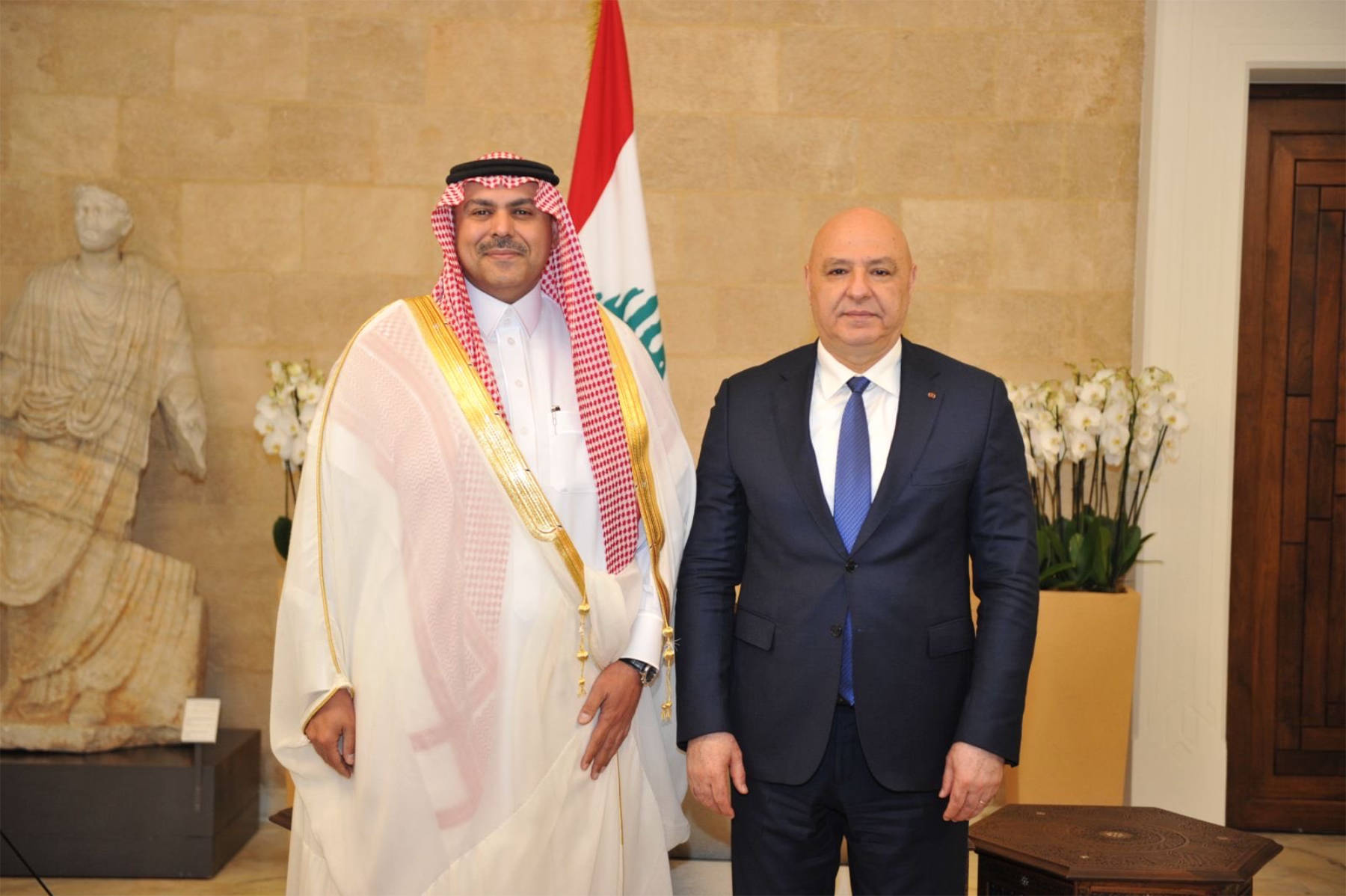
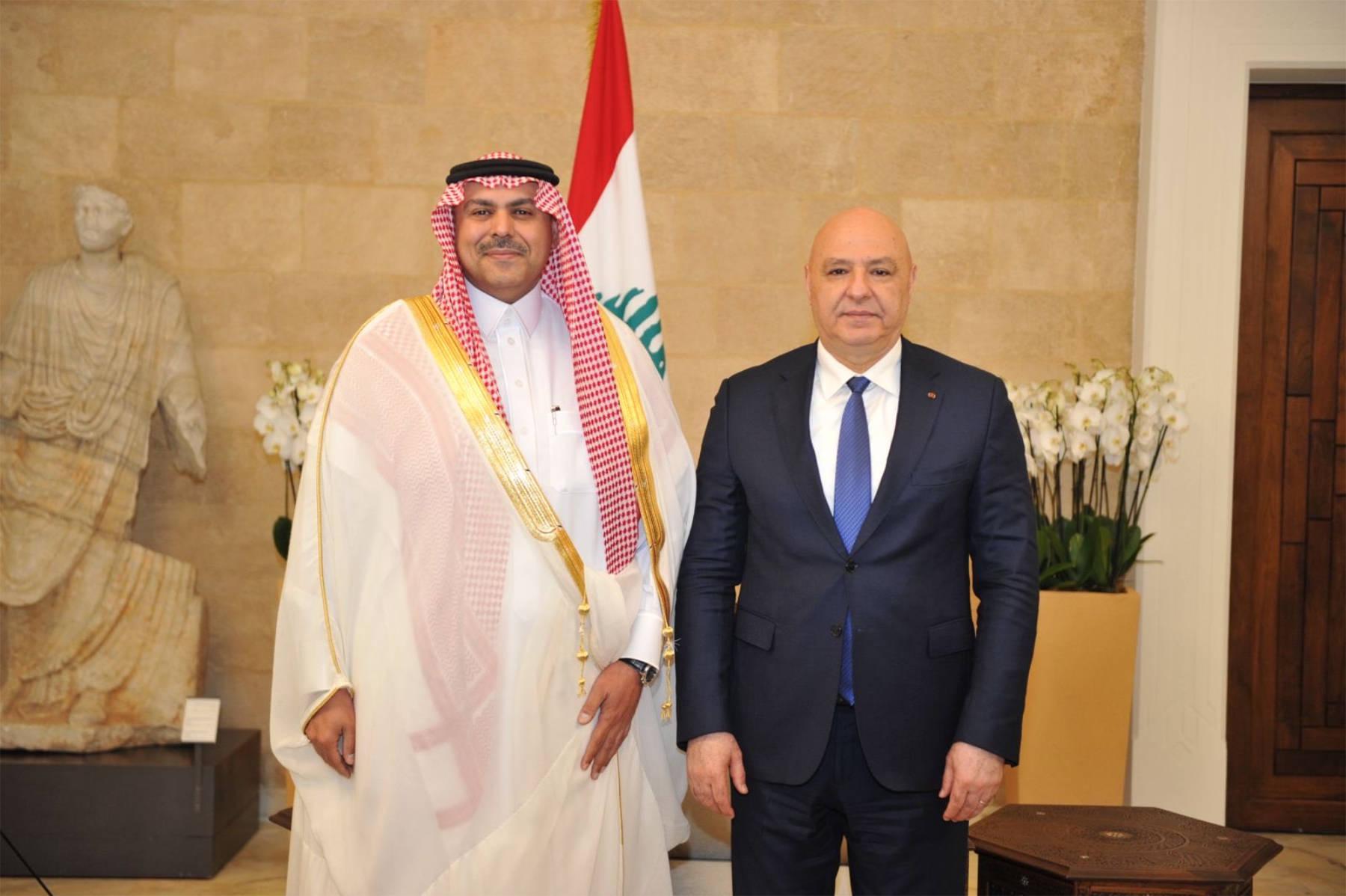
BEIRUT – Saudi Arabia appointed on Friday Fahd bin Abdulrahman Al-Dosari as its new ambassador to Lebanon, in a move that underscores the steady improvement in relations between the two countries after years of political tension and diplomatic distance.
The appointment comes amid a growing Saudi re-engagement with Lebanon, driven by recent political developments in Beirut and wider Arab efforts to support the country's stability and reintegration into its regional environment.
According to a statement issued by the Saudi Embassy in Beirut on X, Dosari formally presented his credentials to Lebanese President Joseph Aoun during an official ceremony at Baabda Palace. Lebanese Foreign Minister Youssef Rajji, senior Lebanese officials and members of the Saudi diplomatic mission attended the event.
During the ceremony, Dosari conveyed the greetings of King Salman bin Abdulaziz and Crown Prince and Prime Minister Mohammed bin Salman to President Aoun, along with their wishes for continued progress and prosperity for Lebanon and its people.
The appointment is being viewed as another sign of warming ties between Riyadh and Beirut, with both sides increasingly emphasising the importance of expanding political and economic cooperation and supporting Lebanon's stability during a critical period.
Relations between Saudi Arabia and Lebanon deteriorated sharply in recent years amid disputes linked to Hezbollah's role and influence in Lebanese politics. Diplomatic tensions led to a reduction in political engagement and a series of economic measures by Gulf states.
More recently, however, both countries have signalled a willingness to turn the page. In September 2025, Hezbollah Secretary-General Naim Qassem publicly called on Saudi Arabia to open a new chapter in relations with the group as part of broader efforts to ease regional tensions.
One of the clearest signs of rapprochement came earlier this month when Saudi Arabia lifted its ban on Lebanese imports, ending restrictions imposed in 2021 after authorities seized millions of Captagon pills hidden inside a shipment of pomegranates from Lebanon.
The decision, announced on June 10, was taken on the instructions of Crown Prince Mohammed bin Salman and reflected what Saudi officials described as positive steps by the Lebanese government to rebuild state institutions, as well as Beirut's cooperation in implementing required security measures and commitments.
The return of a fully accredited Saudi ambassador is widely seen as reinforcing the renewed momentum in bilateral relations and signalling the reopening of channels of communication at multiple levels.
Recent months have witnessed intensified political contacts, official visits and continued Saudi support for efforts aimed at strengthening Lebanese state institutions and restoring their authority. Saudi officials have also indicated a willingness to engage positively with Lebanon's new political phase, provided Beirut continues to pursue long-awaited political and economic reforms.
For Lebanon, the improvement in relations carries significant economic implications. The country remains mired in one of the worst financial crises in its history, and renewed ties with Saudi Arabia, one of the Arab world's largest economies, could help unlock Gulf investment, revive tourism and restore confidence among regional and international investors.
Before relations deteriorated, Saudi Arabia was a major destination for Lebanese exports and one of the largest sources of tourism and financial inflows supporting key sectors such as hospitality, retail, real estate and services.
Economists note that while the immediate impact of reopening trade may be limited, given the profound changes in Lebanon's economy since 2021, the political significance of Saudi Arabia's renewed engagement could prove far more consequential over the longer term.
A broader return of Saudi investment, tourism and financial activity could provide a much-needed boost to Lebanon's fragile economy, support monetary stability and help restore investor confidence at a time when the country is seeking to emerge from years of economic collapse.
Politically, stronger ties with Riyadh could also reinforce Lebanon's position within the Arab fold and provide additional backing for state institutions as they confront domestic and regional challenges. The improvement may further support reform efforts demanded by the international community as a prerequisite for economic recovery.
Against this backdrop, the appointment of a new Saudi ambassador is being seen as more than a routine diplomatic move. It reflects a broader shift towards a more constructive phase in Saudi-Lebanese relations, one that could create important opportunities for Lebanon to regain part of its economic and political stability if it succeeds in advancing reforms and strengthening state institutions.