

Coordinating for stability
Egypt hosts four-way talks to preserve Middle East peace momentum
Observers say Egypt views the US-Iran accord as an opportunity to rebuild a more stable regional environment.
Friday 19/06/2026
Coordinating for stability
CAIRO – Egypt is intensifying diplomatic efforts in coordination with key regional powers in an attempt to preserve the momentum generated by the recent US-Iran peace agreement and prevent the Middle East from slipping back into confrontation, amid growing signs that some negotiating tracks are faltering and tensions are re-emerging in political exchanges between Washington and Tehran.
The Egyptian coastal city of El Alamein will host a four-way meeting on Sunday bringing together the foreign ministers of Egypt, Saudi Arabia, Turkey and Pakistan, in a move reflecting a shared desire to coordinate positions on the rapidly evolving regional situation.
The gathering is widely seen as part of broader efforts to protect the gains achieved since the end of the war and avert any setback that could return the region to a cycle of instability and conflict.
The meeting comes against a backdrop of rising regional concern after Switzerland announced on Friday that negotiations scheduled between Iran and the United States, with the participation of Qatar and Pakistan, had been postponed indefinitely.
The delay has raised questions over the future of the understandings reached in recent weeks and whether mounting political pressures could undermine their durability.
Egyptian officials have not publicly detailed the agenda of the El Alamein talks. However, Cairo has been actively engaged in diplomatic contacts aimed at sustaining de-escalation following the US-Iran agreement that ended three months of conflict and opened a 60-day period of negotiations on wider issues, including Iran’s nuclear programme.
Observers say Egypt views the US-Iran accord as an opportunity to rebuild a more stable regional environment, particularly after the recent war highlighted the risks associated with a broader confrontation involving regional and international powers.
Cairo also believes that the success of political settlements could create space for addressing other regional disputes through dialogue and diplomacy rather than military action.
As part of these efforts, Egyptian diplomacy has intensified consultations with a range of regional actors.
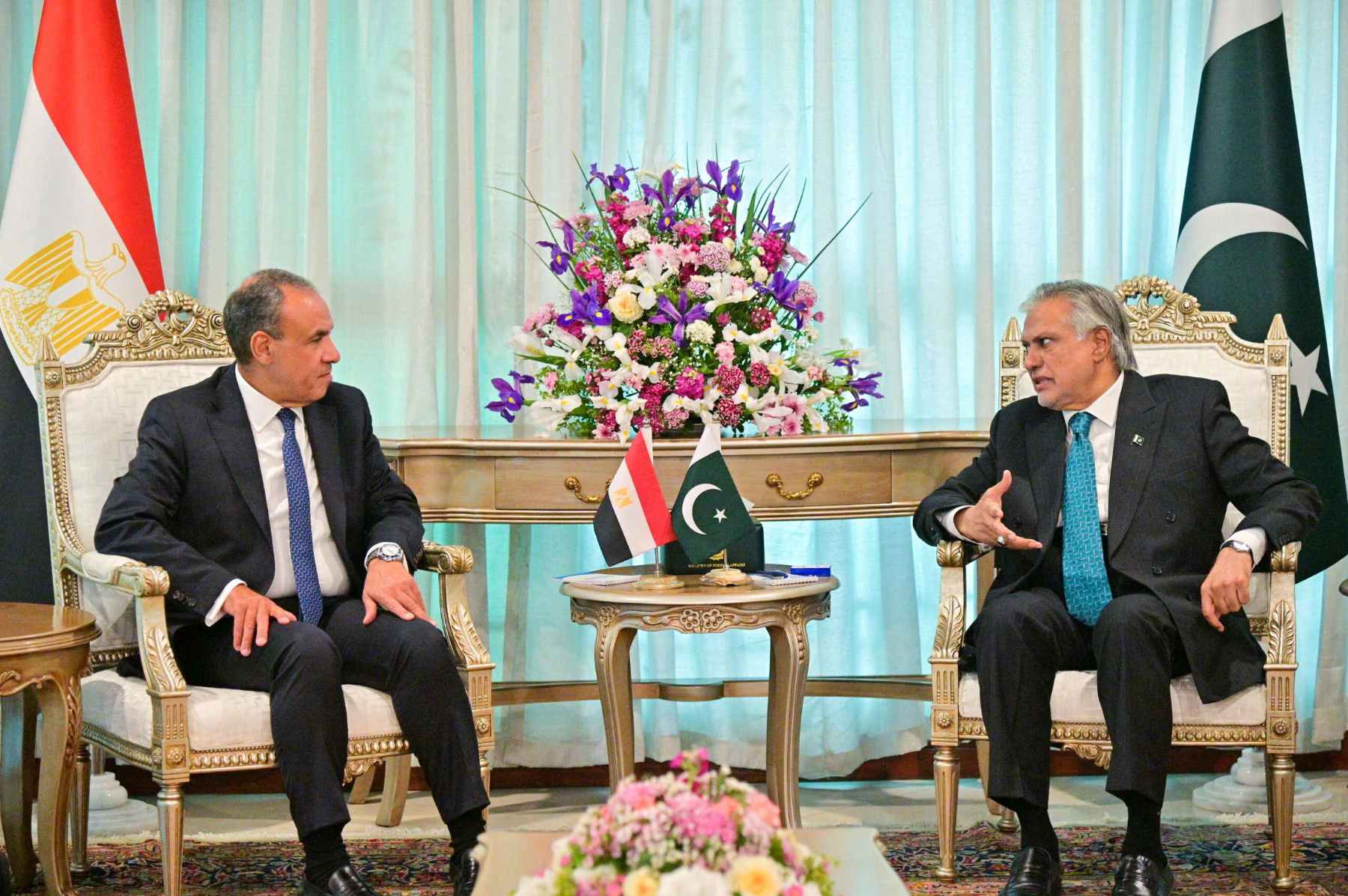
Foreign Minister Badr Abdelatty has held discussions with Iranian Foreign Minister Abbas Araghchi and Pakistani Foreign Minister Muhammad Ishaq Dar focusing on recent developments and ways of supporting de-escalation.
According to diplomatic sources, Egypt has consistently stressed the importance of preserving channels of communication and ensuring that political disagreements or inflammatory rhetoric do not weaken the understandings achieved after complex mediation efforts.
The Foreign Ministry said Abdelatty would hold a quadrilateral meeting with Saudi Foreign Minister Prince Faisal bin Farhan, Turkish Foreign Minister Hakan Fidan and Pakistani Foreign Minister Ishaq Dar, followed by an expanded round of talks and a joint press conference.
The four countries have all been involved in diplomatic initiatives linked to the conflict involving the United States, Israel and Iran. Their foreign ministers last met in April on the sidelines of a diplomatic forum in the Turkish city of Antalya.
Egypt’s concerns are not limited to political and security considerations. Like many countries in the region, it has been affected by the economic fallout from the conflict, including pressure on key revenue-generating sectors, higher energy costs and disruptions to trade and maritime traffic.
Egyptian officials also fear that prolonged uncertainty could undermine investment plans and weigh on economic growth across the region.
Those concerns are shared by other regional powers that view a return to military confrontation as likely to deepen existing crises and threaten the fragile stability achieved after months of diplomacy.
Against that backdrop, Cairo, Riyadh, Ankara and Islamabad appear determined to reinforce the peace track and prevent developments that could encourage any of the parties involved to retreat from the agreement.
The four countries are said to share a growing conviction that the region’s priorities lie in stability, economic recovery and cooperation rather than another round of costly conflict.
The urgency of those efforts has increased after US-Iran talks planned for Switzerland were postponed and fighting resumed in parts of Lebanon between Israeli forces and Iran-backed Hezbollah fighters, raising fresh doubts about the durability of the broader diplomatic process.
For Egypt, preserving the peace momentum generated by the US-Iran agreement has become a strategic priority, both to reduce the risk of renewed conflict and to create conditions more conducive to economic recovery and regional stability.