


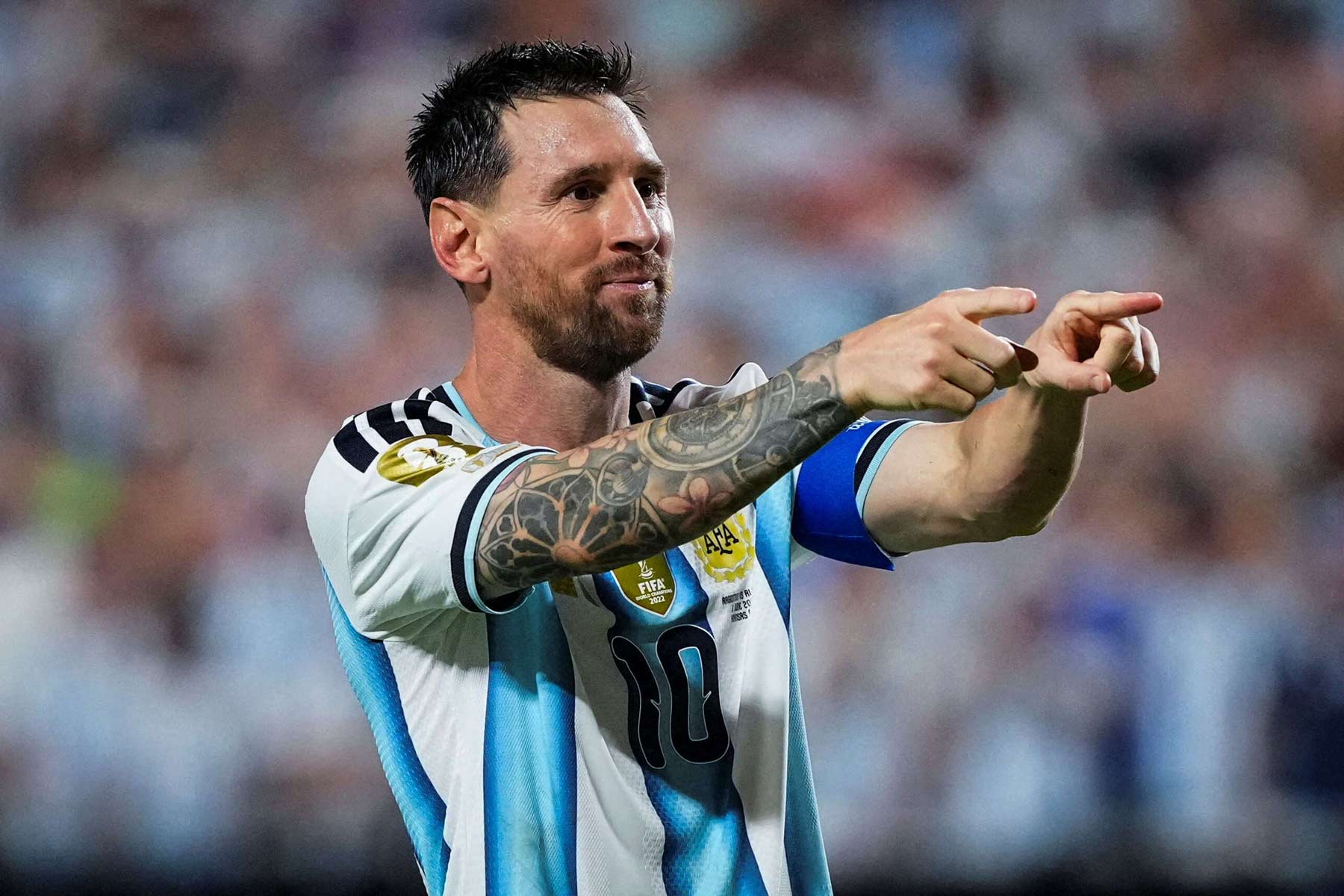
Messi needs no conspiracy … only a ball
Messi hat-trick leaves Algeria searching for answers after crushing loss
Critics argue that repeatedly attributing sporting setbacks to hostile external forces risks creating a culture of victimhood that prevents meaningful reform.
Monday 22/06/2026
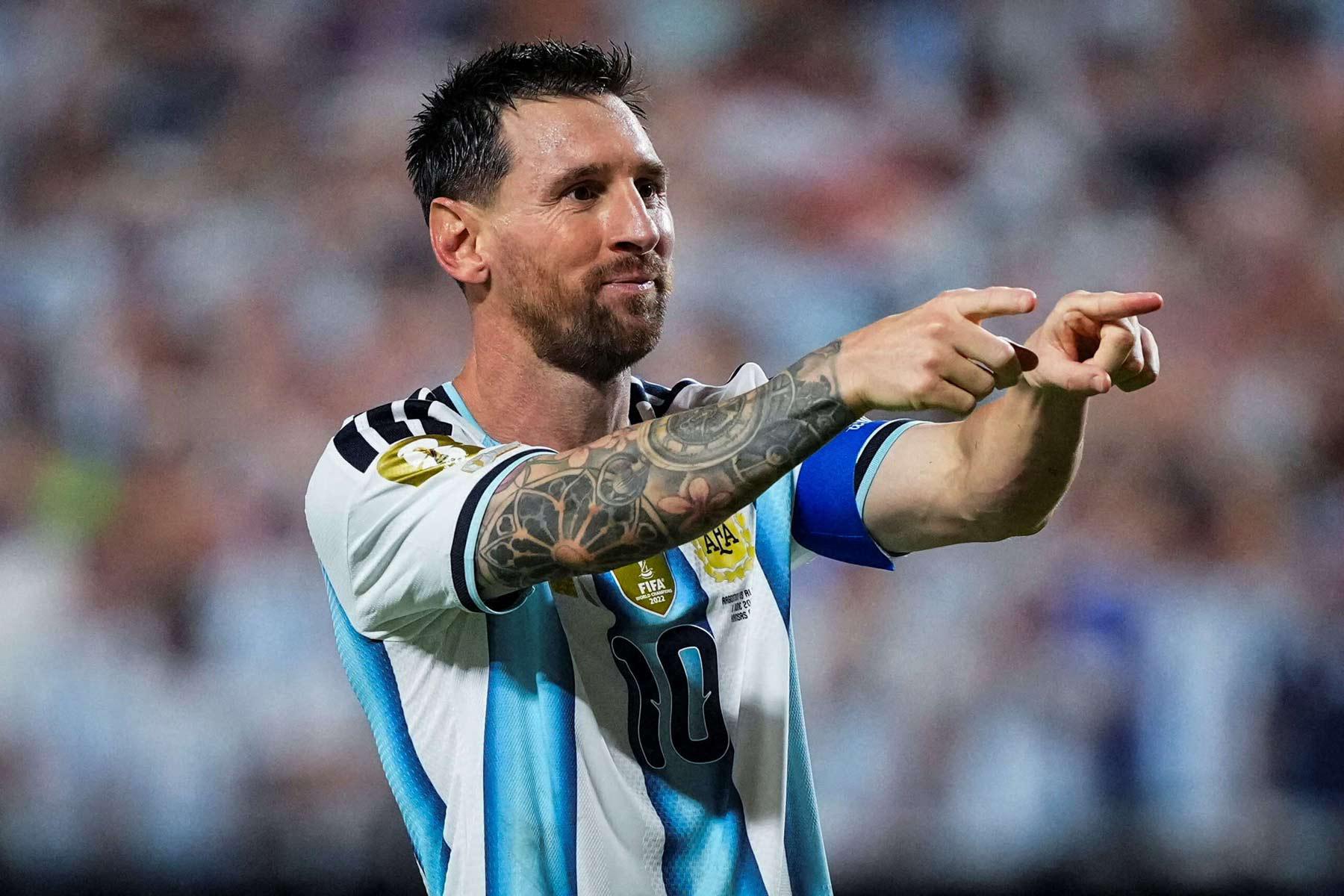
Messi needs no conspiracy … only a ball
ALGIERS – What began as a straightforward football defeat has evolved into a broader political, media and institutional controversy in Algeria, exposing growing tensions over accountability, public debate and the role of state-controlled narratives following the national team's 3-0 World Cup defeat to Argentina.
Lionel Messi's hat-trick in Kansas City on June 17 delivered one of the most emphatic performances of the tournament and laid bare Algeria's defensive vulnerabilities. Yet the discussion that followed quickly moved beyond football.
Instead of focusing solely on coach Vladimir Petkovic's tactical decisions and the team's shortcomings, parts of the Algerian media framed the result through the prism of politics and international conspiracies.
The controversy reached a peak when state television analyst Mustapha Mazouzi claimed Messi was protected by a "Jewish lobby" and suggested Algeria's political positions on Palestine and Western Sahara had contributed to the team's inability to progress deep into the tournament.
The remarks sparked widespread ridicule across social media, where thousands of users mocked attempts to explain a footballing defeat through geopolitical theories rather than sporting realities.
Many Algerians themselves rejected the narrative, arguing that Messi's performance reflected a clear difference in quality between the two teams.
At the same time, anger over refereeing decisions continued to grow. The Algerian Football Federation filed a formal complaint with FIFA over several incidents, most notably a challenge by Messi on captain Aissa Mandi that many Algerian supporters believed warranted a red card.
The challenge, overseen by highly respected Polish referee Szymon Marciniak, divided opinion. While some observers felt video review could have justified an on-field review, many refereeing experts argued there was insufficient evidence of excessive force or malicious intent to justify dismissal.
The controversy nevertheless became a focal point of national debate.
As criticism mounted, Algeria's National Independent Audiovisual Regulatory Authority (ANIRA) intervened. Three days after the defeat, the regulator issued guidance to broadcasters, warning against commentary that strayed from technical analysis into personal attacks or accusations that could undermine public confidence.
The authority urged media outlets to support the national team and promote unity, a move critics interpreted as an attempt to limit harsh scrutiny of the team's performance and management.
The intervention fuelled further debate about whether authorities were seeking to manage public frustration rather than encourage open discussion about the causes of the defeat.
Observers noted that while many successful football nations focus on infrastructure, youth development, coaching standards and institutional reform, parts of the Algerian football debate often become entangled with wider political narratives.
Critics argue that repeatedly attributing sporting setbacks to hostile external forces risks creating a culture of victimhood that prevents meaningful reform.
They warn that presenting Algeria as a country constantly targeted because of its political positions may temporarily soothe public anger but ultimately distracts from the difficult work required to improve results on the pitch.
The controversy has also highlighted broader concerns about media freedom and public discourse. Some commentators pointed to the increasingly narrow space for critical analysis within sports broadcasting, while others argued that football should remain separate from geopolitical disputes.
With crucial group-stage matches still ahead, including a highly-anticipated clash against Jordan, concerns remain that future results could once again become entangled in political narratives rather than footballing assessments.
For many supporters, however, the central issue remains simple. Argentina won because it possessed the better team, the better player and the better performance.
The broader debate now facing Algeria is whether lessons from defeat will be sought through honest sporting analysis and institutional reform, or through conspiracy theories that offer emotional comfort but little prospect of improvement.
In the eyes of many fans, Algeria's greatest challenge is not what happened against Argentina, but whether the country's football establishment is willing to confront uncomfortable truths instead of searching for explanations far beyond the touchlines.