


Honour or error? A syndicate under fire
Honour for former Brotherhood minister divides Egypt’s journalists
For critics, Abdel Maqsoud is inseparable from his role as information minister under Mohamed Morsi and his longstanding association with the Muslim Brotherhood.
Monday 22/06/2026

Honour or error? A syndicate under fire
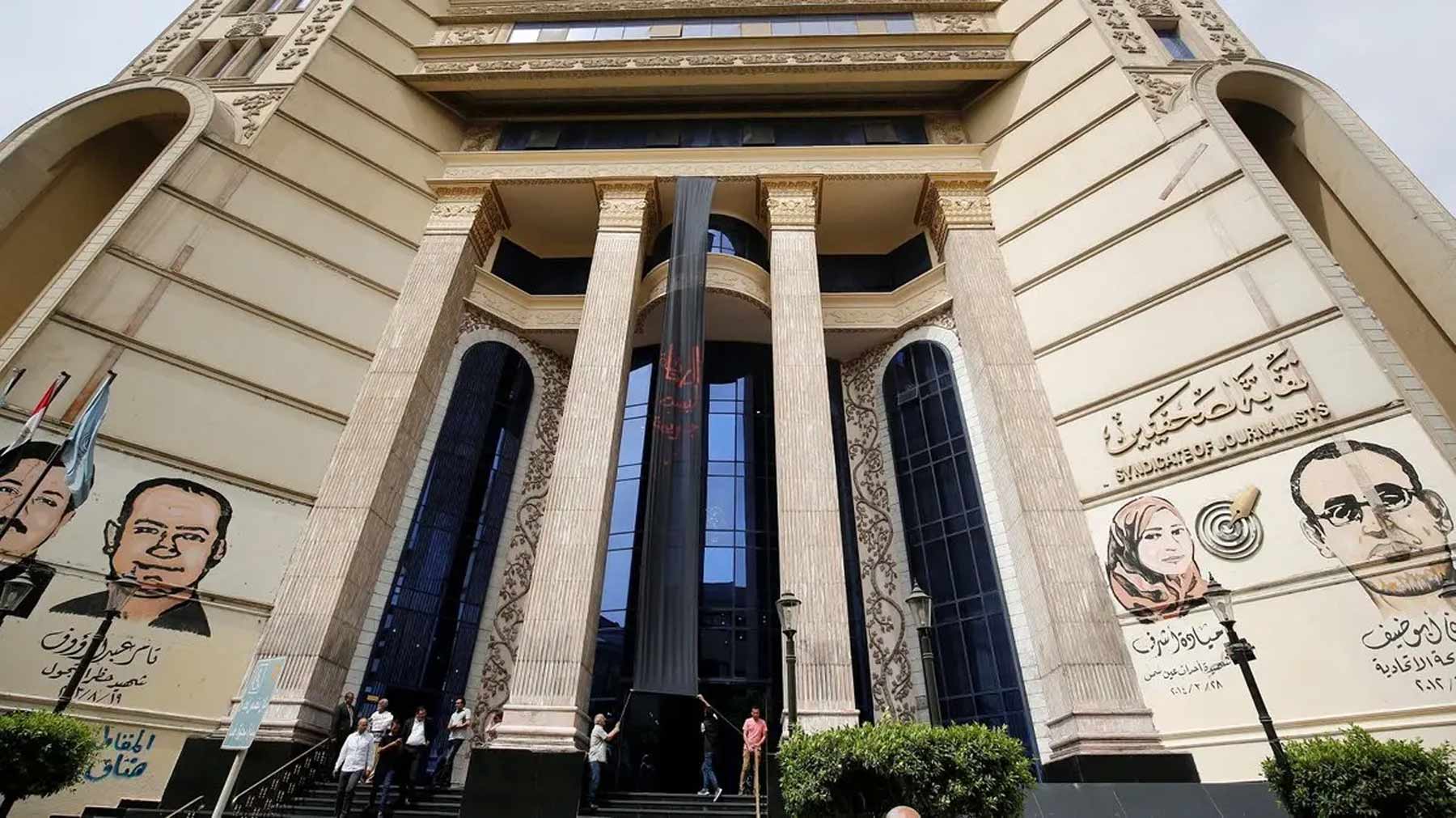
CAIRO – A decision by Egypt's Journalists' Syndicate to include former information minister Salah Abdel Maqsoud among figures honoured during a commemoration of a historic press freedom battle has evolved into a wider confrontation over political memory, professional independence and the enduring legacy of the Muslim Brotherhood in Egypt.
The controversy began during preparations for events marking the 30th anniversary of the journalists' uprising against Law 93 of 1995, legislation that journalists at the time denounced as one of the most serious threats to press freedom under former president Hosni Mubarak.
The syndicate's leadership sought to honour members of the 1995 council who played leading roles in opposing the law and defending journalists' rights. Among those automatically included was Abdel Maqsoud, who served as an elected council member during that period.
What might ordinarily have been viewed as a historical commemoration quickly became a political flashpoint.
For critics, Abdel Maqsoud is inseparable from his later role as information minister under Mohamed Morsi and his longstanding association with the Muslim Brotherhood.
The timing of the decision intensified the controversy, coming as Egypt prepares to mark the anniversary of the June 30 protests that culminated in the military-backed removal of Morsi and the subsequent crackdown on the Brotherhood.
Government-aligned commentators accused the syndicate of crossing a political red line by granting recognition to a figure associated with a movement still regarded by the Egyptian state as a national security threat.
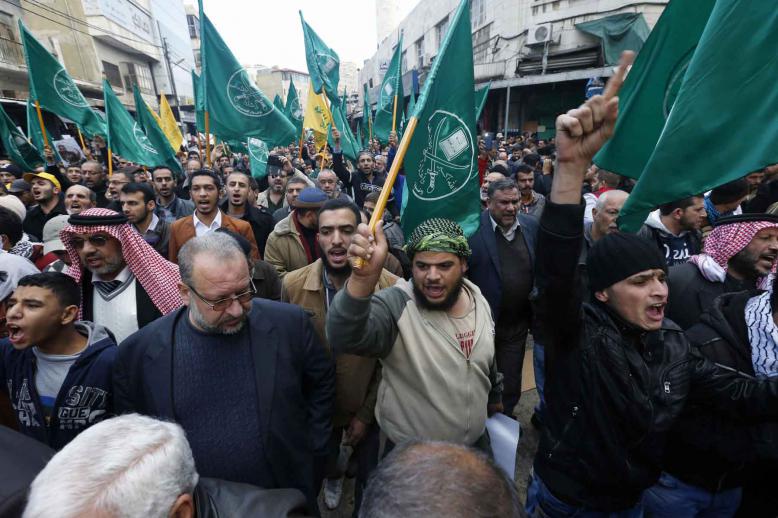
The backlash reflected the continuing influence of the Brotherhood question on Egyptian public life more than a decade after the movement's fall from power.
Supporters of the syndicate's decision countered that professional institutions cannot selectively rewrite history based on subsequent political developments.
They argued that Abdel Maqsoud's inclusion stemmed solely from his documented role in one of the most important battles for press freedom in modern Egyptian history.
Journalists defending the move also pointed to his contributions to professional welfare programmes, healthcare services and support mechanisms for members of the profession during his years of union activity.
The dispute has exposed a deeper question facing many professional bodies in Egypt: whether historical recognition can be separated from contemporary political loyalties.
Syndicate chairman Khaled Elbalshy attempted to draw that distinction clearly.
Rejecting accusations of political rehabilitation, he insisted that the organisation was merely documenting its own history and could not selectively erase participants from historical events because of later political developments.
His remarks reflected a broader concern among journalists that professional organisations must preserve their institutional memory regardless of shifting political circumstances.
Yet the intensity of the reaction illustrated how difficult such separation remains in Egypt's highly polarised environment.
The controversy also comes at a time when journalists are campaigning for reforms to laws they argue continue to restrict freedoms and media independence.
Elbalshy suggested that the debate over Abdel Maqsoud was diverting attention from those more substantive battles, including efforts to amend legislation affecting freedom of expression and press rights.