

Countdown to Washington
Iraq’s new premier races to deliver stability before Washington visit
Nine key portfolios remain vacant, including the politically sensitive Interior and Defence ministries.
Monday 22/06/2026
Countdown to Washington
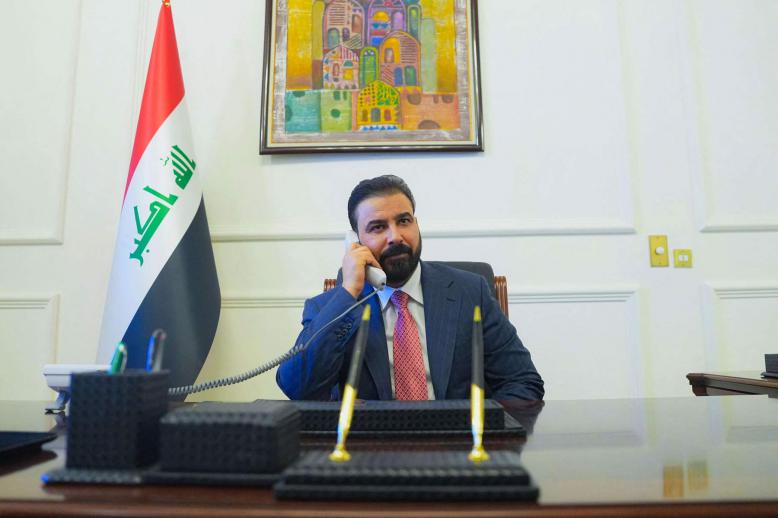
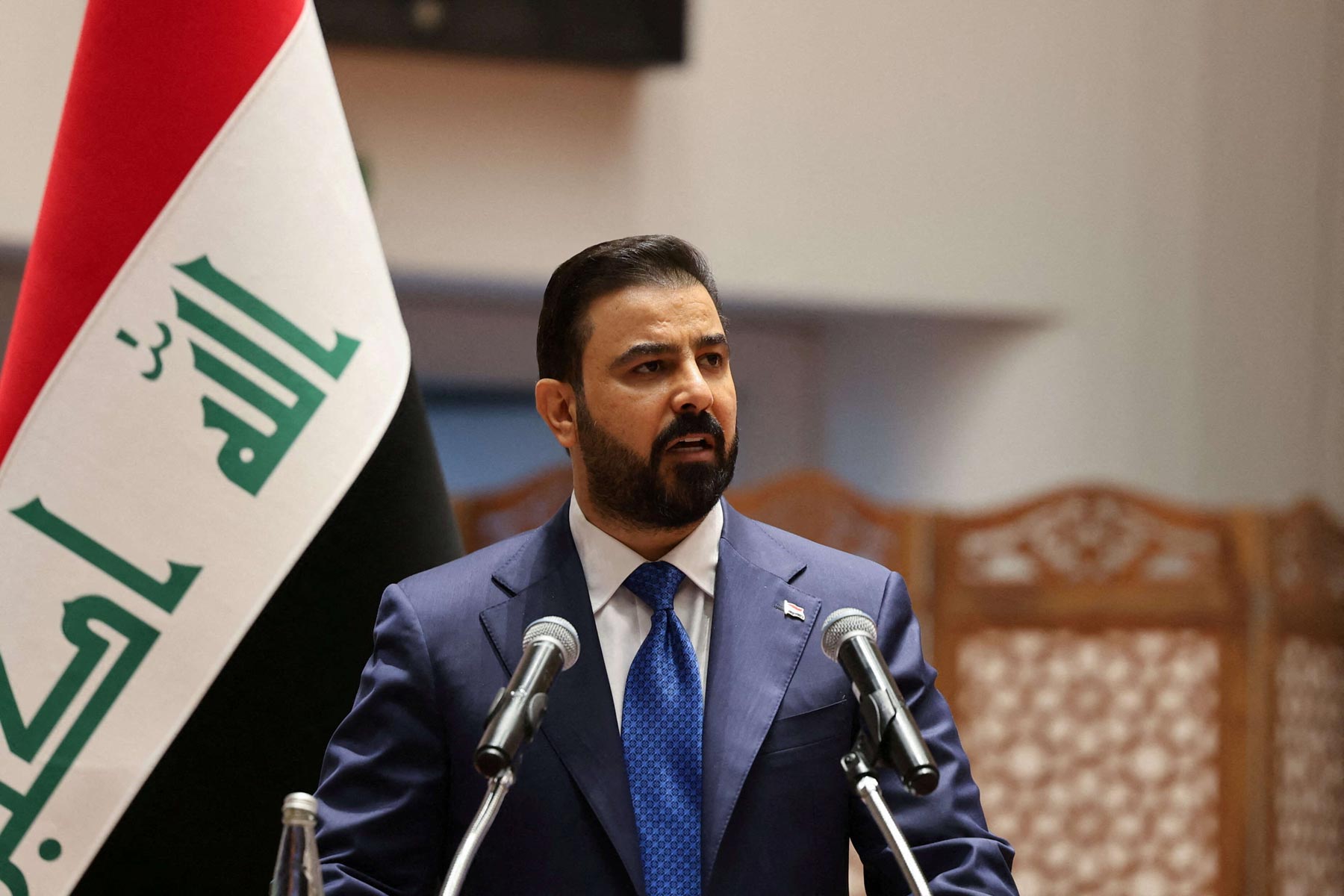
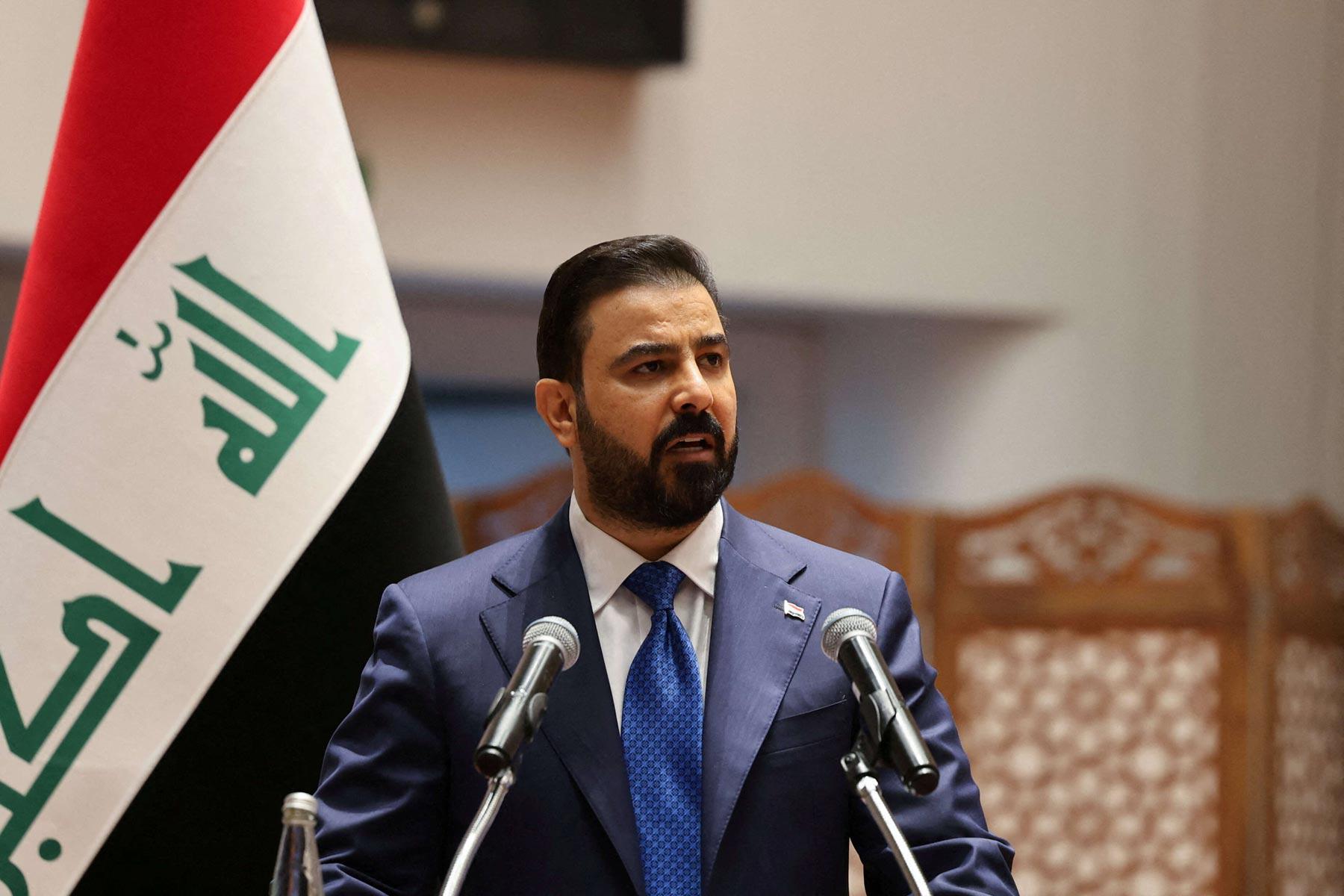
BAGHDAD – Prime Minister Ali al-Zaidi is entering what may become the defining phase of his premiership, racing to complete Iraq's government, advance security reforms and demonstrate political stability before a landmark meeting with US President Donald Trump in Washington next month.
The July visit is expected to be the first foreign trip of Zaidi's tenure and could shape Iraq's economic and security trajectory at a time when the country is attempting to move beyond years of political paralysis, militia influence and regional turbulence.
At the centre of the effort is a government formation process that remains incomplete more than a month after parliament approved 14 ministers. Nine key portfolios remain vacant, including the politically sensitive Interior and Defence ministries.
Political sources say negotiations are continuing among Iraq's major blocs, with a parliamentary session tentatively scheduled for July 5 to vote on the remaining ministers and secure a fully functioning cabinet before the prime minister departs for Washington.
The stakes extend far beyond government formation.
Zaidi has built much of his political credibility around restoring the state's authority and reducing the influence of armed groups operating outside direct government control. His administration has launched a sweeping series of personnel changes across state institutions, intelligence agencies and security bodies, moves allies describe as part of a broader restructuring effort rather than political purges.
Supporters argue that the reshuffles are designed to strengthen institutions and align them with a strategy centred on security reform, economic modernisation and tighter state control over weapons.
The issue has become a key benchmark for relations with Washington.
American officials have repeatedly urged Baghdad to curb the influence of Iran-aligned factions and separate armed groups from state institutions. US officials have privately and publicly signalled that future security assistance and broader cooperation will depend on visible progress.
Recent developments suggest the government may be making headway. Several factions linked to the Popular Mobilisation Forces have agreed to place their military structures under government administration. Yet some of Iraq's most powerful armed groups continue to resist disarmament, arguing that their weapons remain necessary while international forces remain present in the country.
This unresolved question is expected to feature prominently during discussions with Trump.
The Iraqi government, however, insists that security reform is only one part of a much broader agenda.
Economic issues are expected to dominate the Washington visit, with Baghdad seeking investment, technology partnerships and support for large-scale development projects. Officials view economic diversification as essential for reducing dependence on oil revenues and creating employment opportunities for Iraq's rapidly growing population.
At home, Zaidi has also attempted to distinguish himself from traditional Iraqi political leaders.
In a surprise announcement, government officials revealed that the prime minister has no intention of contesting future elections or establishing a political movement of his own. The message appears designed to portray him as a reform-oriented technocrat focused on governance rather than political survival.
His administration has simultaneously elevated the fight against corruption to the top of its agenda.
Government spokesman Haider al-Aboudi described corruption as the greatest threat facing Iraq's political system, arguing that financial mismanagement poses a greater long-term challenge than many security threats.
Relations with the Kurdistan Region are also receiving renewed attention. Baghdad has moved to reassure Kurdish authorities that salary payments for public employees will continue without interruption, while supporting the region's ongoing transition towards digital salary distribution systems.
The effort reflects a broader attempt to reduce long-standing tensions between Baghdad and Erbil and present an image of federal cohesion ahead of the Washington talks.
Regional diplomacy is also influencing Iraq's calculations. Baghdad has welcomed ongoing negotiations between the United States and Iran, believing that reduced tensions could improve regional stability, attract investment and lower the risk of Iraq once again becoming an arena for proxy conflict.
For Zaidi, the coming weeks could determine whether his administration is remembered as another short-lived Iraqi government or as the beginning of a new phase focused on institutional reform, economic recovery and stronger state authority.
The success of that effort may ultimately be judged not only by what happens in Washington, but by whether Baghdad can finally deliver on promises that successive Iraqi governments have struggled to fulfill: effective governance, economic opportunity and a state capable of exercising authority over all armed actors within its borders.