

A summit to challenge Tehran's narrative
Iran opposition finds momentum in Paris despite French rally ban
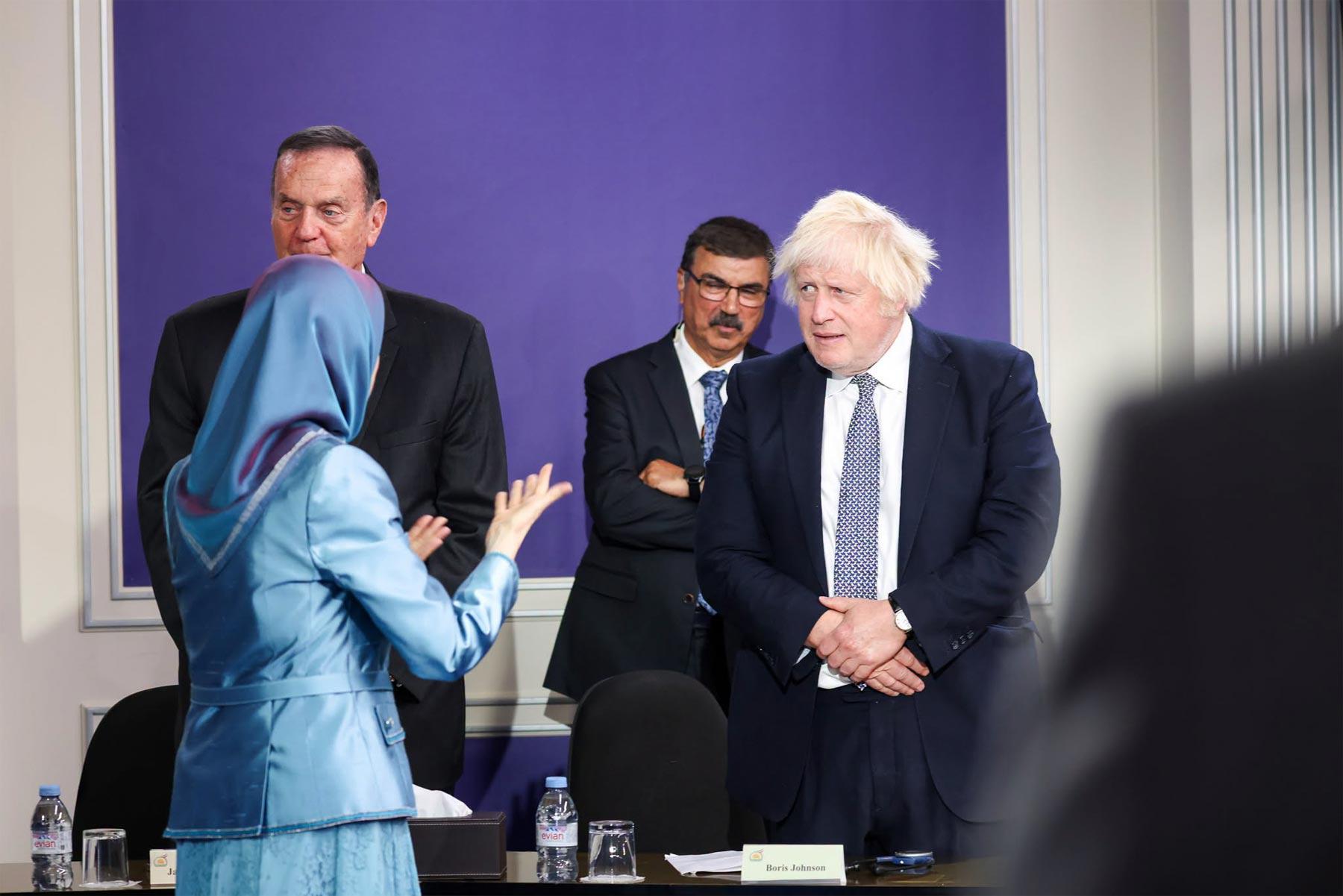
The conference brought together Iranian opposition leaders and a wide range of current and former Western politicians.
Monday 22/06/2026
A summit to challenge Tehran's narrative
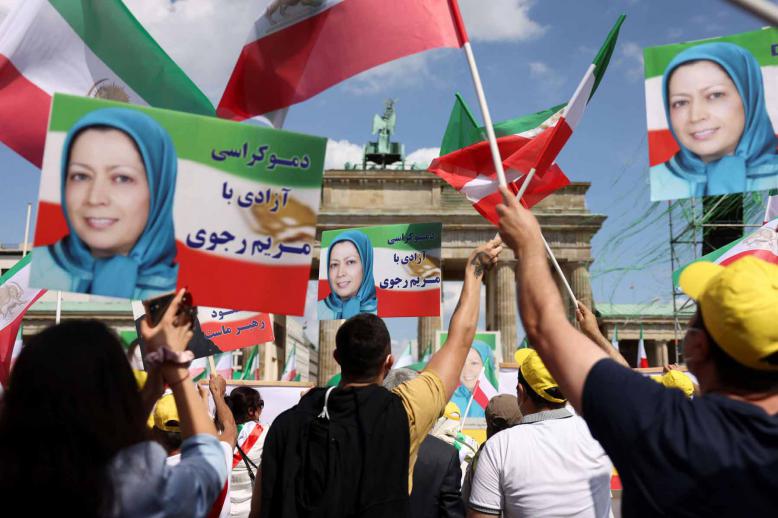
PARIS – A major political gathering organised under the banner "Free Iran 2026" went ahead in Paris on Saturday despite French authorities blocking a planned mass demonstration that organisers said would have drawn tens of thousands of Iranians and supporters of the Iranian resistance from across Europe and beyond.
Rather than silencing the event, opposition figures argued that the ban underscored the growing sensitivity surrounding Iran's political future and highlighted what they described as Tehran's fear of an organised democratic alternative that rejects both the ruling clerical establishment and any return to monarchy.
The conference brought together Iranian opposition leaders and a wide range of current and former Western politicians who delivered a common message: neither military confrontation nor decades of diplomatic accommodation have resolved the Iranian crisis, and meaningful change can only come through the Iranian people and their organised resistance.
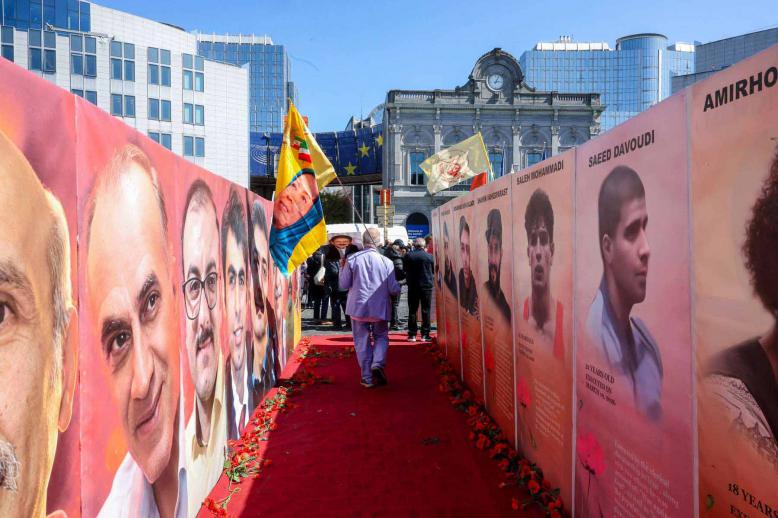
The event coincided with several symbolic anniversaries for the opposition movement, including the 45th anniversary of the launch of organised resistance against the Islamic Republic, the commemoration of political prisoners and martyrs, and the founding of the National Liberation Army of Iran.
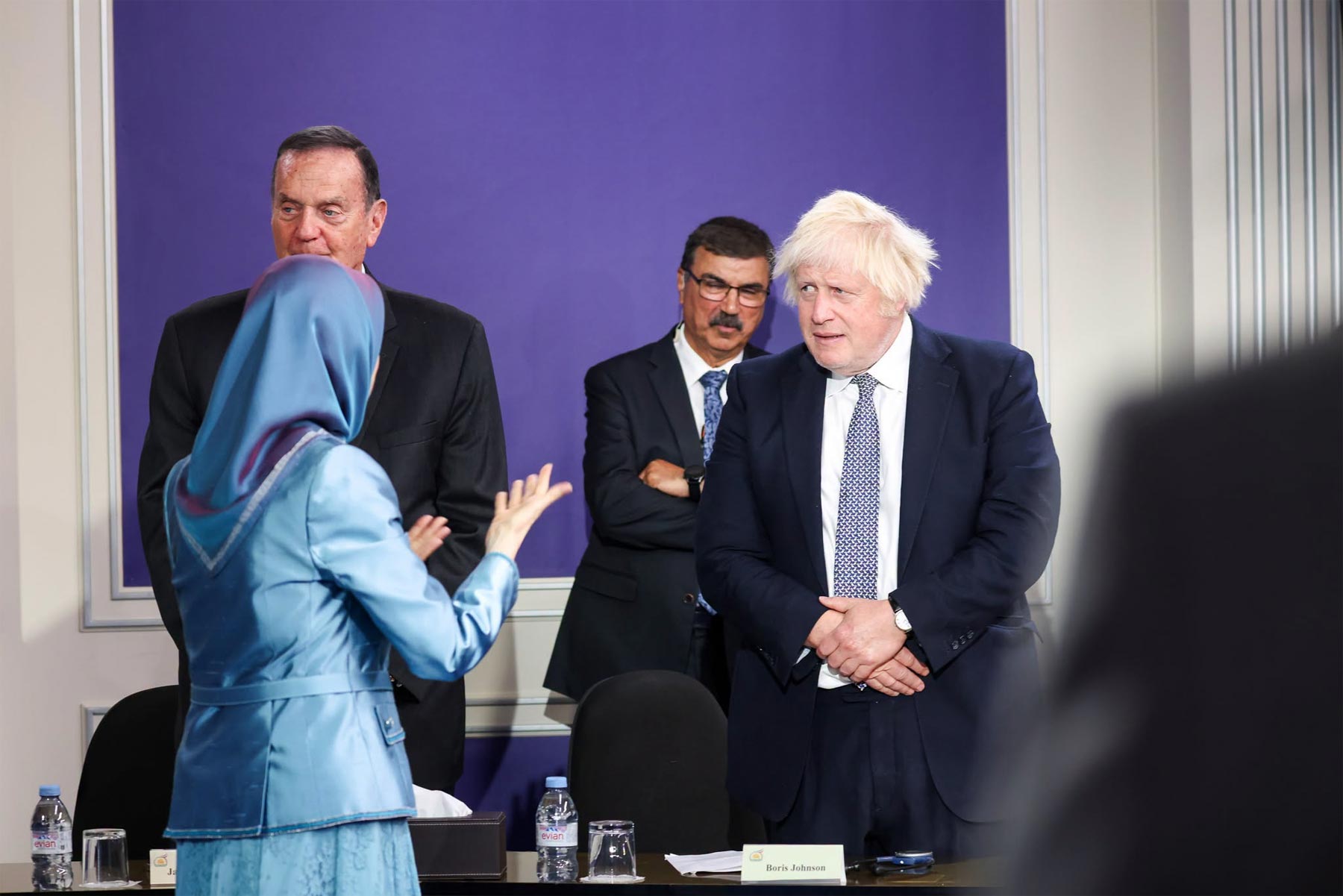
Addressing the gathering, Maryam Rajavi, president-elect of the National Council of Resistance of Iran (NCRI), said the opposition welcomed efforts to end war and spare the Iranian people further suffering.
"The Iranian resistance, which has called for freedom and peace for nearly five decades, welcomes an understanding that ends war and the suffering of the Iranian people," she said.
Rajavi argued that Tehran's pursuit of nuclear weapons, regional confrontation and intervention in neighbouring countries formed part of a broader survival strategy for the ruling establishment.
She maintained that neither foreign military action nor negotiations with the authorities in Tehran would bring lasting change, insisting that only a democratic revolution led by Iranians themselves could remove the system of clerical rule.
"The overthrow of this regime is the responsibility of the Iranian people and their organised resistance," she said.
Several international speakers echoed that message.
French National Assembly member Christine Arrighi, who heads a parliamentary committee supporting a democratic Iran, said the blocked demonstration would have represented the voice of Iranians rejecting both war and political accommodation with Tehran.
She criticised the decision to prohibit the rally, arguing that France, as a country associated with human rights and democratic freedoms, should not prevent a peaceful gathering supporting people seeking liberation from dictatorship.
Former European Council president Charles Michel described the Iranian issue as a test of Europe's commitment to its own values.
He argued that appeasing dictatorships had repeatedly failed throughout history and said military conflict alone could not solve Iran's problems.
According to Michel, a democratic alternative already exists in the form of organised resistance and Rajavi's Ten-Point Plan, which he described as a blueprint for a democratic, secular and non-nuclear Iran living peacefully with its neighbours.
Former British prime minister Boris Johnson also criticised the French decision to cancel the mass rally.
He said missiles and air strikes could not deliver freedom to Iranians and argued that genuine change must emerge from within Iranian society.
"The change cannot come from the Pentagon. It must come from inside Iran, and it will come from inside Iran," Johnson said.
Former Speaker of the House of Commons John Bercow similarly condemned the ban, saying it had effectively benefited the Iranian authorities.
He stressed that the opposition movement was not advocating war or foreign military intervention but democratic change driven by the will of the Iranian people.
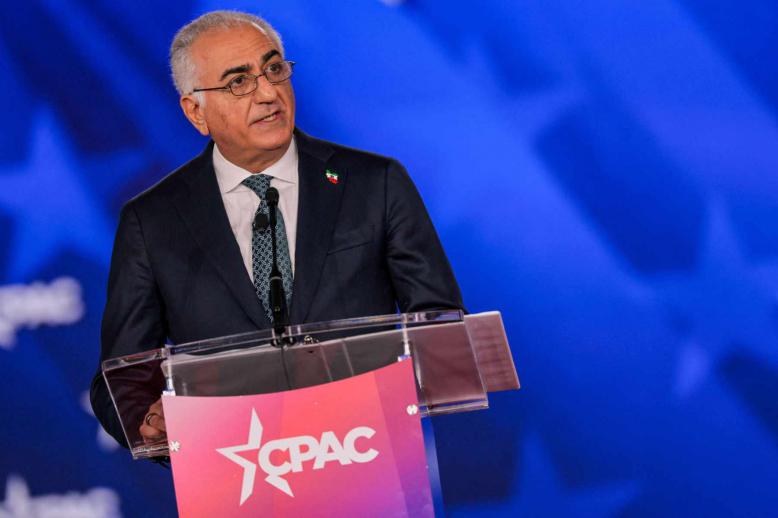
Bercow also rejected proposals that former crown prince Reza Pahlavi should be viewed as Iran's future leader, arguing instead that the NCRI and its affiliated resistance networks represented a modern, pluralistic and democratic alternative.
The conference featured numerous additional interventions from European and North American politicians, all broadly centred on a common theme: neither war nor engagement with Tehran has delivered freedom for Iranians or reduced the threat posed by the regime.
Participants argued that international support should instead focus on recognising the rights of Iranians to challenge the ruling establishment and pursue a democratic republic based on secular governance, equality and human rights.
By the end of the day, organisers argued that the cancellation of the planned march had failed to suppress the opposition's message and had instead drawn greater attention to its central slogan: "No to the Shah, no to the mullahs."