

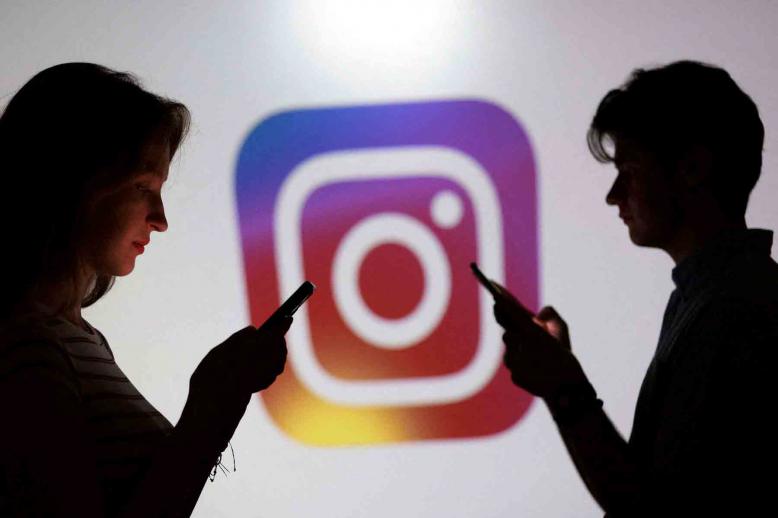



Social media addiction is a complex behavioral phenomenon shaped by psychological and cultural factors
TRENDS Barometer analyses risks of social media addiction on youth mental health
The analysis reveals that excessive use of social media platforms can go beyond normal daily behavior to become a pattern of psychological dependence, characterized by loss of control, mood changes, and negative effects on daily functioning and social relationships.
Monday 22/06/2026

Social media addiction is a complex behavioral phenomenon shaped by psychological and cultural factors
ABU DHABI - Social media addiction is a complex, multidimensional behavioral phenomenon shaped by overlapping psychological, social, and cultural factors, the fourteenth edition of the Global Public Opinion newsletter has revealed. Titled «Social Media Addiction Scale», the study has been published by TRENDS Barometer, which is affiliated with TRENDS Group.
The newsletter shows that excessive use of these platforms can go beyond normal daily behavior to become a pattern of psychological dependence, characterized by loss of control, mood changes, and negative effects on daily functioning and social relationships.
It confirms that this pattern is frequently associated with anxiety, depression, sleep disorders, and poor emotional regulation, with higher risks concentrated among young people, reflecting the vulnerability of this age group to digital pressures. The literature also shows that this phenomenon is widespread globally, with clear variations in prevalence depending on the measurement tools and cultural contexts used.
Demographic Patterns
The new analytical report shows that young people, particularly university students, are the most vulnerable to addiction and the psychological disorders associated with it, including anxiety, depression, and sleep disturbances. The findings indicate that psychological factors such as fear of missing out and social comparison play a central role in reinforcing this behavior.
The report adopts a desk-based analytical approach, drawing on secondary data from recent international and regional empirical studies to assess the prevalence, psychological correlates, and demographic patterns of social media addiction. By synthesizing findings from global and UAE-focused research, the report seeks to contextualize the phenomenon within the Emirati social and cultural environment.
Coping Strategies
The analytical findings show that this phenomenon cannot be explained by a single factor; rather, it results from a complex interaction among psychological drivers, coping strategies, and the cultural context. Increasing reliance on digital platforms reinforces patterns of compulsive use. This issue is particularly important in the UAE, given the widespread use of social media alongside the limited availability of in-depth local studies.
In the UAE context, the report indicates that intensive social media use is shaped by cultural specificities and social structures. It simultaneously reflects opportunities to enhance communication and public awareness, as well as challenges related to mental health and behavioral balance. The report also highlights the lack of local research and the need for culturally adapted measurement tools, such as the Arabic version of the “Bergen” Scale, to better understand the phenomenon.
Psychological and Behavioral Effects
The report notes that social media has expanded rapidly in the UAE over the past few years, particularly among young people. The most widely used platforms include Instagram, TikTok, and Snapchat, which primarily serve communication, entertainment, and information access. At the same time, concerns are growing about the psychological and behavioral effects of excessive and uncontrolled use of social media, which is often referred to as social media addiction.
Although international studies consistently point to a link between excessive social media use and psychological problems such as anxiety, loneliness, low self-esteem, and sleep disorders, there is a lack of localized research that examines these effects within the specific social and cultural context of the UAE community.