

Back in the spotlight
Former Nissan boss says only bold leadership can halt decline
Ghosn cited Nissan’s plunging share price, shrinking sales, plant closures and job cuts as evidence of what he described as management failure.
Thursday 25/06/2026
Back in the spotlight
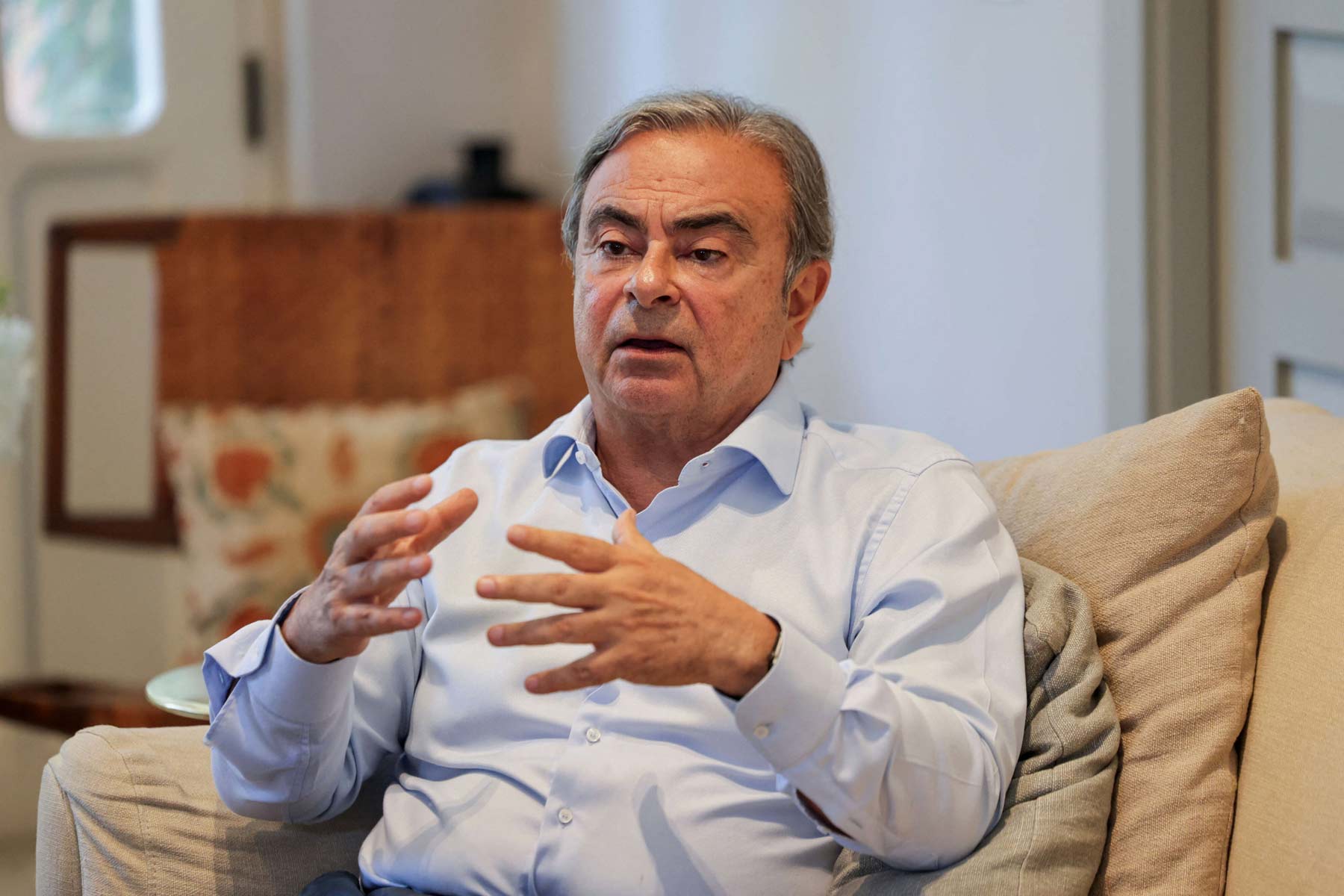
BEIRUT – Former Nissan Chairman Carlos Ghosn said calls by some shareholders for his return reflected deep anger over years of failed turnaround plans, accusing the automaker’s leadership of squandering value and losing direction since his 2018 ouster.
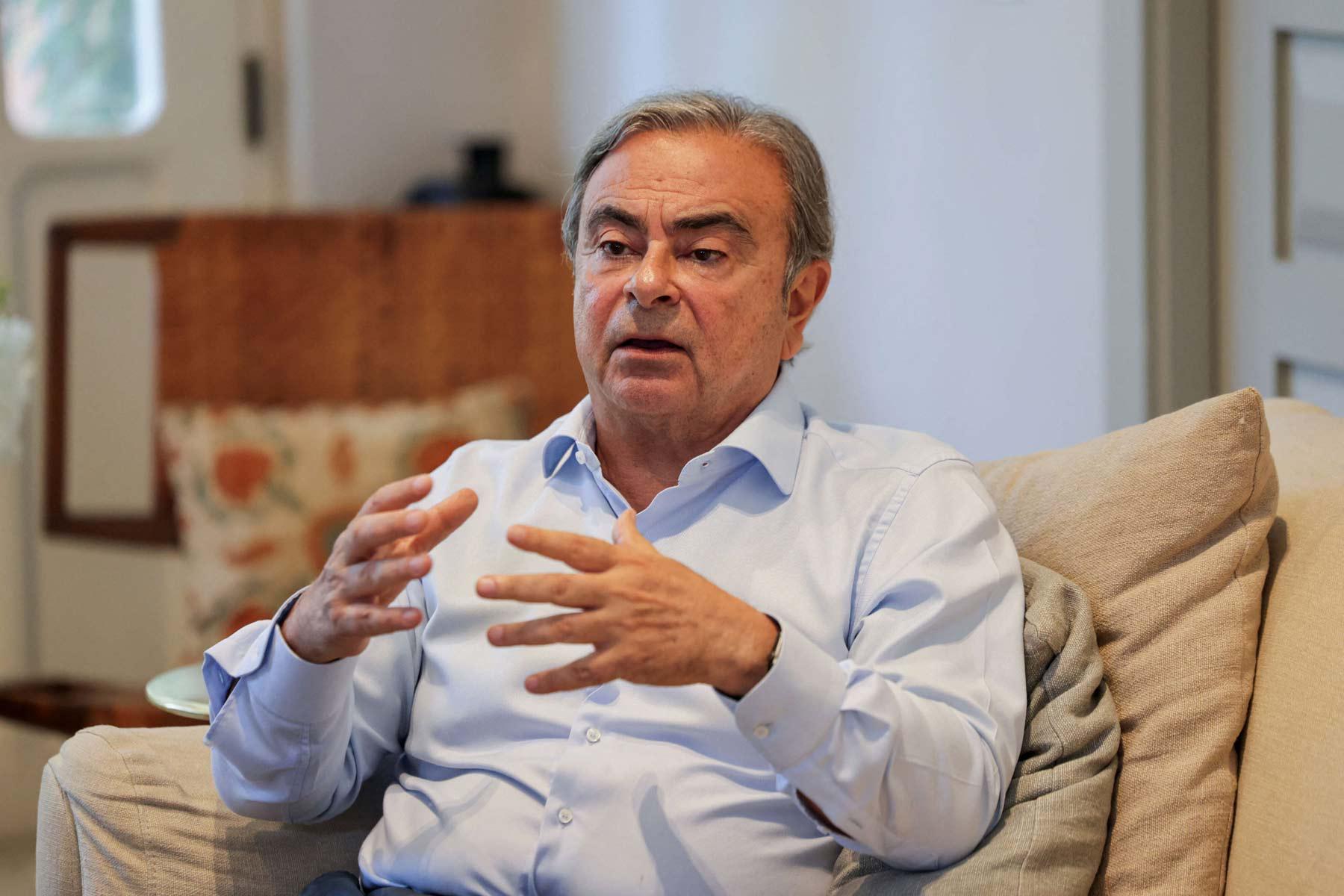
In an interview with Reuters, Ghosn said investors had “had enough” after three chief executives failed to revive the company. At Nissan’s annual meeting on Tuesday, CEO Ivan Espinosa faced shareholder anger and a proposal from at least one investor to bring back the fugitive executive? an effort that failed as shareholders overwhelmingly backed the board.
“It’s a reaction with plenty of common sense,” Ghosn said. “You can feel the anger and the frustration of the shareholders.”
‘They just miss the glory times’
Ghosn led Nissan for nearly two decades and has lived in Lebanon since fleeing Japan in late 2019. He was awaiting trial on financial misconduct charges at the time, which he denies, saying he was the victim of a plot by Nissan executives and Japanese officials.
He cited Nissan’s plunging share price, shrinking sales, plant closures and job cuts as evidence of what he described as management failure.
Ghosn was widely credited with bringing Nissan back from the brink after a 1999 bailout by France’s Renault. He became a national figure in Japan and one of the world’s best-known executives, though that legacy was later tarnished by multiple allegations of financial misconduct.
“Look at the facts; they are dismal,” he said, pointing to an 80 percent fall in Nissan’s share price since 2018, a drop in annual sales to about 3 million vehicles from over 5 million, and the company’s weakening financial position.
In response to questions about Ghosn’s comments, Nissan said it did not comment on “speculative remarks.” It said it was making steady progress in its turnaround plan, had delivered an operating profit in the last financial year and continued to have strong liquidity.
Other major automakers including Volkswagen and Stellantis have also struggled in recent years with the shift to electrification and competition from lower-cost Chinese rivals.
Analysts and Nissan insiders have said Ghosn focused too heavily on sales volumes rather than profitability, leaving Nissan reliant on lower prices and damaging its brand.
Espinosa has focused on boosting value, aiming to raise profit per vehicle even as Nissan sells fewer cars.
“They just miss the glory times of Nissan,” said Macquarie analyst James Hong of the shareholder proposal.
“I’m not sure it makes much economic sense or if it’s a realistic suggestion.” He added the industry had changed considerably since Ghosn’s era.
Overly defensive
Ghosn said Nissan had drifted into slow decision-making and an overly defensive strategy, retreating from markets instead of confronting intensifying competition.
Asked whether he would consider advising Nissan again if circumstances changed, Ghosn said advice would not be enough.
“The only job to save the company is a CEO job,” he said. “It has to be somebody who is really the decision-maker. There is an emergency in Nissan, and tough decisions have to be made.”
“If there is one person or one profile today who can make it happen, it’s mine,” he said. “I’m not saying it because I’m arrogant. I’m saying it because of the facts. I’ve done it already once. I know the company from all the angles.”
Ghosn warned that unless Nissan changed course, it risked becoming a small affiliate of a larger company, most likely a Chinese one.
He compared Nissan’s position to the crisis before Renault’s 1999 rescue, “but with less hope.”
Ghosn, who holds French, Lebanese and Brazilian citizenship, said he regretted accepting another term leading Renault in 2018 and should have retired after achieving his objectives with the alliance.
“This was a big mistake.”