TRENDS launches Levantine Insights magazine
The publication is being launched at a highly complex regional juncture characterized by accelerating political, social, economic, and technological transformations.
Thursday 25/06/2026
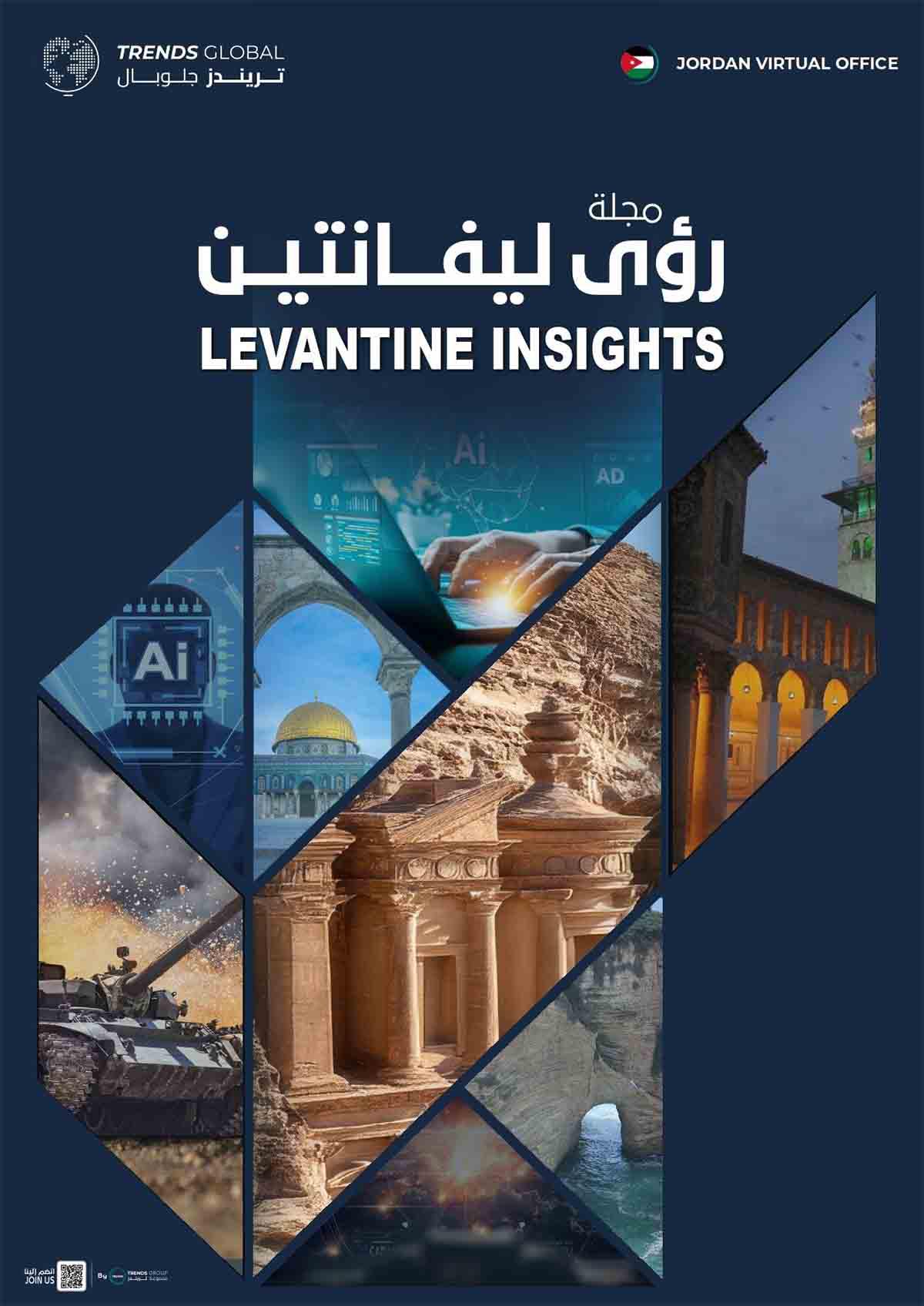
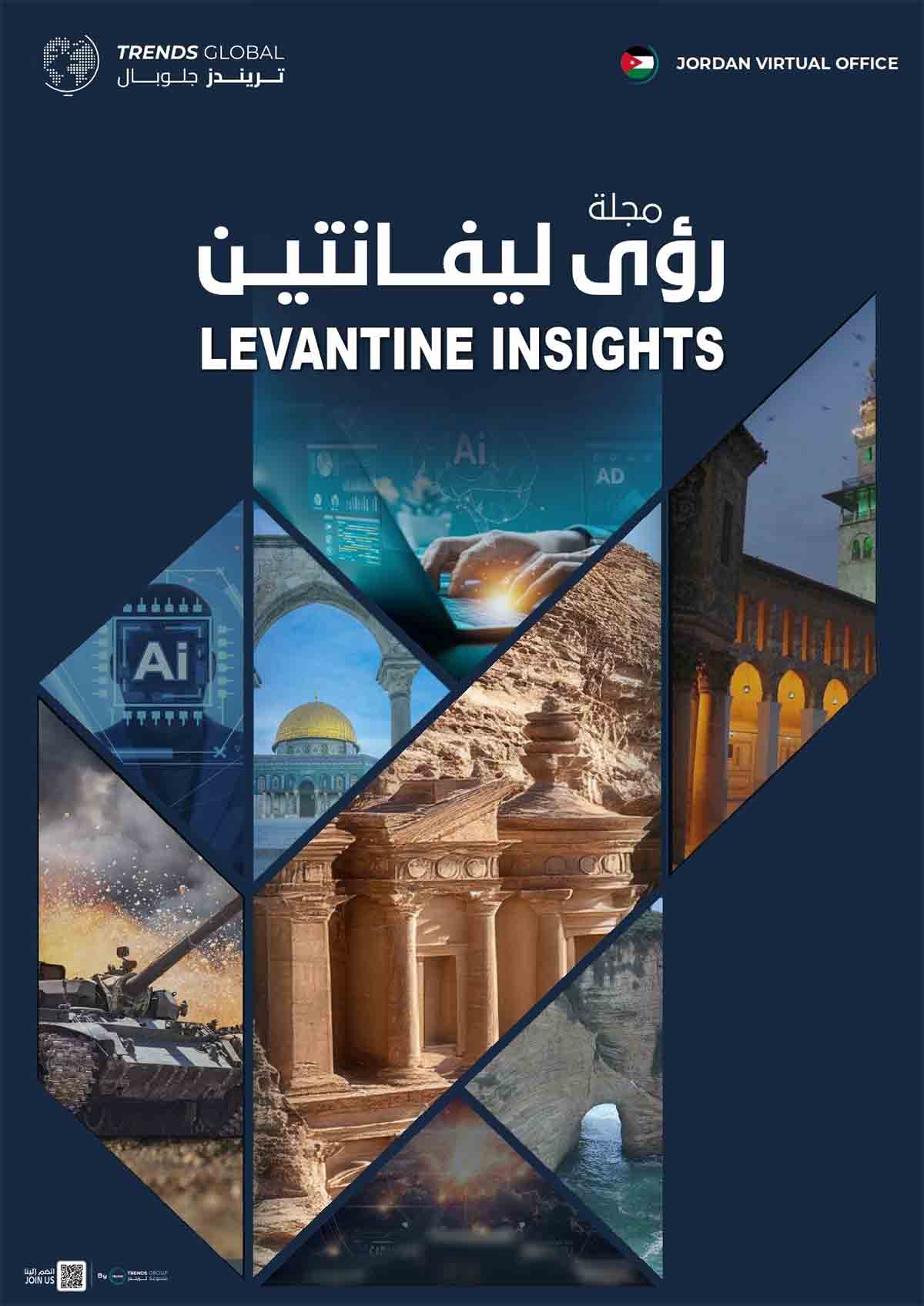
ABU DHABI - As part of a new research initiative, TRENDS Research & Advisory has launched a monthly analytical magazine titled Levantine Insights, produced by the TRENDS Virtual Office in Jordan.
The magazine serves as a trusted knowledge platform dedicated to monitoring and analyzing ongoing developments across the Levant countries—Jordan, Syria, Lebanon, and Palestine—and examining them within their broader regional and international contexts.
This publication is being launched at a highly complex regional juncture characterized by accelerating political, social, economic, and technological transformations. Through the magazine, TRENDS aims to provide in-depth analytical approaches that go beyond conventional tools and rigid narratives, contributing to a realistic and balanced understanding of the region while offering insightful assessments that help researchers and interested audiences anticipate challenges and opportunities amid a period of regional rebalancing and restructuring.
The magazine’s methodology is based on rigorous analysis of international and regional reports and studies, combined with continuous monitoring of field indicators across five key domains: politics, security, society, economy, and technology.
First Edition
The inaugural edition features several major themes that outline the current landscape of the Levant.
The Politics and Security section examines the declining likelihood of large-scale conventional wars and direct military confrontations in the region, alongside the emergence of a complex “neither war nor peace” environment characterized by crisis management and conflict containment rather than comprehensive settlements.
The section also highlights shifts in Israel’s security doctrine toward risk containment and threat management, while emphasizing the growing significance of non-military instruments of influence, including economic, energy, and flexible alliance channels.
In addition, it analyzes evolving Gulf approaches—particularly in Saudi Arabia, the UAE, Qatar, and Kuwait—that are increasingly shifting from a framework of “crisis management” to one of “post-crisis management,” through investment, diplomacy, and development financing aimed at supporting stability in the Arab Mashreq.
The Society and Identity section explores profound social transformations and demographic pressures resulting from conflicts and economic crises. It focuses on the emergence of a “post-conflict generation” that is redefining concepts of citizenship and belonging through transnational networks and open digital spaces.
The section also discusses the declining dominance of centralized state narratives and the rise of digital media, social media platforms, citizen journalism, and influencers as increasingly important actors in shaping public awareness and reproducing societal discourse.
The Economy and Labor Markets section provides a comparative analysis of the structural imbalances affecting regional economies, with particular attention to labor market challenges and high youth unemployment rates.
It further examines prevailing economic adaptation models across the Levant, including economic contraction, the expansion of the informal economy, and the emergence of a “survival economy” in Syria under the pressures of war and sanctions; the collapse of Lebanon’s financial and monetary model and the proliferation of multiple exchange rates; and the demographic pressures and structural unemployment challenges facing Jordan despite the stability of its currency and monetary policies.
The Digital and Technological Dimensions section probes the impact of digital space and artificial intelligence as emerging factors reshaping concepts of power, statehood, and influence. It also assesses the readiness of government institutions in the Levant for digital transformation and explores opportunities for leveraging technology to support development and governance.
In its foreword, the magazine emphasizes that it does not seek to offer definitive conclusions or closed judgments. Instead, it aims to provide professional, evidence-based content that embraces a diversity of perspectives and analytical viewpoints. Through this approach, Levantine Insights aspires to become a specialized monthly reference that enriches public discourse and contributes to the Arab knowledge landscape with rigorous strategic analyses of ongoing transformations and the future of the Arab Mashreq.