

A recalibration of relations between Egypt and the UN refugee agency
Egypt unveils asylum law amid mounting refugee pressures
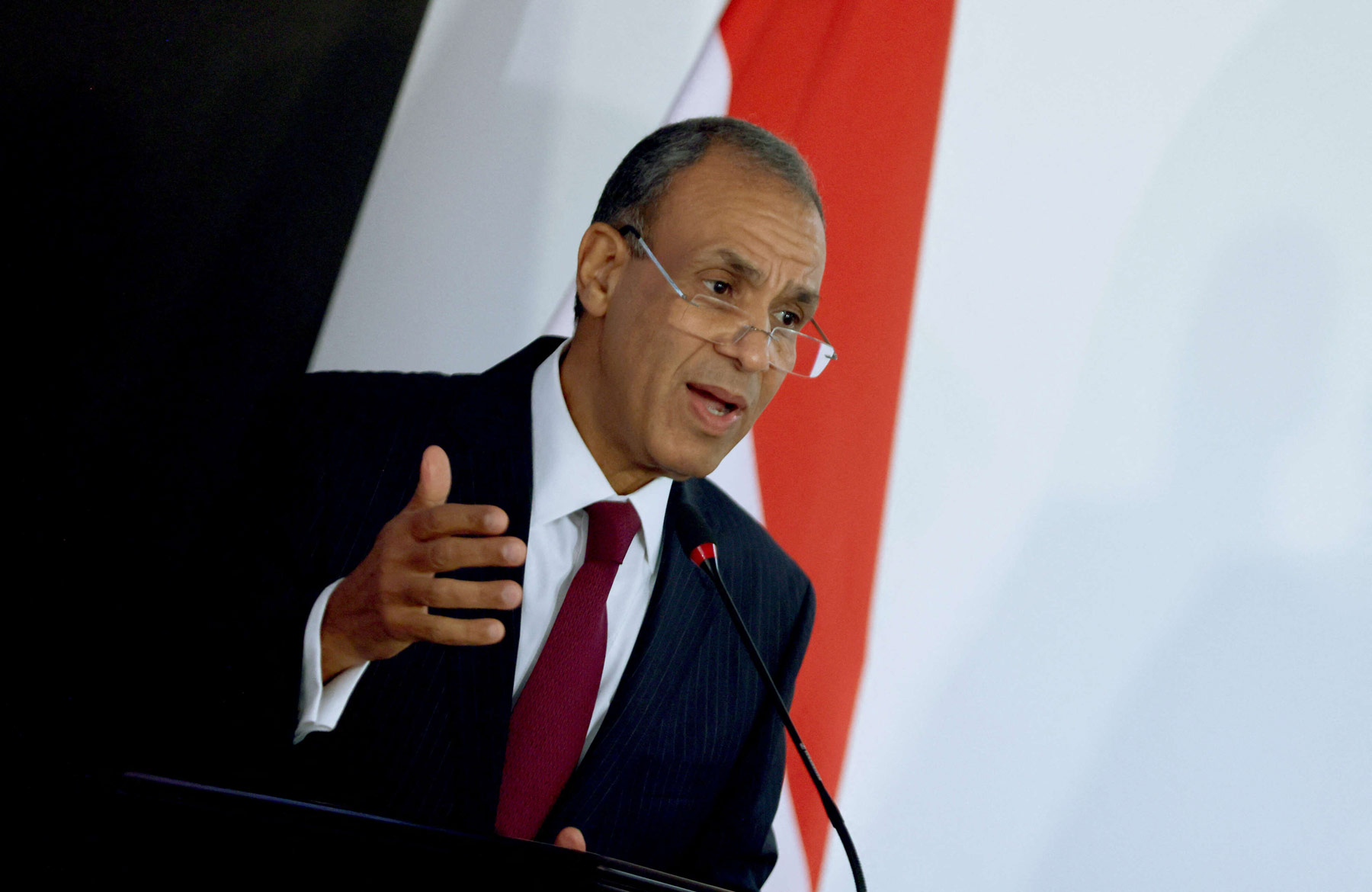
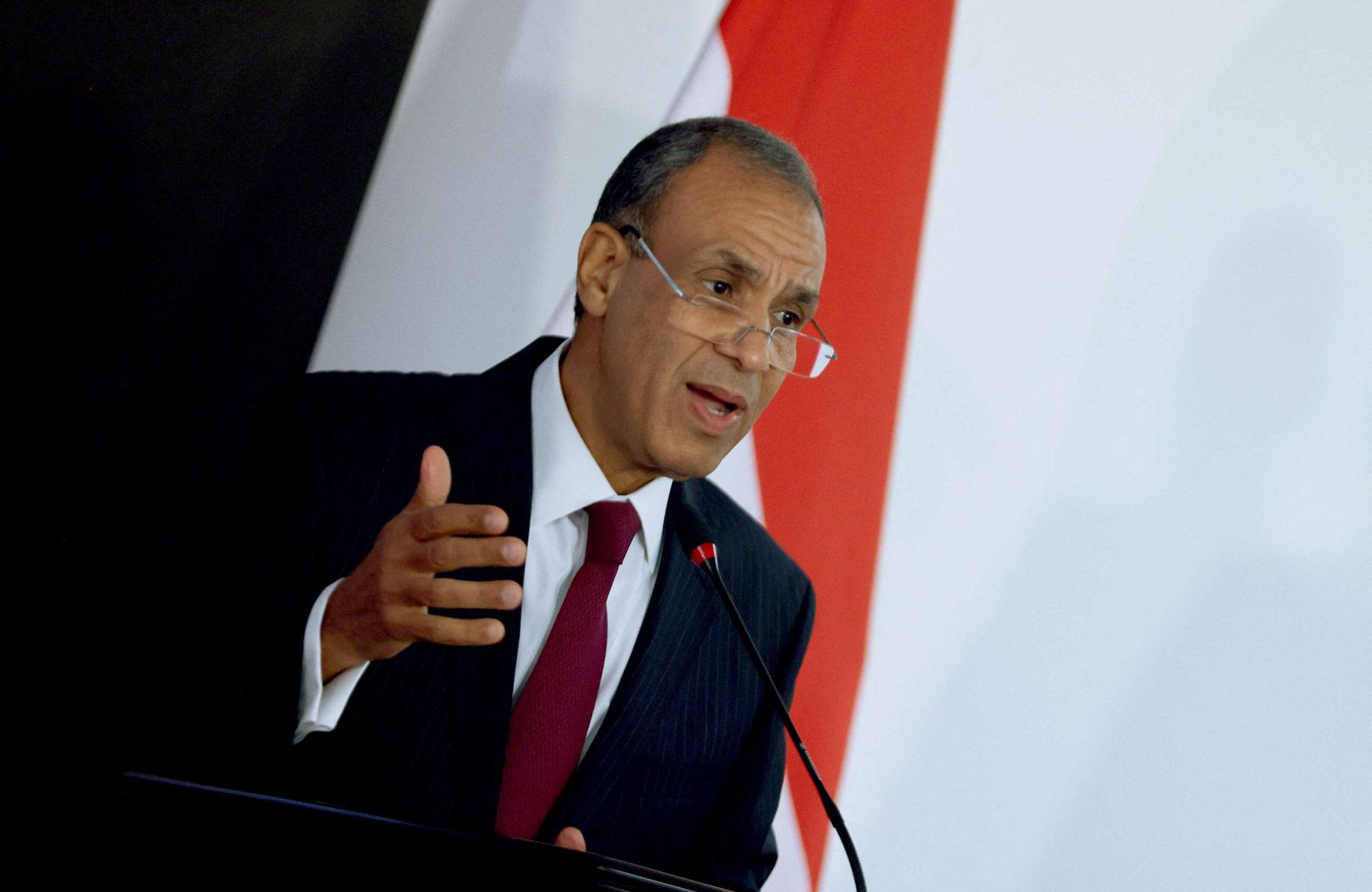
Foreign Minister Badr Abdelatty said that the legislation marked a "historic step" in strengthening Egypt's legal framework for asylum.
Friday 26/06/2026
A recalibration of relations between Egypt and the UN refugee agency
CAIRO – Egypt has unveiled what officials describe as a landmark overhaul of its asylum policy, adopting the country's first comprehensive law governing refugees and asylum seekers as Cairo seeks to shift responsibility for managing one of its most complex humanitarian files from a largely UN-led framework to a nationally administered system.
Foreign Minister Badr Abdelatty said on Thursday that the legislation marked a "historic step" in strengthening Egypt's legal framework for asylum, describing it as the first comprehensive national law regulating the status of refugees and asylum seekers in line with Egypt's regional and international obligations.
The law is widely seen as a major institutional shift in how Egypt intends to manage asylum, replacing a system that has long relied heavily on the United Nations High Commissioner for Refugees (UNHCR) with a clearer domestic legal framework defining refugees' legal status, residency arrangements, rights and obligations.
Speaking during talks in Cairo with UN High Commissioner for Refugees Barham Salih, Abdelatty said Egypt had coordinated closely with the UN agency throughout the drafting process to ensure a smooth transition from the existing UN-administered mechanism to a national system.
The minister stressed that the legislation reflected a broader government effort to modernise the management of asylum and migration while maintaining cooperation with international organisations on humanitarian issues.
The new law comes as Egypt hosts large numbers of refugees, asylum seekers and migrants fleeing conflicts across the Middle East and Africa, placing increasing pressure on public services and state finances.
Unlike several countries in the region, Egypt has long pursued a policy of integrating refugees into local communities rather than housing them in dedicated camps, allowing them access to healthcare and education alongside Egyptian citizens.
Officials say that approach has demonstrated Egypt's commitment to non-discrimination, but has also significantly increased the economic burden on the state amid prolonged regional crises and successive waves of displacement.
The legislation aims to provide a comprehensive legal basis for regulating refugees' status, clarifying residency procedures and defining the responsibilities of both the state and those residing in Egypt for humanitarian reasons.
Abdelatty also highlighted the importance of refugees regularising their legal status in accordance with Egyptian laws and regulations.
Officials argue that establishing a unified legal framework will improve long-term planning, resource management and service delivery while helping Egypt balance its international obligations with domestic administrative and financial realities.
The legislation also signals a recalibration of relations between Egypt and the UN refugee agency. Rather than directly administering major aspects of refugee affairs, the UNHCR is expected to work with Egyptian authorities through a joint migration and asylum platform focused on facilitating refugees' access to healthcare, education and other essential services.
Observers say the significance of the legislation extends beyond administrative reform. They view it as redefining the state's role from responding to refugee flows on an ad hoc basis to managing asylum through a structured legal and institutional framework designed to enhance transparency, clarify rights and responsibilities and strengthen long-term governance.
The move comes against a backdrop of growing regional and international pressure on refugee-hosting countries, many of which face mounting financial constraints, overstretched infrastructure and rising demand for public services.
Egypt has sought to present its model as one that combines humanitarian protection with social integration, while avoiding the establishment of refugee camps that have characterised responses elsewhere.
Analysts say the success of the new framework will ultimately depend on implementation, effective coordination between Egyptian institutions and international organisations, and the availability of sufficient resources to sustain services as displacement across the region continues.
The legislation therefore marks a significant milestone in Egypt's asylum policy, but also places the government under renewed pressure to translate its legal ambitions into practical measures capable of responding to an increasingly complex humanitarian and economic landscape.