

Militia challenge to dominate Zaidi's Washington visit
US sees progress in Iraq's efforts to curb armed factions
Baghdad has reportedly set the end of September as a target for integrating armed factions into state structures or completing their disarmament.
Friday 26/06/2026
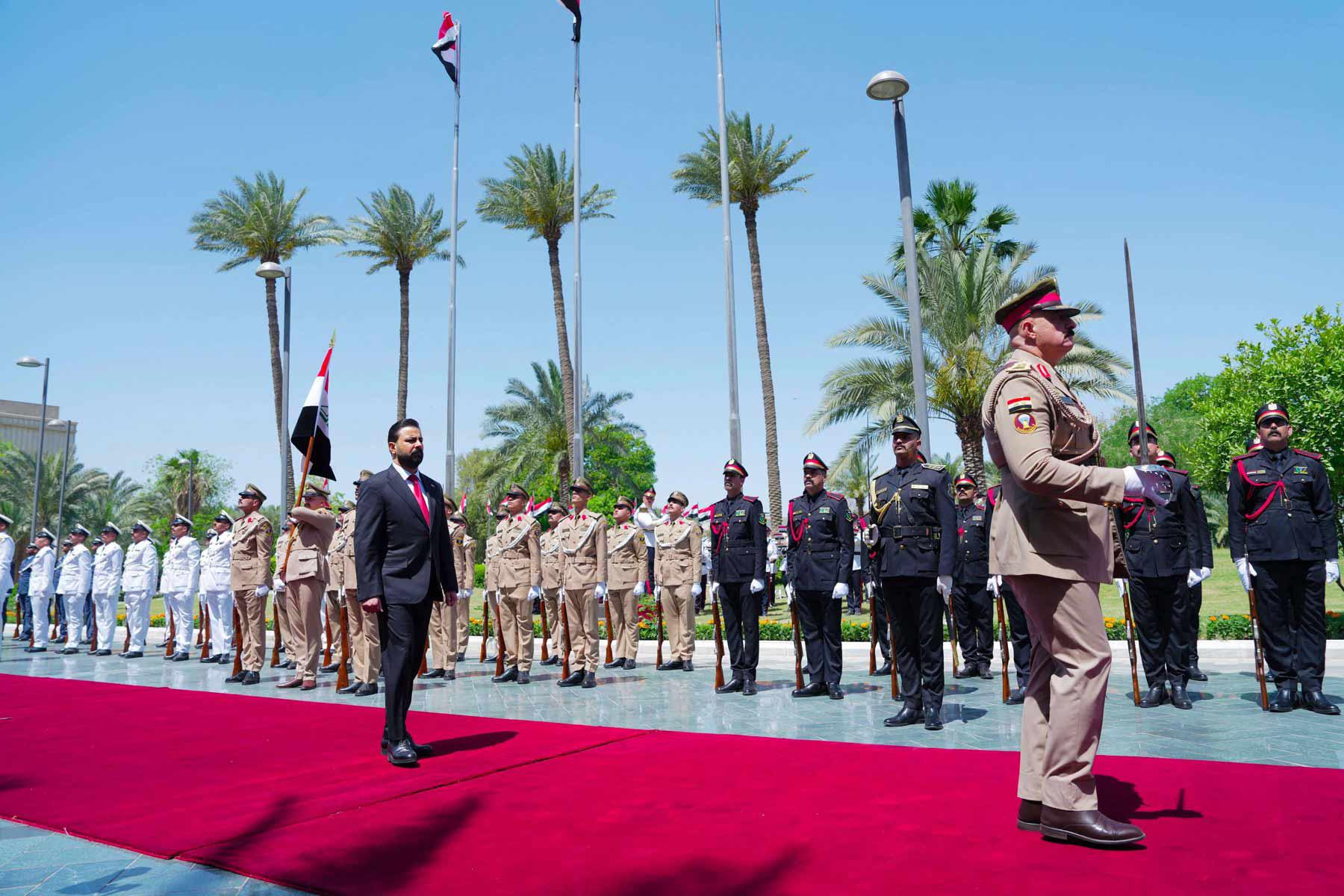
Militia challenge to dominate Zaidi's Washington visit
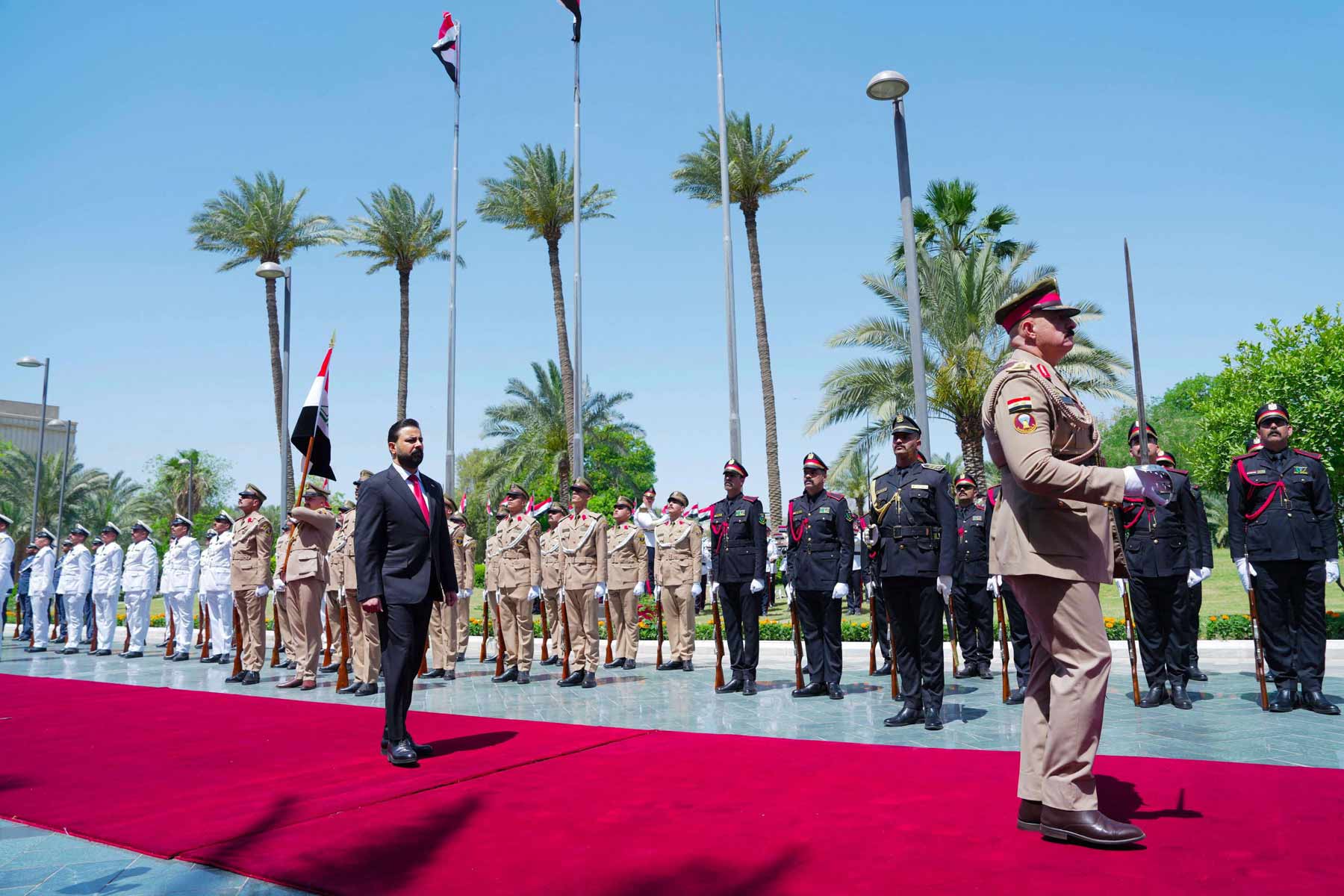
WASHINGTON – US Secretary of State Marco Rubio said on Thursday that Washington has received "positive and constructive signals" from Iraq's government over its efforts to address the country's armed factions, identifying Iraqi sovereignty and the drive to place all weapons under state authority as the central focus of Prime Minister Ali al-Zaidi's expected visit to Washington next month.
Speaking at a news conference in Bahrain's capital, Manama, Rubio said Iran's backing of armed groups remained one of the clearest manifestations of Tehran's interference in Iraqi affairs, but indicated that the administration had observed encouraging developments in the performance of Zaidi's government.
His remarks were widely interpreted as an endorsement of Baghdad's efforts to limit the role of armed groups operating outside the state's authority and strengthen the position of Iraq's official security institutions.
"We have received good, constructive signals," Rubio said, adding that the United States hoped to build on those developments through continued cooperation with Baghdad to reinforce Iraq's full sovereignty.
He said the issue would top the agenda when Zaidi visits Washington in mid-July, where the two sides are expected to discuss the future of bilateral security cooperation alongside broader political and economic ties.
Rubio also disclosed that Washington had recently held direct contacts with the Iraqi government, saying the administration believed Baghdad had taken positive steps despite the considerable challenges surrounding the issue of armed factions.
The United States, he added, would continue to monitor developments closely.
His comments come as Iraq attempts to strike a delicate balance between its regional and international relationships while pressing ahead with efforts to consolidate state authority and reduce the influence of armed groups operating outside official institutions.
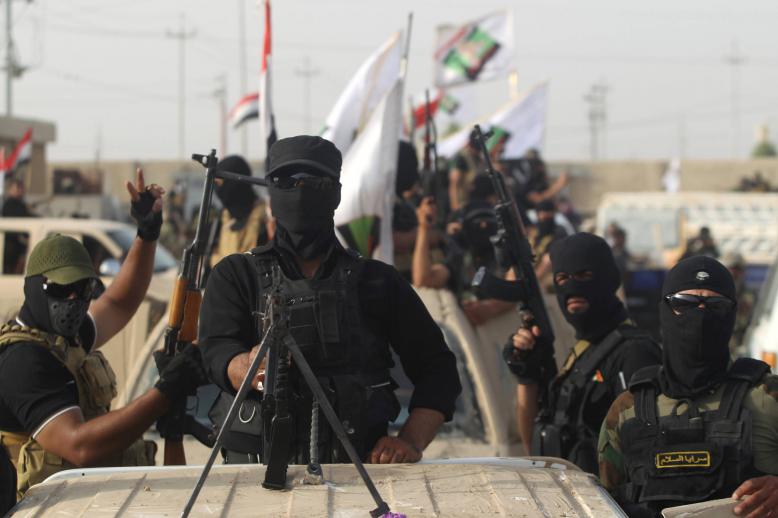
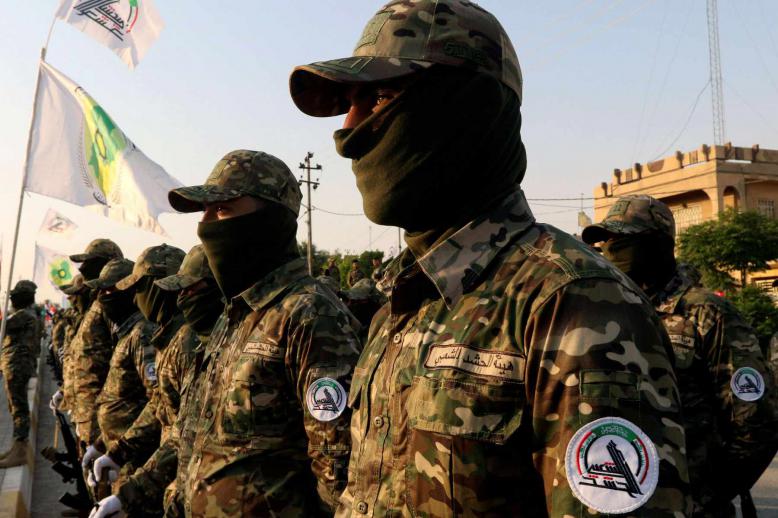
The Iraqi government has already begun implementing a programme aimed at bringing weapons under state control, starting with the transfer of facilities and arms belonging to Saraya Al-Salam, the military wing of cleric Muqtada Al-Sadr's Patriotic Shiite Movement.
Baghdad has reportedly set the end of September as a target for integrating armed factions into state structures or completing their disarmament.
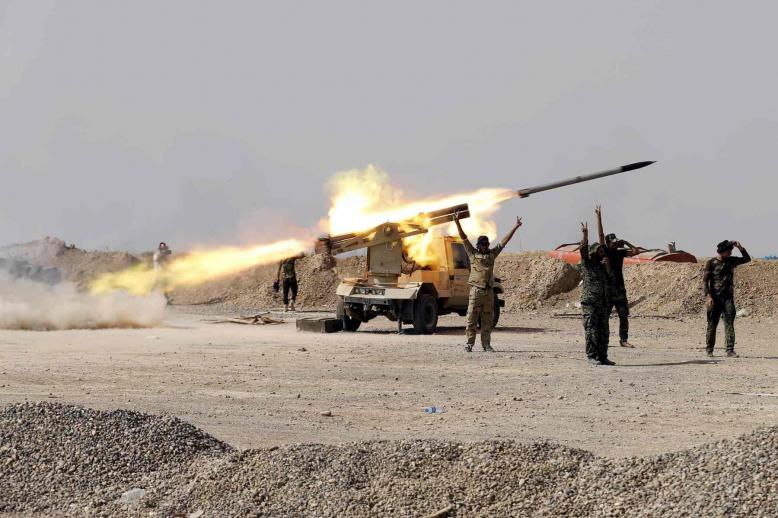
While some factions, including Asaib Ahl Al-Haq and Kataib Imam Ali, have indicated support for the initiative, two of Iraq's most powerful Iran-aligned groups, Kataib Hezbollah and Harakat Al-Nujaba, have rejected the timetable, insisting that any disarmament must coincide with the withdrawal of all foreign forces from Iraq under an existing agreement between Baghdad and the US-led coalition.
Rubio also pointed to Iran's continued support for armed groups across the region, including Hamas, Hezbollah and Yemen's Houthis, describing them as part of Tehran's broader strategy of projecting influence through proxy organisations.
He noted that ongoing negotiations with Iran also sought to curb the activities of those groups, although he declined to discuss Washington's contingency plans should diplomacy fail.
Despite Rubio's optimistic assessment, analysts say Zaidi's efforts to place all weapons under state control remain fraught with political and security challenges.
Iran has cultivated deep influence inside Iraq since the 2003 US-led invasion, developing extensive political, military and economic networks that successive Iraqi governments have struggled to contain.
For Tehran, Iraq represents a critical strategic buffer and a cornerstone of its regional security architecture, making any attempt to weaken Iran-aligned militias or reduce their external ties highly sensitive.
Over the past two decades Iraq has emerged as one of the principal arenas of US-Iran rivalry.
While Washington has focused on rebuilding Iraqi state institutions and maintaining security cooperation with Baghdad, Iran has entrenched its influence through a broad network of allied political movements and armed factions that remain powerful actors in the country's security landscape.
That competition has frequently turned Iraq into a battleground for broader regional tensions, with repeated cycles of militia attacks, retaliatory strikes and political crises reflecting the rivalry between Washington and Tehran.
Against that backdrop, observers say Zaidi's government faces the difficult task of strengthening the state's monopoly on the use of force while carefully managing relations with both powers to prevent Iraq from once again becoming the centre of a wider confrontation.
Al-Zaidi's Washington visit, scheduled for mid-July at the invitation of US President Donald Trump, is expected to focus on Iraq's weapons-control initiative, the future of US forces in the country, a revised framework for bilateral security cooperation and expanding economic ties between the two countries.